


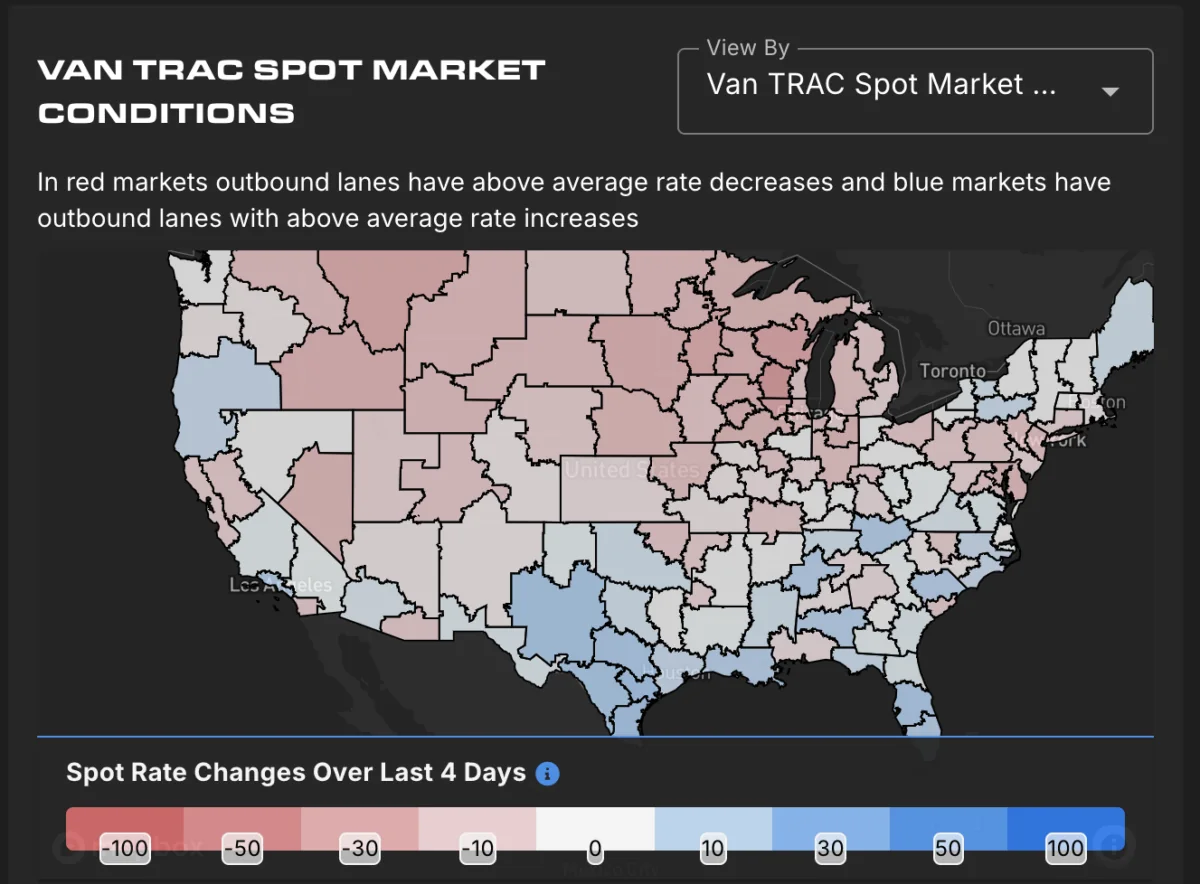
The price of crude oil has surged to over $100 per barrel, with diesel prices rising by 22 cents per gallon over the past week alone. This is a 75-plus percent increase in just 30 days, making it one of the fastest price shocks on record. The rapid rise in fuel costs is having a devastating impact on small carriers and owner-operators who are struggling to absorb the increases.
['The brutal winter of early 2026 created massive demand for heating oil across the Northeast, leaving diesel inventories thinner than normal when the price shock hit. This has resulted in a structural supply problem that existed before the conflict in Iran, with diesel prices now rising faster than crude and gasoline.', ['JP Morgan has framed the shift clearly: the market has moved from pricing in a theoretical geopolitical risk premium to dealing with tangible, operational supply disruptions - refinery shutdowns, export constraints, and shipping routes in active conflict zones. The diesel versus WTI crack spread has risen to approximately $70 per barrel, indicating a critically tight supply of refined product relative to demand.', ['Large carriers have systematic fuel surcharge schedules that automatically adjust with EIA published diesel prices every Monday. They built those schedules after 2008 and know exactly how to pass fuel cost increases through to shippers within days. However, small carriers do not have these protections in place and must absorb the increase in real time.', ['The breakeven impact deserves honest attention. If you have not calculated your cost per mile recently, this week is the week to do it. Fuel alone is not your only exposure here - tire prices, lubricants, and certain parts are petroleum-derived products that will also be affected by the surge in crude prices.', ["A fuel surcharge is not a favor you ask a shipper for during a crisis; it's a standard industry mechanism that exists specifically because fuel is a volatile input cost that neither carrier nor shipper can control. The EIA publishes national average diesel prices every Monday, and carriers must use this number as their reference point.", ['The conversation with shippers and brokers needs to happen now, not after diesel hits five dollars. Once you are in a rate environment where everyone is having that conversation at the same time, you are competing for surcharge recovery against every other carrier in the market simultaneously.', ["If you are running exclusively off load boards with no direct shipper relationships, this is the moment the load board can work against you. Brokers will be under pressure from shippers to keep rates contained even as fuel climbs. Some will hold; others won't. You need to know your floor - the rate below which you are physically losing money on the load after fuel.", ['The geopolitical situation adds an additional variable that makes this shock different from a domestic demand surge. If the Strait of Hormuz remains functionally disrupted, and if the Iran conflict extends rather than de-escalates quickly, this is not a two-week spike that normalizes. It is a multi-month structural shift in energy costs.', ['Plan for persistence, not a quick recovery. The current fuel shock will have far-reaching consequences for small carriers and owner-operators who must adapt to a new reality of rising fuel prices and uncertain market conditions.']]]]]]]]]
The current surge in fuel prices poses significant challenges for small carriers and owner-operators.


