

Germany's next-generation polar research ship, Polarstern, is set to be equipped with the largest battery ever installed on an ice class vessel. AYK Energy has secured a contract to supply this massive energy storage system, which will play a crucial role in enabling the vessel's advanced hybrid diesel-electric power architecture. The partnership between AYK Energy and Wärtsilä, the ship's builder, marks an important milestone in the development of more sustainable maritime operations.
The Pisces+ battery system, with a capacity of 16 megawatt-hours (MWh) and weighing 131 tonnes, will be delivered to Polarstern in 2028. This significant energy storage capability will enable peak shaving, load optimisation, and low emission operations during sensitive scientific work on board the vessel. The integration of battery power will also reduce the associated noise and vibration that can often interfere with research activities.
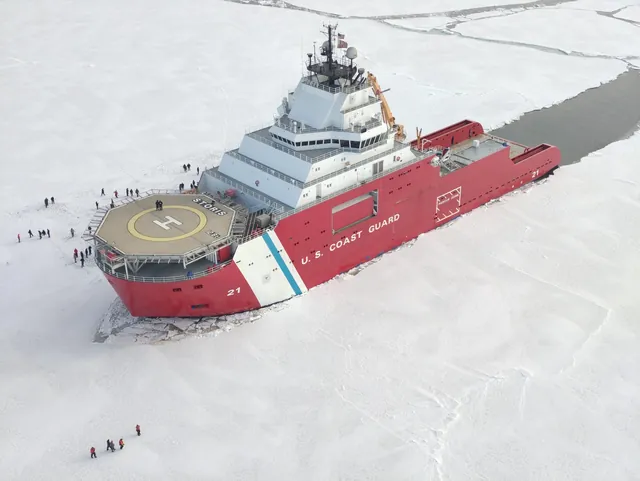
The Polarstern is designed to support year-round operations in the Arctic and Antarctic, including extended missions in heavy ice. This new flagship replaces Germany's existing polar research vessel and is expected to enter service in 2030. The vessel's advanced power architecture will enable it to operate in some of the harshest environments on Earth.
The hybrid diesel-electric power system will be designed to provide a balance between fuel efficiency and emissions reduction. By integrating battery power, the vessel can reduce its carbon footprint while maintaining its ability to support extended scientific missions. This technology has significant implications for the future of polar research and exploration.
AYK Energy's Pisces+ battery system is an important component of this new power architecture. The company's expertise in energy storage solutions will play a critical role in enabling the vessel to operate efficiently and sustainably in the polar environment. As the demand for sustainable maritime operations grows, companies like AYK Energy are well-positioned to meet this need.
The integration of battery power on ice-class vessels marks a significant shift towards more sustainable and efficient operations in the harsh polar environment. This technology will enable researchers to conduct longer, more complex missions without the limitations imposed by traditional fuel constraints. The long-term benefits of this technology will be felt across multiple sectors, from research and exploration to commercial shipping.
The Polarstern project represents a major investment in the development of sustainable maritime operations. As the world's oceans become increasingly important for global commerce and scientific research, companies like Wärtsilä and AYK Energy are working together to create more efficient, environmentally friendly vessels. This collaboration will help drive innovation in the industry and support the growth of sustainable shipping.
The delivery of the Pisces+ battery system in 2028 will be followed by the vessel's entry into service in 2030. As Polarstern begins its operations, it will serve as a flagship for Germany's commitment to sustainable research and exploration. The vessel's advanced power architecture and energy storage capabilities will enable it to make significant contributions to our understanding of the polar environment.
The integration of battery power on ice-class vessels is an important step towards reducing greenhouse gas emissions from maritime operations. As the industry continues to evolve, we can expect to see more vessels equipped with similar technology. The success of projects like Polarstern will help drive innovation and support the growth of sustainable shipping.
The integration of battery power on ice-class vessels marks a significant shift towards more sustainable and efficient operations in the harsh polar environment.