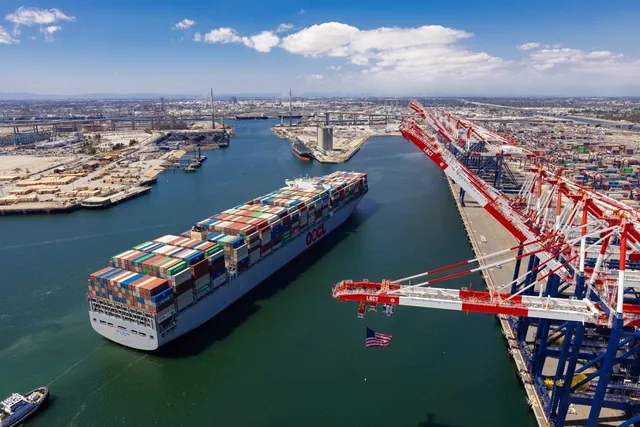
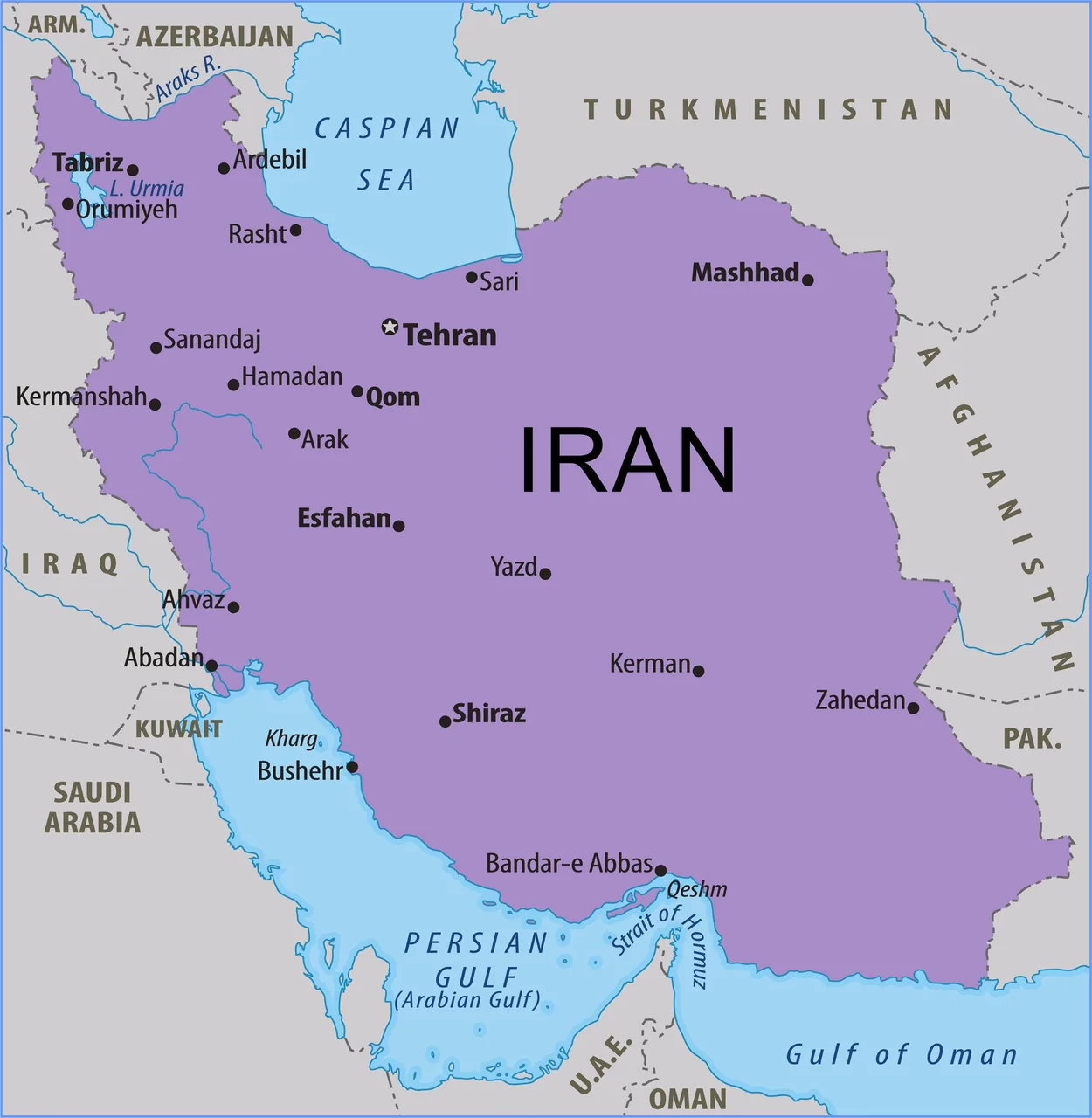
Despite ongoing tensions between Iran and its adversaries, a Greek-operated oil tanker has successfully navigated through the Strait of Hormuz, according to ship tracking data. The Shenlong Suezmax, with a capacity of 1 million barrels, is carrying Saudi Arabian crude loaded at the port of Ras Tanura and is listed as heading for the Indian port of Mumbai. This development comes as hundreds of ships remain anchored on both sides of the waterway, awaiting any sign that sailings might pick up through the narrow corridor, which handles a significant share of global crude flows. The tanker's voyage marks a notable instance of commercial vessels attempting to traverse the vital passage despite the heightened tensions in the region.
The Strait of Hormuz is one of the world's key oil transit chokepoints, carrying roughly a fifth of global oil and liquefied natural gas flows. Oil prices have surged to more than $119 a barrel on Monday, hitting levels not seen since mid-2022 as some Gulf producers cut supplies and fears of prolonged shipping disruption gripped the market. This volatility is largely driven by concerns over the security of maritime trade in the region.
A senior official with Iran's Revolutionary Guards has stated that the strait is closed and Iran will fire on any ship trying to pass, Iranian media reported last week. However, this assertion appears to be at odds with the recent sighting of the Shenlong Suezmax navigating through the strait. The situation remains fluid, with many ships turning off their AIS ship tracking transponders before crossing the strait.
The International Maritime Organization's Secretary-General, Arsenio Dominguez, has emphasized the importance of respecting freedom of navigation. He also expressed grave concern regarding recent attacks on merchant vessels in the region of the Strait of Hormuz. This sentiment is echoed by many in the industry, who are closely watching the situation for any signs of escalation.
The Shenlong sailing follows a separate voyage by the Pola, another vessel managed by Dynacom, which crossed through Hormuz last week to load a crude cargo at a port in the United Arab Emirates. The vessel was anchored within the UAE's exclusive economic zone, which extends up to 24 miles and beyond local territorial limits of 12 nautical miles.
A shipping source familiar with the matter stated that according to tracking data, many ships were turning off their AIS ship tracking transponders before crossing the strait, including Dynacom vessels. This trend suggests a commercial response to uncertainty rather than any formal restriction on transit.
Despite the tensions in the region, navigation through the corridor remains open, but activity may continue at reduced levels as shipping companies adapt to the prevailing security and insurance environment. The situation reflects a commercial response to uncertainty rather than any formal restriction on transit.
At least five tankers laden with around 11 million barrels of crude have left Iranian ports since airstrikes on Iran began on February 28, with liquefied petroleum gas supplies also moving, ship trackers and traders said on Friday. Four separate supertankers arrived in waters around Singapore on Monday after sailing from Iran before February 28.
The recent developments highlight the complexities and uncertainties of maritime trade in the region. As the situation continues to evolve, it is essential for all parties involved to prioritize the safety and security of vessels navigating through the Strait of Hormuz.
The International Maritime Organization's Secretary-General highlighted the importance of respecting freedom of navigation, but also expressed grave concern over recent attacks on merchant vessels in the region.