

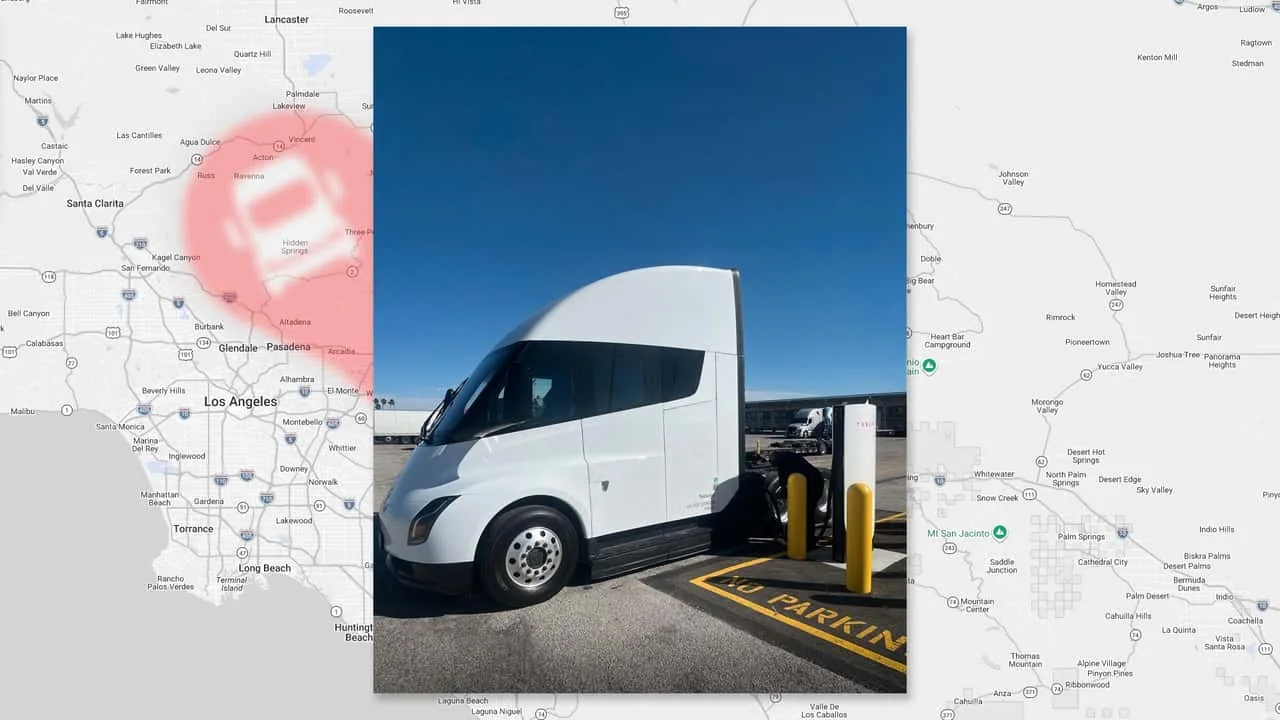
Tesla has made a significant step forward in its efforts to expand its Supercharger network by opening its first semi-truck Megacharger station, located near Los Angeles. This new charging infrastructure is specifically designed for Tesla's Semi electric trucks and marks an important milestone in the company's plans to support long-haul trucking operations. The Megacharger station is not located at a traditional Tesla factory, but rather as a standalone facility catering to the needs of semi-truck owners. This move indicates Tesla's commitment to providing convenient and efficient charging solutions for its customers. By expanding its charging infrastructure, Tesla aims to reduce range anxiety and make long-haul trucking more sustainable.
The new Megacharger station is capable of delivering up to 350 kW of power, allowing semi-trucks to charge at a rate that is significantly faster than traditional charging stations. This rapid charging capability will enable Tesla's Semi trucks to travel longer distances without needing to refuel, reducing the environmental impact of trucking operations. With this new charging infrastructure in place, Tesla is well-positioned to support the growing demand for electric vehicles in the trucking industry. The company's efforts to expand its Supercharger network are likely to have a positive impact on the adoption of electric trucks, making them more attractive to fleets and individual owners alike.
Tesla's decision to locate the Megacharger station near Los Angeles is likely driven by the region's high volume of truck traffic and the presence of major logistics hubs. By catering to the needs of semi-truck owners in this region, Tesla is able to provide a convenient and efficient charging solution that meets the unique demands of long-haul trucking operations. This strategic location also enables Tesla to expand its reach into new markets and attract more customers to its Semi electric trucks.
The opening of the Megacharger station marks an important step forward for Tesla's Supercharger network, which has been expanding rapidly in recent years. As the company continues to invest in its charging infrastructure, it is likely that we will see even faster growth in the adoption of electric vehicles in the trucking industry. With its commitment to providing convenient and efficient charging solutions, Tesla is well-positioned to play a leading role in the transition to sustainable transportation.
While the Megacharger station is specifically designed for Tesla's Semi trucks, it is likely that other manufacturers will take note of the company's efforts to expand its charging infrastructure. As the demand for electric vehicles continues to grow, companies are increasingly looking for ways to support the adoption of sustainable transportation solutions. The opening of the Megacharger station demonstrates Tesla's leadership in this area and sets a high standard for the industry.
The expansion of Tesla's Supercharger network has significant implications for the trucking industry as a whole. As more manufacturers enter the market with electric vehicles, companies will need to invest heavily in charging infrastructure to support their customers' needs. The opening of the Megacharger station marks an important step forward in this process, and it is likely that we will see even more investment in charging infrastructure in the coming years.
In addition to its environmental benefits, the expansion of Tesla's Supercharger network also has significant economic implications. By reducing range anxiety and making long-haul trucking more sustainable, Tesla can help reduce fuel costs for fleets and individual owners alike. This can lead to significant cost savings and improved profitability for companies operating in the trucking industry.
As the demand for electric vehicles continues to grow, it is likely that we will see even more investment in charging infrastructure from manufacturers like Tesla. The company's commitment to providing convenient and efficient charging solutions sets a high standard for the industry, and its efforts are likely to have a positive impact on the adoption of sustainable transportation solutions.