
The United States is considering easing oil sanctions on Russia as part of efforts to curb spiking global oil prices amid the Iran conflict. This move would aim to stabilize the oil market and mitigate the impact of rising fuel costs on U.S. businesses and consumers ahead of the November midterm elections. The White House has expressed concerns that the surge in oil prices could hurt the economy, particularly if it affects transportation and consumer prices. With the U.S. and Israeli strikes on Iran continuing, global crude oil prices have hit levels not seen since mid-2022, briefly touching $119 a barrel on Monday.
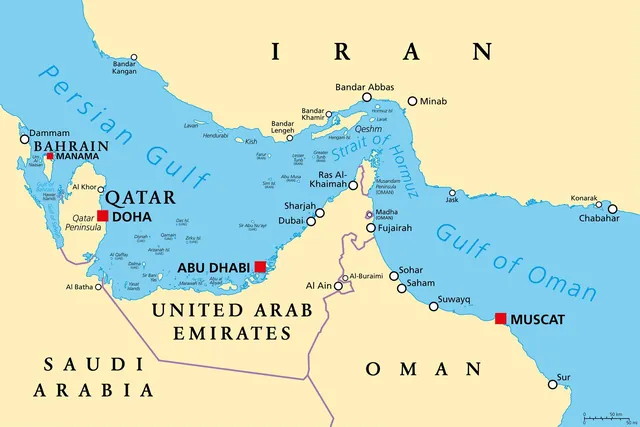
The deliberations reflect White House worries that the surge in oil prices will have a significant impact on the economy, particularly if it affects transportation and consumer prices. The White House has few meaningful tools to quickly curb rising oil prices unless authorities can restore the flow of tankers through the Strait of Hormuz, the narrow waterway between Iran and Oman that carries roughly a fifth of the world's oil supply. Analysts have said that restoring this flow is crucial to easing pressure on crude and gasoline prices.
The U.S. last week had already issued a temporary waiver allowing India to purchase certain Russian oil cargoes to help it cope with the loss of Middle Eastern supply. This move suggests that the White House is exploring options to ease sanctions on Russia, potentially boosting world supplies of oil at a time of massive disruptions to Middle East shipments from the expanding Iran conflict.
Easing sanctions on Russia would also have implications for U.S. efforts to deprive Russia of revenue for its war in Ukraine. The White House has been exploring various policy options, including intervening in oil futures markets, waiving some federal taxes and lifting requirements under the Jones Act, a law that mandates domestic fuel move only on U.S.-flagged ships.
The easing of sanctions on Russia could have significant implications for the global oil market, potentially boosting supplies at a time of major disruptions to Middle East shipments. However, it is also possible that this move could complicate U.S. efforts to deprive Russia of revenue for its war in Ukraine.
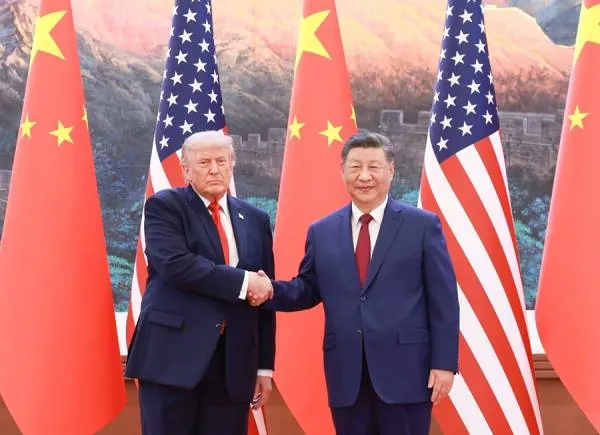
Trump has said that his administration is lifting sanctions on some countries as part of efforts to stabilize the oil market, but declined to provide details. The White House has expressed concerns that the surge in oil prices could hurt the economy, particularly if it affects transportation and consumer prices.
The turmoil in energy markets comes at a sensitive moment for Trump, who has sought to keep fuel prices low as a cornerstone of his economic message to voters. A prolonged spike in oil and gasoline costs could ripple through the broader economy, raising transportation and consumer prices.
Trump has downplayed the price spike, saying that the surge will be temporary and 'is a very small price to pay for U.S.A.' However, analysts have warned that the longer-term impact of the war on Iran could be lower prices for American consumers.
The deliberations involve top White House officials, including White House Chief of Staff Susie Wiles and top adviser Stephen Miller. The sources said that the options being explored include broad relief or more targeted options that would allow certain countries to buy Russian oil without fear of U.S. penalties.
The easing of sanctions on Russia could have significant implications for the global oil market, potentially boosting supplies at a time of major disruptions to Middle East shipments.