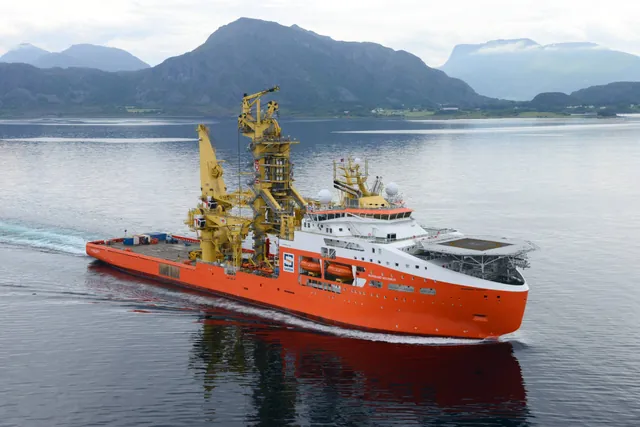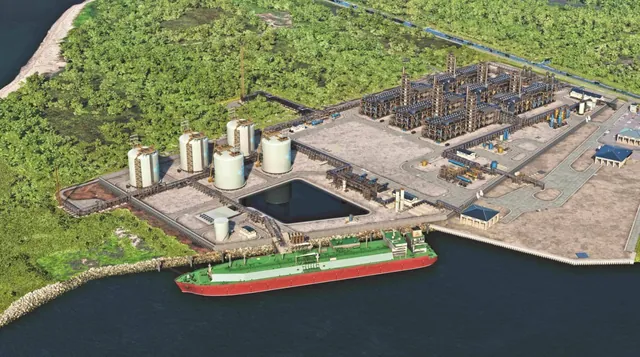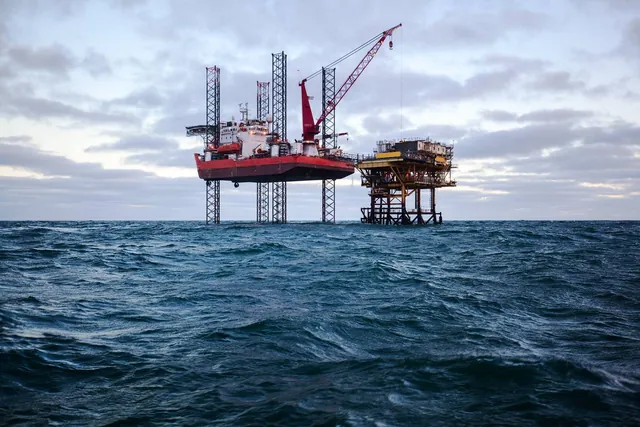
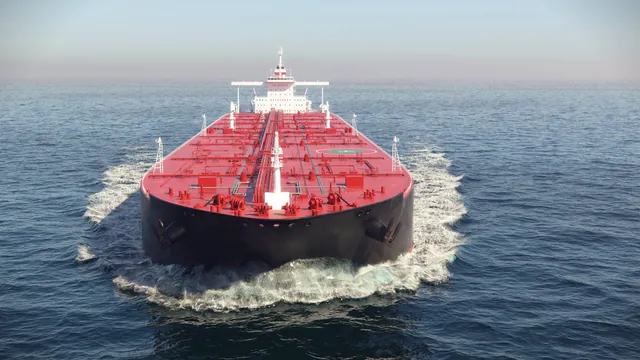
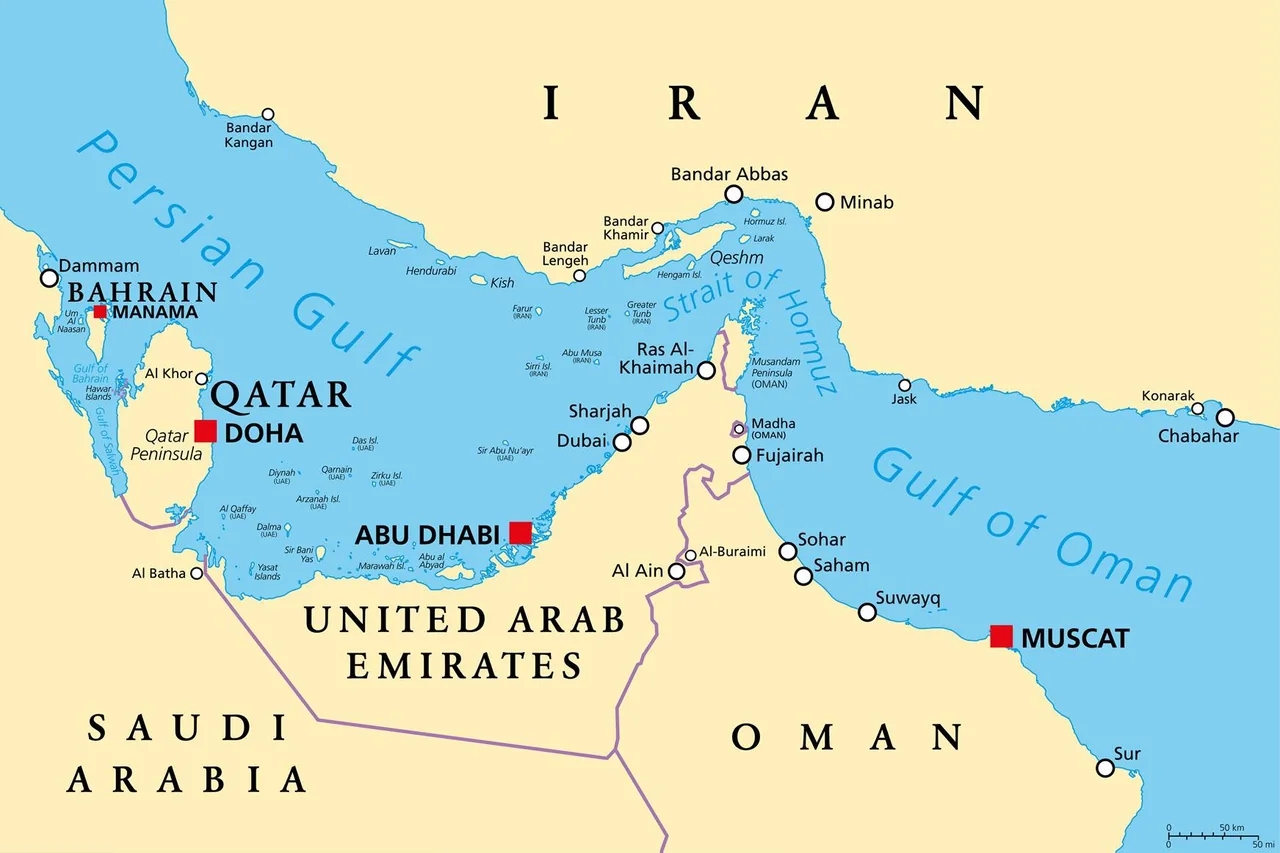
The Strait of Hormuz, a vital waterway for global oil and liquefied natural gas flows, has become a focal point in the escalating crisis in the Middle East. The strategic location of the strait makes it a crucial chokepoint for international shipping, with hundreds of vessels currently anchored on both sides. This has resulted in significant disruptions to the global energy market, as oil exports through the strait have been halted. The situation is being closely watched by industry experts and traders, who are eager for any sign that sailings might resume through the narrow corridor.
Iran's Revolutionary Guards have issued a statement asserting their authority over the strait, stating that countries that expel US and Israeli envoys from their territory will be granted full freedom to pass through. This move is seen as a significant escalation of tensions in the region, with far-reaching implications for global energy security. The statement has been widely reported by Iranian state media, which has further fueled concerns about the stability of the region.
The crisis in the Middle East has already had a profound impact on shipping and energy markets, with many vessels forced to alter their routes or wait out the tensions. The halt in oil exports through the strait has resulted in significant price volatility, as traders scramble to adjust to the new reality. Industry experts are warning of potential long-term consequences for global economic growth, if the situation is not resolved soon.
The Strait of Hormuz is a critical component of the global energy supply chain, with over 17 million barrels of oil passing through it every day. The strait's narrow width and strategic location make it an attractive target for saboteurs and militant groups seeking to disrupt international shipping. The current tensions have already resulted in significant disruptions to the flow of goods, with many vessels forced to wait out the crisis.
The situation is being closely monitored by governments and industry experts around the world, who are seeking a resolution to the crisis that will restore stability to the region. Diplomatic efforts are currently underway, as countries seek to de-escalate tensions and find a peaceful solution to the conflict. However, time is of the essence, as the longer the situation remains unresolved, the greater the risk of long-term damage to global energy markets.
The impact of the crisis on the global economy will be felt far beyond the Middle East, with many countries relying on oil imports from the region. The price volatility caused by the halt in oil exports has already resulted in significant increases in fuel prices, which could have a profound impact on consumer spending and economic growth. Industry experts are warning that the situation is at risk of spiraling out of control if not addressed soon.
As the standoff continues, industry experts are urging caution and restraint from all parties involved. The long-term consequences of the crisis will be far-reaching and devastating for global energy markets, making it essential that diplomatic efforts focus on finding a peaceful resolution to the conflict. Any further escalation of tensions could result in catastrophic consequences for the global economy.
The international community is holding its breath as the situation in the Strait of Hormuz continues to unfold. The world's top oil-producing countries are watching the crisis with great interest, as they seek to mitigate the impact on global energy markets. The fate of the region hangs in the balance, and it remains to be seen whether diplomatic efforts will succeed in resolving the crisis peacefully.