
Saudi Arabia's Aramco, the world's top oil exporter, has warned that the ongoing Iran war is threatening global oil supplies and sparking concerns about the potential collapse of the global economy. The company's CEO, Amin Nasser, stated that there would be catastrophic consequences for the world's oil markets if the disruption continues, with the longer the crisis lasts leading to more drastic economic repercussions.
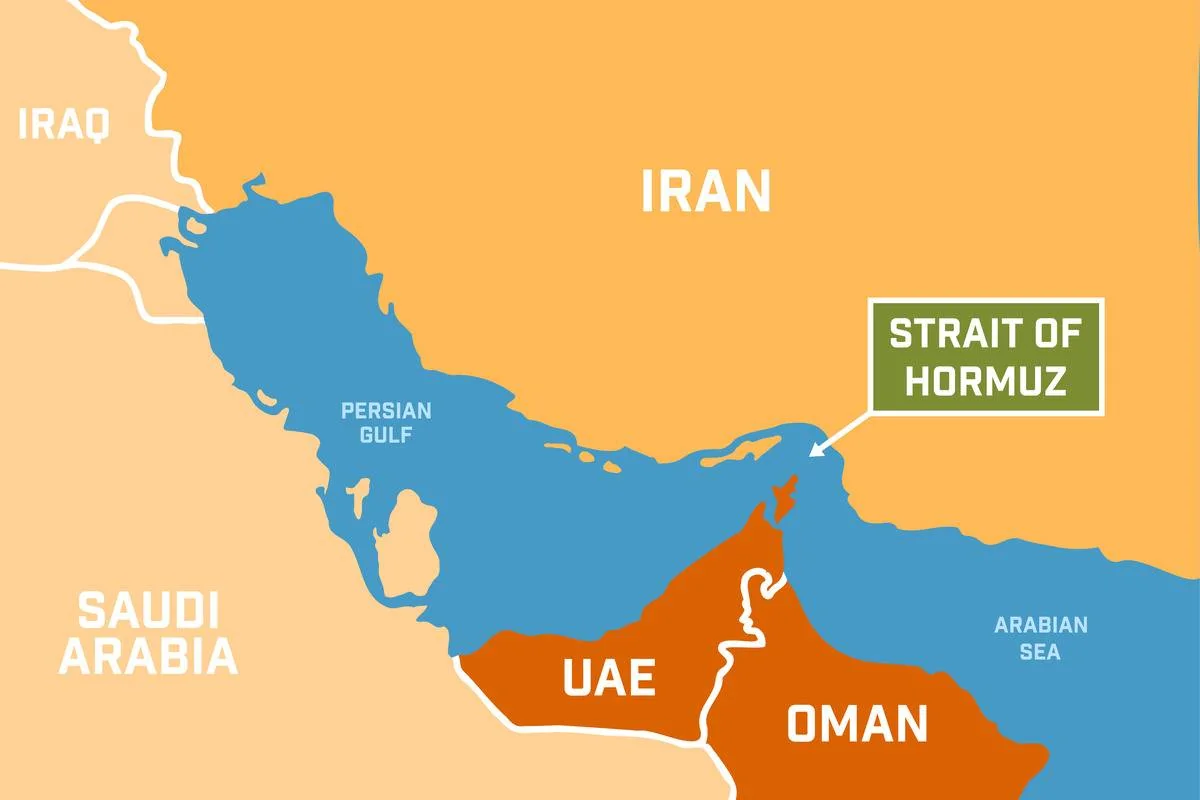
The Strait of Hormuz, a critical shipping artery, has seen its oil shipments largely blocked due to the ongoing tensions between Iran and the US. Normally, around 20% of the world's daily oil would pass through this region, but the current blockade is causing significant disruptions to the global energy supply chain.
Aramco's CEO emphasized that while the company has faced disruptions in the past, this crisis is by far the biggest challenge the region's oil and gas industry has ever seen. The company's operations are currently being severely impacted due to the lack of shipping through the Strait of Hormuz.
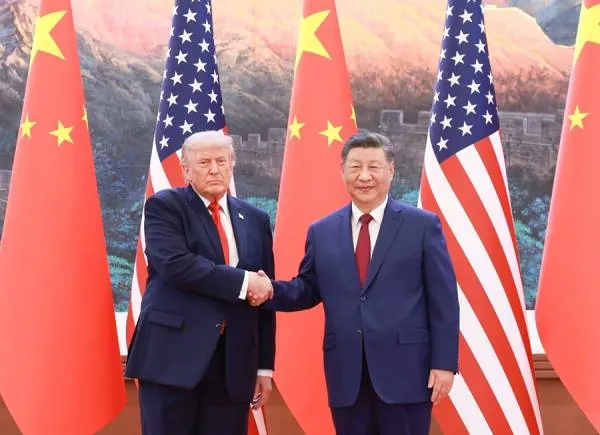
The crisis extends beyond the shipping sector, with potential effects on various industries such as aviation, agriculture, automotive, and more. This is because the global crude benchmark Brent LCOc1 rocketed to a three-year high of nearly $120 a barrel following comments by US President Donald Trump predicting an end to the war soon.
However, it's unclear whether Trump's claims about the US Navy escorting ships in the Gulf can guarantee safe passage. The Navy's capacity to do so is uncertain, with some vessels engaged in carrying out strikes against Iran and shooting down its missiles.
The lack of exports from the Gulf region due to the blockade has led to a significant drop in global inventories of oil. This will result in drawdowns at an accelerated rate, according to Aramco's CEO, who emphasized the need for shipping in the Strait of Hormuz to resume.
Currently, Aramco is not exporting oil from the Gulf due to the blockade, but the company is meeting most of its customers' needs through alternative means. The East-West pipeline is being used to transport crude grades to the Red Sea port of Yanbu, which is expected to reach its full capacity soon.
Aramco's CEO also noted that the company can direct crude towards domestic demand in times of crisis. This includes the use of the East-West pipeline and the company's ability to restart its refineries.
The recent attack on Aramco's Ras Tanura refinery was quickly extinguished, but the incident highlights the risks faced by the oil industry in the region. The refinery is currently undergoing a restart process.
In response to the crisis, Aramco has announced plans to repurchase up to $3 billion worth of shares in its first-ever buyback. This move aims to boost investor confidence and stabilize the company's financial position.
The world's oil markets are facing a catastrophic scenario if the Iran war continues to disrupt shipping in the Strait of Hormuz, with far-reaching consequences for various industries.