
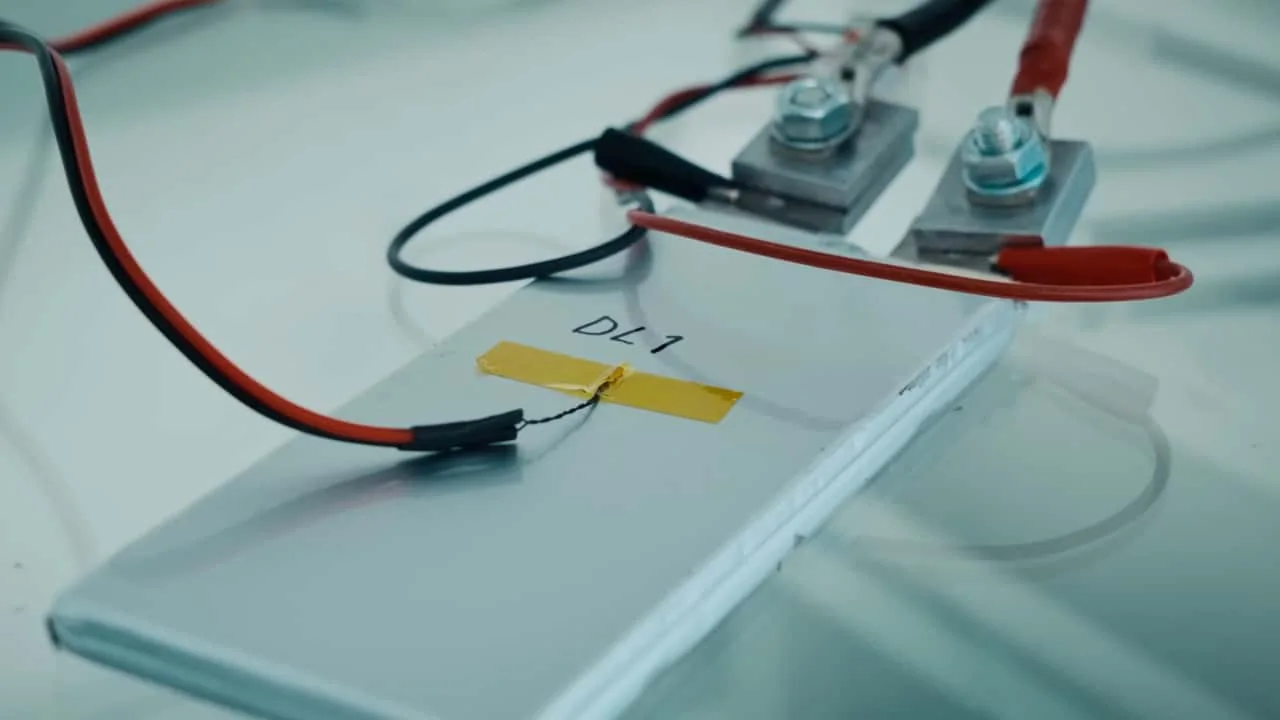
Donut Lab, a startup focused on advancing battery technology, has recently conducted its third test to evaluate whether its solid-state battery is actually a supercapacitor. This latest test aims to provide clarity on the capabilities and limitations of Donut Lab's innovative battery design. The results of this experiment are crucial in understanding the potential impact of solid-state batteries on the automotive industry. Solid-state batteries have been touted as a game-changer for electric vehicles, offering improved safety, energy density, and charging speeds. However, some experts have questioned whether these batteries truly possess supercapacitor-like properties.
A supercapacitor is a device that stores electrical energy through electrostatic double-layer capacitance and electrochemical pseudocapacitance. It can release this energy quickly and efficiently, making it an attractive option for applications requiring rapid charging and discharging. In contrast, traditional batteries rely on chemical reactions to store energy, which can lead to reduced performance and lifespan over time. The distinction between a battery and supercapacitor is critical in understanding the unique benefits and drawbacks of Donut Lab's solid-state design.
The third test conducted by Donut Lab involved evaluating the battery's ability to rapidly charge and discharge. This assessment aimed to determine whether the solid-state battery could meet the demands of high-power applications, such as those found in electric vehicles. The results of this test were inconclusive, with the battery demonstrating neither exceptional rapid charging capabilities nor supercapacitor-like performance.
Despite the lackluster results, Donut Lab's solid-state battery still shows promise for various applications beyond high-power use cases. Its improved safety features and potential for increased energy density make it an attractive option for more conventional electric vehicle designs. However, the company must continue to refine its technology in order to meet the expectations of the rapidly evolving automotive industry.
As the demand for sustainable energy solutions continues to grow, the development of innovative battery technologies like Donut Lab's solid-state design is crucial. The ability to improve energy efficiency, reduce emissions, and enhance overall performance will be key factors in shaping the future of transportation. However, it is essential that these advancements are grounded in a thorough understanding of their capabilities and limitations.
The automotive industry is currently navigating a complex landscape of technological advancements, from autonomous driving systems to advanced battery designs. As companies like Donut Lab continue to push the boundaries of what is possible with solid-state batteries, it is essential to separate fact from fiction and understand the true potential of these innovative technologies.
While Donut Lab's latest test results may have been inconclusive, they do highlight the ongoing need for rigorous testing and validation in the development of new battery technologies. The company must continue to invest in research and development in order to refine its design and meet the evolving demands of the automotive industry.
As the industry continues to grapple with the challenges and opportunities presented by solid-state batteries, it is essential that companies prioritize transparency and open communication about their technology's capabilities and limitations. This will help to build trust among stakeholders and facilitate a more informed discussion around the potential impact of these innovative technologies.
Ultimately, Donut Lab's latest test serves as a reminder that the development of advanced battery technologies is an iterative process that requires ongoing testing, refinement, and validation. As the company moves forward with its research and development efforts, it is crucial that they remain committed to transparency and open communication about their progress.
As the automotive industry shifts towards more sustainable energy solutions, the development of solid-state batteries is gaining significant attention.