
Hyundai has been testing an unidentified electric SUV, which is believed to be the IONIQ 1. The Korean automaker is already working on its first compact EV under the IONIQ lineup, the IONIQ 3, but it's not waiting for that launch before introducing a smaller model. This move suggests Hyundai wants to expand its electric offerings and gain a foothold in the market sooner rather than later. By testing this new SUV, Hyundai is likely trying to gauge consumer demand and gather feedback from potential customers. The test results will also provide valuable insights into the performance, range, and overall user experience of the IONIQ 1. As the automotive industry continues to shift towards electrification, companies like Hyundai are well-positioned to capitalize on this trend and reap significant benefits in terms of sales and revenue. However, the competition is fierce, and the success of the IONIQ 1 will depend on its ability to stand out from other electric SUVs in the market. With so many manufacturers vying for attention, it's crucial that Hyundai gets the IONIQ 1 right to avoid being left behind. The company's strategy should focus on delivering a compelling product that meets the needs of environmentally conscious consumers and tech-savvy buyers alike.
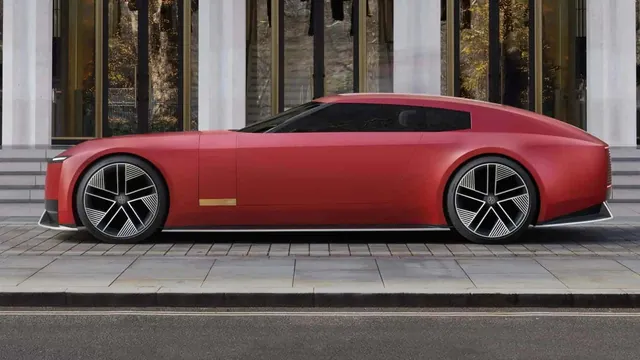
The spy photos released by Chinese media outlet Autohome show the prototype with an upright, boxy SUV-like design, which is quite different from the IONIQ 3. The IONIQ 3 features Hyundai's new Aero Hatch design with a low-riding, fastback silhouette. While the test vehicle was spotted on Indian roads, another mysterious Hyundai SUV that looks nearly identical was recently caught testing in Korea, also believed to be the IONIQ 1. This suggests that Hyundai is taking a cautious approach by testing multiple versions of the same vehicle before making any final decisions. The use of different test tags, such as 'ME' and 'NE,' for previous electric vehicles like the IONIQ 5 and IONIQ 9, indicates that Hyundai is using a standardized naming system to identify its EVs. However, the 'HE1' tag on the new prototype implies that it's based on an even more advanced platform than those used in the IONIQ 3 and other previous models.
The design elements borrowed from the IONIQ 3, such as split headlights and a ducktail spoiler, suggest that Hyundai is trying to create a cohesive brand identity across its electric lineup. However, some critics argue that this approach can lead to a lack of innovation and differentiation in the market. On the other hand, by leveraging familiar design cues from successful models like the IONIQ 3, Hyundai can build on its strengths and appeal to customers who are already familiar with the brand's aesthetic. The use of similar design elements also implies that Hyundai is trying to create a sense of continuity between its different electric models.
The test vehicle was spotted driving on public roads, which suggests that Hyundai is testing the IONIQ 1 in real-world conditions. While it's still too early to confirm, the fact that all the vehicles seen were electric indicates that Hyundai is taking a serious approach to electrification. The company's decision to focus on electric powertrains is likely driven by consumer demand and government regulations aimed at reducing greenhouse gas emissions. As consumers become increasingly environmentally conscious, companies like Hyundai need to respond by offering sustainable products that meet their needs. In this context, the IONIQ 1 represents an important step towards Hyundai's goal of becoming a leader in the electric vehicle market.
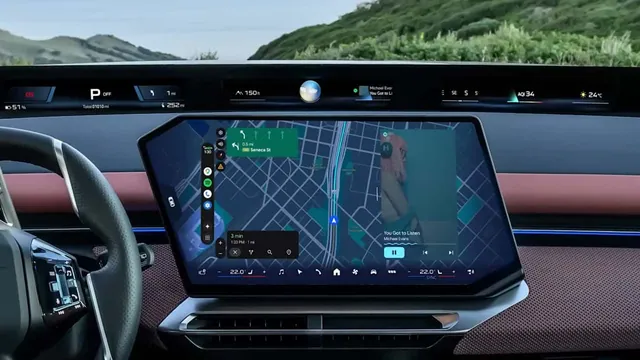
The interior of the test vehicle was briefly captured, showing Hyundai's new Pleos infotainment system, which is set to debut with the IONIQ 3 and future EVs. The use of advanced technology like this suggests that Hyundai is committed to delivering high-quality products that meet the expectations of its customers. However, the lack of information about the IONIQ 1's specifications, range, and pricing means that there's still much to be revealed before the vehicle launches. As the market becomes increasingly competitive, companies need to provide detailed product information to build trust with their customers. In this case, Hyundai needs to clarify what makes the IONIQ 1 unique and how it compares to other electric SUVs in the market.
The fact that the IONIQ 3 will make its global debut in April suggests that Hyundai is planning a major launch event. However, the company's decision to test the IONIQ 1 before the official launch implies that it wants to gauge consumer interest and gather feedback from potential customers. This approach can help Hyundai refine its product and build momentum for the IONIQ 3. On the other hand, testing an electric vehicle like the IONIQ 1 in public can also raise concerns about safety and regulatory compliance. As companies like Hyundai navigate these challenges, they need to balance their desire to innovate with their responsibility to ensure that their products meet strict safety and emissions standards.
The prices of the IONIQ 3 are expected to start at around 28,000 euros ($31,200), which positions it between the Inster EV and Kona Electric in Hyundai's European lineup. However, the exact pricing strategy for the IONIQ 1 remains unclear. As companies like Hyundai look to expand their electric offerings, they need to balance their desire to offer competitive prices with their need to generate revenue. The success of the IONIQ 1 will depend on its ability to appeal to a wide range of customers while also meeting Hyundai's financial goals.
The production of the IONIQ 3 is set to begin at Hyundai's manufacturing plant in Turkey in mid-2026, which suggests that the company is planning a significant investment in its European operations. However, the timing of the IONIQ 1's launch and production remains unclear. As companies like Hyundai navigate the complexities of global supply chains and manufacturing logistics, they need to balance their desire to innovate with their need to manage risk and ensure timely delivery. The success of the IONIQ 1 will depend on its ability to meet these challenges and deliver a high-quality product that meets customer expectations.
{'title': 'Hyundai IONIQ 1 Spotted Testing', 'image_search_tag': 'SUV', 'expert_opinion': 'The Hyundai IONIQ 1 is a highly anticipated electric vehicle that could potentially disrupt the compact SUV market.', 'paragraphs': []}
The Hyundai IONIQ 1 is a highly anticipated electric vehicle that could potentially disrupt the compact SUV market.