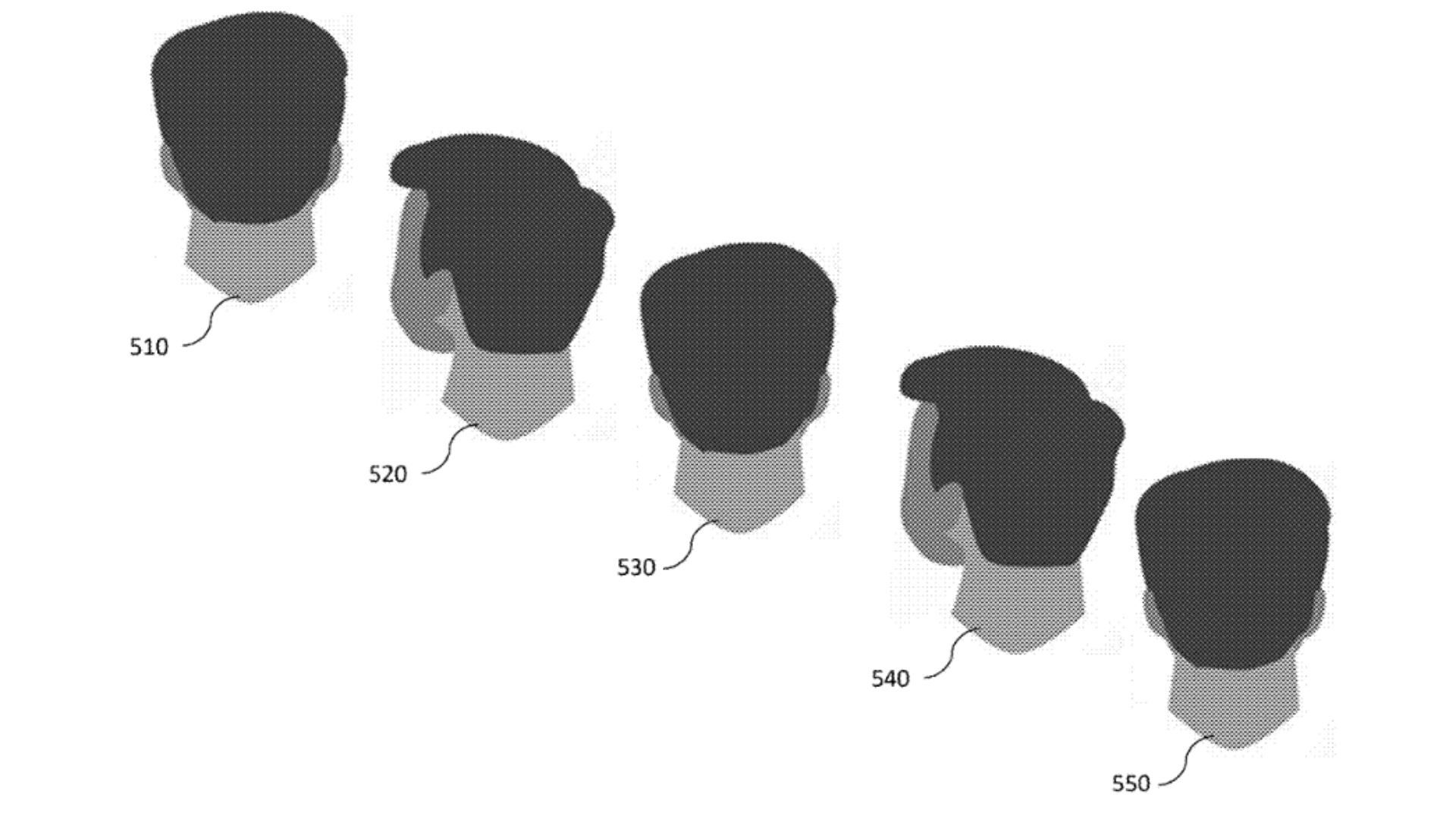
General Motors (GM) is exploring a new frontier in automated driving technology with a patent application that seeks to enable vehicles to change lanes based solely on the driver's gaze. This innovative system would utilize an internal camera to monitor the driver's facial movements, particularly their eye direction, to determine when and where a lane change should occur. This approach follows the recent trend of smart driving aids that adapt to different driving situations, as seen in luxury models like the BMW X3 and iX3.
The proposed technology represents a significant step in GM's semi-autonomous driving suite, allowing for a more intuitive interaction between the driver and the vehicle. By simply looking toward a desired lane, the driver could prompt the car to execute the lane change without the need for manual input. This concept raises intriguing possibilities for enhancing driver convenience and safety, but it also invites scrutiny regarding its practical applications.
Critics may point out that GM's existing Super Cruise software already possesses the capability to navigate around slower traffic autonomously, without requiring driver intervention. This raises questions about the necessity of an eye-tracking system when the current technology effectively manages lane changes on its own. The potential for this new feature may seem excessive, particularly if it is perceived as more of a novelty than a practical enhancement.
Despite these concerns, the idea of integrating eye-tracking technology into vehicle operations could pave the way for further innovations in driver assistance systems. It offers a glimpse into a future where vehicles are not only responsive to driver commands but also anticipate their needs based on subtle cues. As the automotive industry continues to evolve, the balance between automation and driver control remains a critical consideration.
As GM moves forward with this concept, it will be interesting to observe how they address the challenges and identify practical use cases for eye-tracking technology. The ongoing development in this area could lead to more refined systems that genuinely enhance the driving experience while maintaining safety and efficiency.