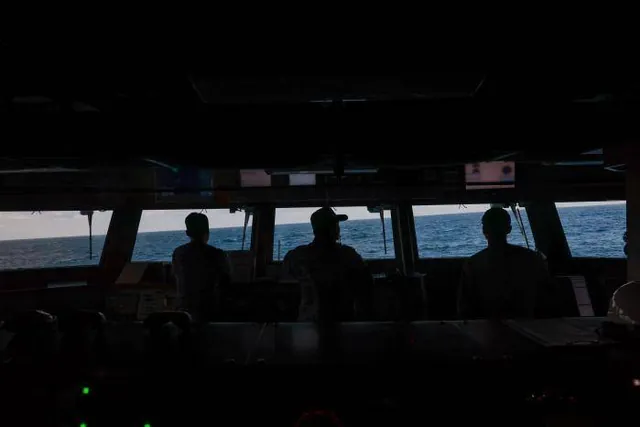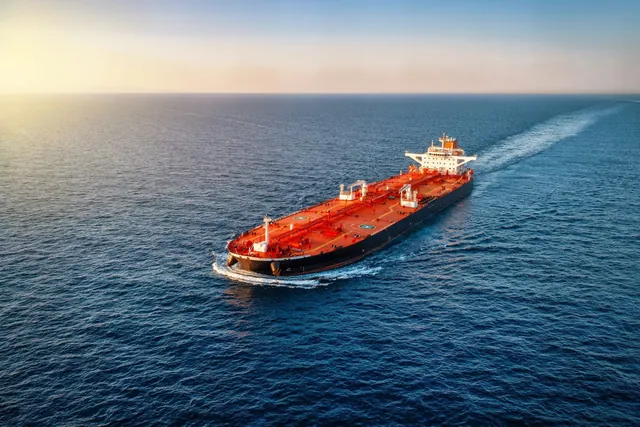
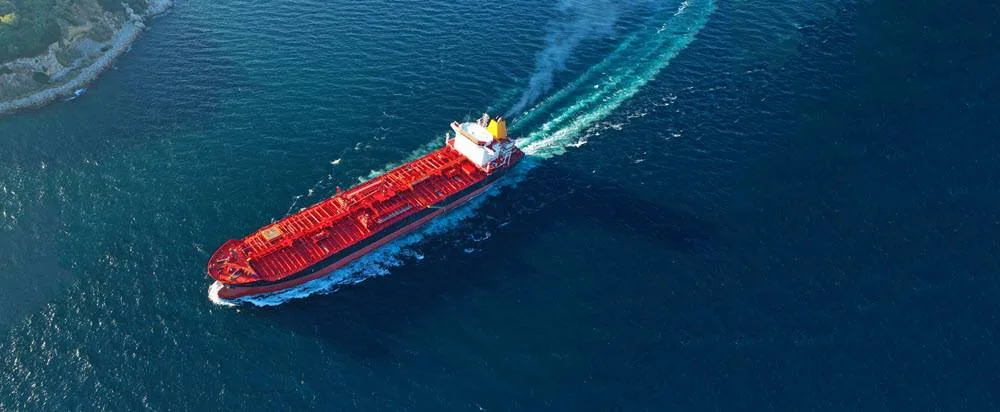
The U.S. Navy has refused near-daily requests from the shipping industry for military escorts through the Strait of Hormuz since the start of the war on Iran, saying the risk of attacks is too high for now. This decision reflects a divergence from President Donald Trump's statements that the U.S. is prepared to provide naval escorts whenever needed to restart regular shipments along the key waterway. Shipping along the narrow strait has all but halted since the start of the U.S.-Israeli war on Iran more than a week ago, preventing exports of around a fifth of the world's oil supply and sending global oil prices surging to highs not seen since 2022.
The Navy's assessments spell continued disruption to Middle East oil exports and reflect a divergence from President Trump’s statements that the U.S. is prepared to provide naval escorts whenever needed to restart regular shipments along the key waterway. Shipping industry sources familiar with the matter said the shipping industry has been making requests almost daily during the calls for naval escorts through the strait. One of the sources said the Navy’s assessment during Tuesday’s briefing had not changed and that escorts would only be possible once the risk of attack was reduced.
The U.S. military has started looking at options to potentially escort ships through the strait, should it be ordered to do so, General Dan Caine, chairman of the Joint Chiefs of Staff, said on Tuesday. The U.S. military has not yet escorted any commercial ships through the strait. Earlier in the day, U.S. Secretary of Energy Chris Wright deleted a post on X in which he said the Navy had successfully escorted one through.
While there have been some voyages through the waterway in recent days, the majority of shipping traffic remains on hold with hundreds of ships anchored. Saudi Arabia's Aramco, the world's top oil exporter, said on Tuesday there would be catastrophic consequences for the world's oil markets if the war on Iran continues to disrupt shipping in the Strait of Hormuz.
Maritime security specialists and analysts said securing the strait will be difficult, even if the effort involves an international coalition, because of Iran’s ability to deploy mines or cheaply made attack drones. The U.S. military has hit and completely destroyed 10 inactive mine-laying vessels, according to President Trump on Tuesday.
The Pentagon renewed threats on Tuesday to hit Iran harder unless shipments can flow through and said it was striking Iranian mine-laying vessels and mine-storage facilities. However, a supertanker with two million barrels of Iranian oil onboard sailed through the Strait of Hormuz in the past day, adding to at least five other vessels shipping oil to Asia since February 28.
The U.S. military's refusal to provide naval escorts highlights the complexity of securing the waterway and the risks involved in doing so. The use of drones or mines by Iran poses a significant threat to maritime security, making it challenging for any country to secure the strait without putting its own vessels at risk.
In recent months, the U.S. has carried out a series of strikes on vessels in the Caribbean and eastern Pacific that it alleges were carrying drugs, killing dozens of people. The Pentagon's actions demonstrate the military's willingness to take action against threats to maritime security, even if it means using force.
The situation in the Strait of Hormuz remains fluid, with both sides taking steps to secure their interests. As the conflict escalates, it is likely that the international community will be called upon to find a solution to this critical issue, one that balances the need for maritime security with the risks and challenges involved in doing so.
The US military's refusal to provide naval escorts through the Strait of Hormuz highlights the complexity of securing the waterway and the risks involved in doing so.