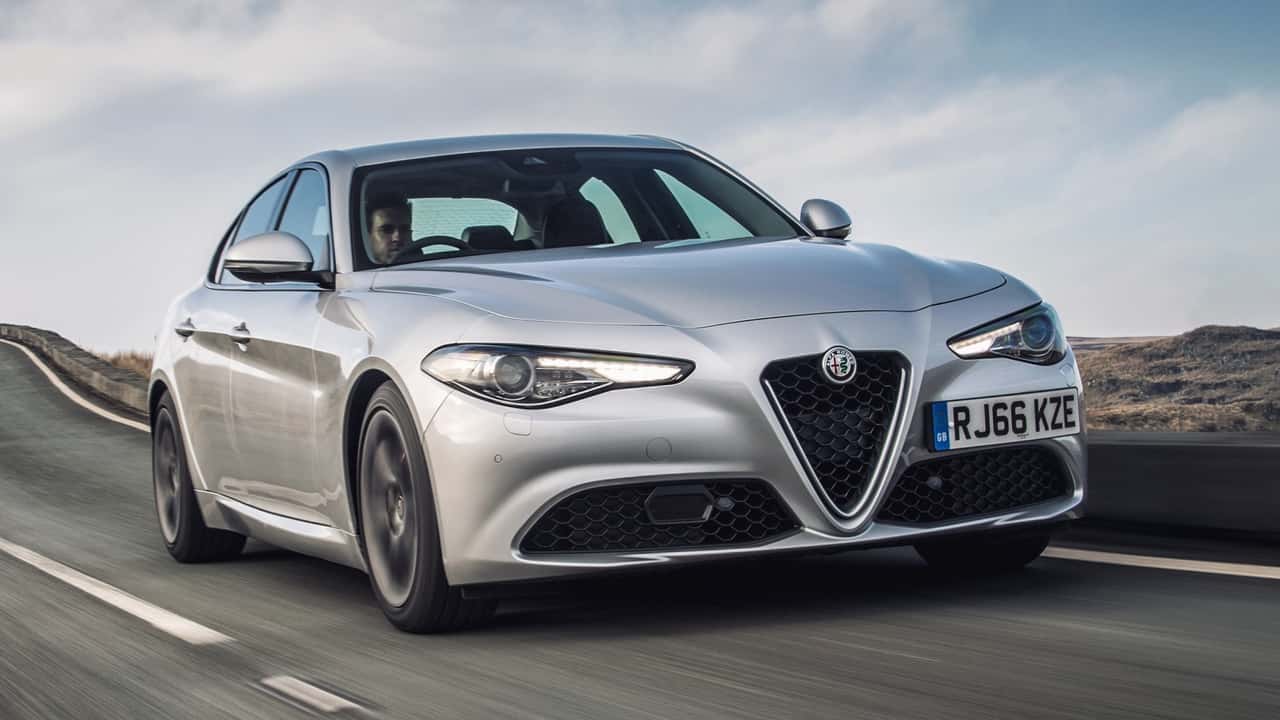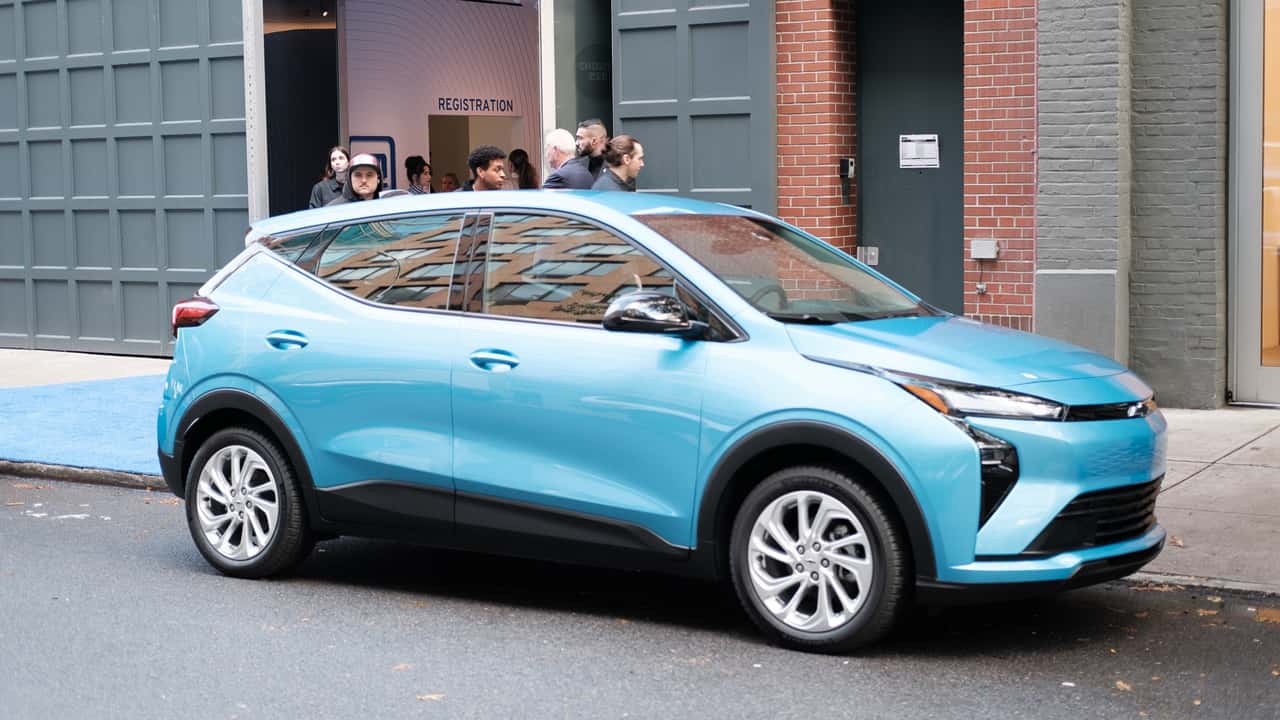


In a world where bigger is often believed to be better, the automotive industry has been conditioned to prioritize size over substance. However, this approach can lead to a loss of control and a diminished driving experience.
This article explores the idea that scale is more important than magnitude when it comes to cars, and how smaller, more manageable vehicles can offer a better driving experience. By examining the history of car design and the impact of size on driving dynamics, we can begin to challenge the notion that bigger is always better.
From the sleek designs of classic performance cars like the McLaren F1 and air-cooled 911s, to the importance of human scale in vehicle design, this article delves into the world of cars and challenges our assumptions about what makes a great ride. With the rise of SUVs and trucks, it's easy to get caught up in the hype of bigger is better, but as we'll explore, there's more to car ownership than just size.

By considering the importance of scale and human scale in vehicle design, we can begin to appreciate the value of smaller, more agile cars that prioritize driving dynamics over brute force. Whether you're a car enthusiast or simply looking for a reliable ride, it's time to rethink the myth of bigness and consider what really matters when it comes to your next set of wheels.
While size can be an important consideration in car design, it's not always the most critical factor. In fact, smaller cars can offer a more agile and engaging driving experience, making them ideal for enthusiasts who value handling and control over brute force. By prioritizing scale and human scale in vehicle design, manufacturers can create cars that are both functional and enjoyable to drive.