The New Zealand government has confirmed that it will not be moving forward with plans to reinstate live animal exports by sea, ensuring the ban on the trade remains in place at least for this parliamentary term. This decision comes after Cabinet was unable to reach agreement on reviving the industry. The ban on live animal exports has been in place since 1989 and has been a contentious issue in New Zealand's agricultural sector.
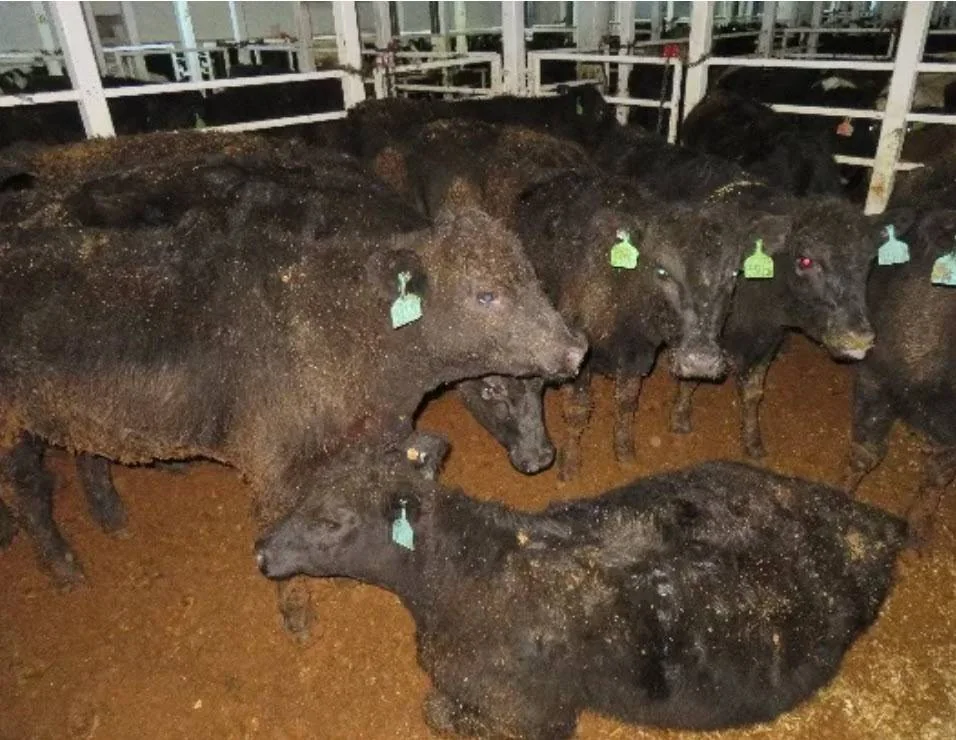
The announcement has been welcomed by SAFE CEO Debra Ashton, who describes it as a huge relief for animals. Live export forces animals into grueling journeys across oceans where they can spend weeks confined on crowded ships, exposed to extreme heat, distress, and injury. No animal should have to endure that. The strength of public opposition to the trade is evident in the 57,000 people who signed a petition in 2024 calling on the Government to protect the ban.
New Zealanders made it clear they did not want to see animals shipped overseas on long and dangerous journeys. The Government had previously signaled its intention to revive the trade under what it described as a 'gold standard' for animal welfare. However, SAFE CEO Debra Ashton says that promise was never credible. There is no such thing as a ‘gold standard’ for shipping live animals across oceans.
The risks are inherent to the trade itself. No amount of regulation can remove the suffering animals endure during weeks at sea, or guarantee their welfare once they arrive overseas. The decision to drop plans to revive the trade is a significant victory for animal welfare advocates. It highlights the need for stronger regulations and enforcement mechanisms to protect animals from cruel treatment.
Many New Zealanders remember the Gulf Livestock 1 sinking in 2020. When the ship went down after leaving New Zealand, 41 crew and all cattle on board (almost 6,000 pregnant cows) perished. The tragedy highlights the risks associated with live animal exports and the need for greater safety measures to prevent such incidents.
A global network of 36 animal welfare and protection organizations around the world has issued an urgent call to the IMO to introduce binding international regulations for livestock carriers. These regulations would provide a minimum standard for the treatment and transportation of animals, helping to prevent similar tragedies in the future.
The decision to drop plans to revive live animal exports by sea is a significant step forward for animal welfare. It demonstrates that governments can take action to protect animals from cruel treatment and ensure their welfare. However, more work needs to be done to strengthen regulations and enforcement mechanisms to prevent animal suffering.
Animal welfare advocates will continue to push for stronger protections for animals in the transport industry. The decision to drop plans to revive live animal exports by sea is a significant victory for these efforts. It highlights the power of public opposition and the need for governments to listen to the concerns of citizens.
The ban on live animal exports has been in place since 1989, but it remains a contentious issue in New Zealand's agricultural sector. The decision to drop plans to revive the trade ensures that this ban will remain in place at least for this parliamentary term. However, the long-term future of the ban is uncertain and will depend on ongoing efforts to strengthen regulations and enforcement mechanisms.
The decision to drop plans to revive live animal exports by sea is a significant victory for animal welfare advocates.