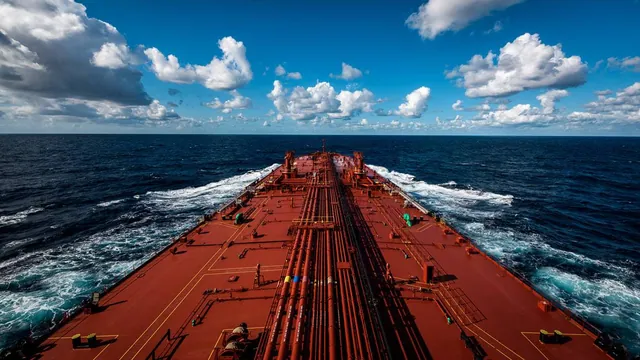
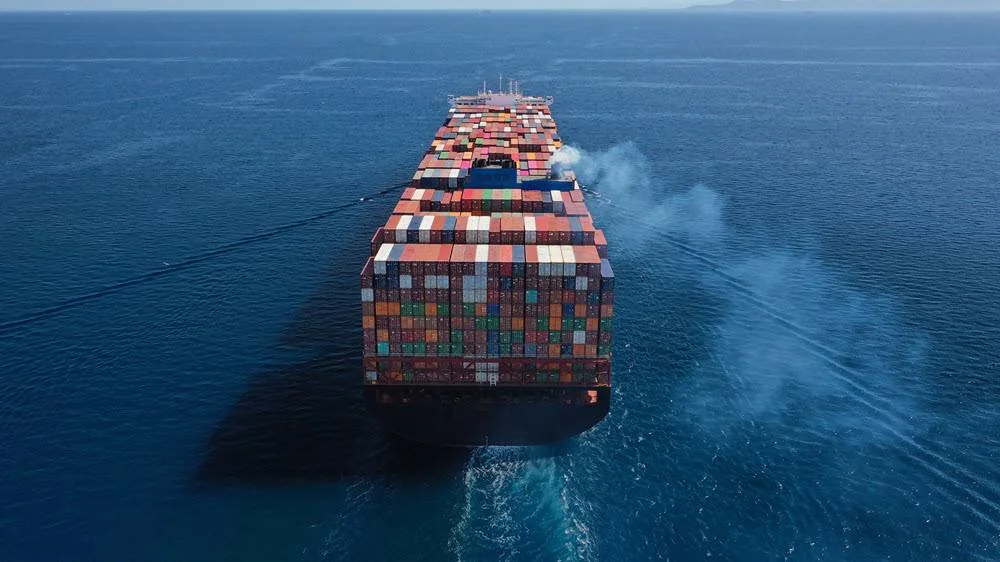
Maersk, one of the world's largest container shipping groups, has taken proactive steps to ensure its vessels can continue to bunker where needed, despite disruptions caused by tensions in the Middle East. The Danish carrier has 10 ships stranded in the Gulf, with much of the world's attention focused on the risk of attacks on oil tankers. However, some of these container ships have also come under attack, highlighting the need for increased security measures in the region. As a result, Maersk is redistributing fuel to prevent any further disruptions to its operations.
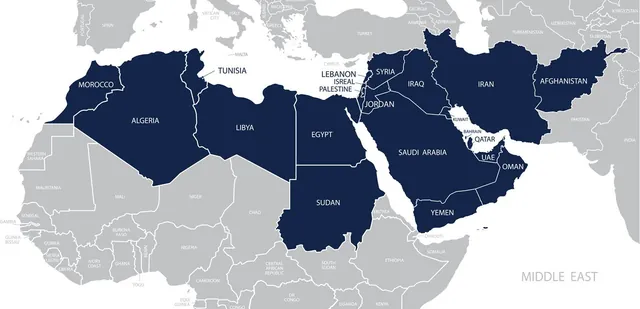
The Strait of Hormuz, which transports one-fifth of the world's oil, has become a critical energy chokepoint due to ongoing hostilities between Iran and its adversaries. The US and Israeli attacks on Iran have fueled tensions in the region, making it challenging for container shipping lines like Maersk to maintain their operations. With 100 container ships stuck in the Gulf, the situation is becoming increasingly dire, and Maersk's decision to redistribute fuel is a testament to its commitment to ensuring the continuity of its ocean network.
Maersk has paused all operations at the Port of Salalah on Wednesday until further notice due to an ongoing incident near the general cargo terminal. The company did not provide further detail, but it is clear that the situation in Oman is becoming increasingly volatile. With drones striking oil storage facilities and causing damage to storage infrastructure, the region is facing a significant security threat.
Earlier this week, falling debris from an intercepted drone sparked a fire that damaged storage infrastructure at the Fujairah ship-fueling hub in the UAE. This incident highlights the risks faced by container ships operating in the region and underscores the need for increased security measures. The fact that container ships like ONE Majesty have come under attack while at anchor in the Gulf is a worrying trend that needs to be addressed.
The impact of these disruptions on the global supply chain is already being felt, with container lines adding surcharges to cover higher fuel costs and work required to redirect cargo. This move is a response to the increasing uncertainty caused by tensions in the Middle East and highlights the need for greater flexibility and contingency planning from container shipping lines.
Maersk's decision to prioritize shipments of critical foodstuffs, medicines, and perishable goods is a testament to its commitment to ensuring the continuity of essential supplies. This move demonstrates the company's ability to adapt to changing circumstances and respond quickly to emerging challenges.
The situation in the Middle East is becoming increasingly complex, with multiple countries facing security threats from various sources. The fact that Germany's Hapag-Lloyd has a single-digit number of vessels stuck in the Strait of Hormuz highlights the varying impact of these disruptions on different container shipping lines.
Maersk's actions are likely to have a ripple effect throughout the global supply chain, as other container carriers follow suit and suspend bookings for cargo to and from countries in the Middle East. This move is a response to the increasing uncertainty caused by tensions in the region and highlights the need for greater cooperation and coordination among container shipping lines.
Ultimately, the disruption in the flow of maritime fuel in the Middle East poses significant challenges for container shipping lines, highlighting the need for flexibility and contingency planning. Maersk's decision to redistribute fuel is a crucial step towards ensuring the continuity of its ocean network and mitigating the impact of these disruptions on the global supply chain.
The disruption in the flow of maritime fuel in the Middle East poses significant challenges for container shipping lines, highlighting the need for flexibility and contingency planning.