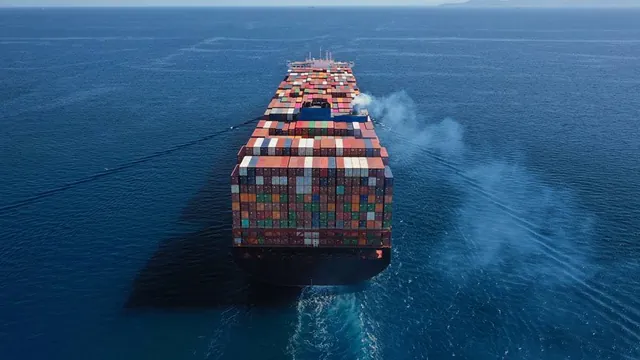
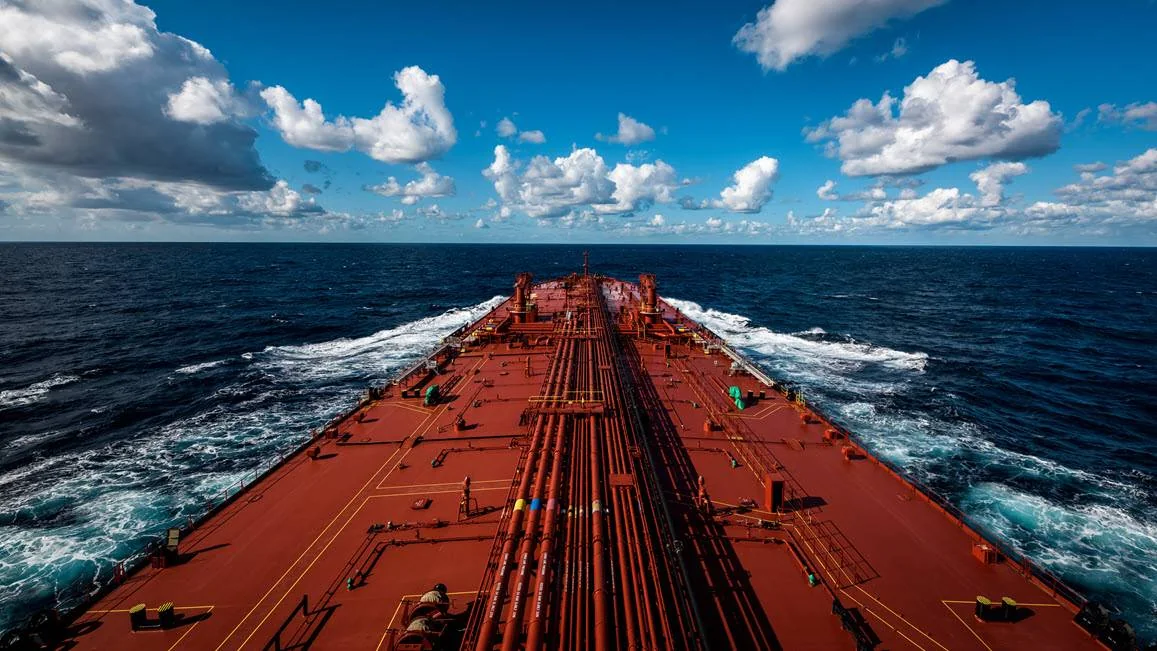
Two foreign tankers carrying Iraqi fuel oil were subjected to unidentified attacks inside territorial waters, causing them to catch fire, according to a report from Iraq's director general of the General Company for Ports Farhan al-Fartousi. The incident has raised concerns about the security of maritime trade in the region. The fact that the attacks occurred within Iraqi territorial waters underscores the need for increased vigilance and cooperation among nations to prevent such incidents.
The incident is not an isolated one, as three vessels had been hit by unknown projectiles, with one of the strikes leading to a fire onboard a ship which forced most of its crew to evacuate it. This highlights the growing threat posed by proxy attacks and the need for effective countermeasures to protect shipping lanes.
In response to the situation, the leaders of the G7 group of nations agreed to examine the option of providing escort for ships so they can navigate freely in the Gulf. This move is seen as a step towards enhancing maritime security in the region.
The recent attacks on foreign tankers have not affected Iranian oil exports, which continue to flow through the Strait of Hormuz at a near-normal pace. Iranian crude oil has been exported about 13.7 million barrels since Israel and the U.S. launched attacks on the country on February 28.
Despite the threat posed by proxy attacks, Iran's ability to keep exporting oil without any reported interceptions contrasts sharply with what happened during the U.S. military campaign in Venezuela, which involved a naval blockade of the Latin American nation and seizures of vessels attempting to enter or exit Venezuelan waters.
The fact that Iranian exports are still flowing at a steady pace suggests that the country is taking steps to protect its shipping lanes. However, this also raises concerns about the potential for escalation and the need for effective countermeasures to prevent further attacks.
Experts warn that U.S. efforts to stop Iran-linked tankers could unleash more attacks on vessels passing the Strait of Hormuz. This highlights the complex web of interests and rivalries in the region and the need for careful diplomacy to prevent miscalculations.
The recent surge in Iranian oil exports is seen as a response to the Israeli-U.S. military action, which had prompted Iran to ramp up exports in anticipation of such an event. The pace of exports could pick up in the days ahead, with multiple very large crude carriers still loading oil at Iran's Kharg Island export hub.
The fact that Iranian vessels are sailing within its exclusive economic zone, which extends up to 24 miles and beyond local territorial limits of 12 nautical miles, provides them with a measure of protection. However, this also raises concerns about the potential for further escalation and the need for effective countermeasures to prevent such incidents.
The recent attacks on foreign tankers have highlighted the ongoing risks and challenges faced by the global shipping industry. The need for increased cooperation and vigilance among nations is clear, and it remains to be seen how this situation will unfold in the days ahead.
The recent attacks on foreign tankers in Iraqi territorial waters highlight the ongoing risks and challenges faced by the global shipping industry.