
Honda has announced that it will cancel production of three upcoming electric vehicles, including the Honda 0 Series SUV, Saloon, and Acura RSX, citing declining demand for electric cars in the current business environment. The company's decision is a significant blow to its electrification strategy, which was expected to play a major role in its future growth. With the easing of fossil fuel regulations and revisions to EV incentives driving down electric car demand, Honda has been reassessing its approach to electrification.
The cancellation of these three models comes as a surprise to many in the automotive industry, given their high-profile launch plans. However, it is clear that Honda's decision was driven by a desire to avoid significant losses in the long term. The company expects to post its first operating loss in nearly 70 years for the current fiscal year, with potential losses estimated at up to $15.7 billion.
Honda had previously announced plans to produce these three models at its Honda EV Hub in Ohio, with production set to begin this year. However, it now appears that the company will instead focus on doubling down on hybrids in the U.S., a strategy that has already proven successful with popular models such as the Civic and CR-V.

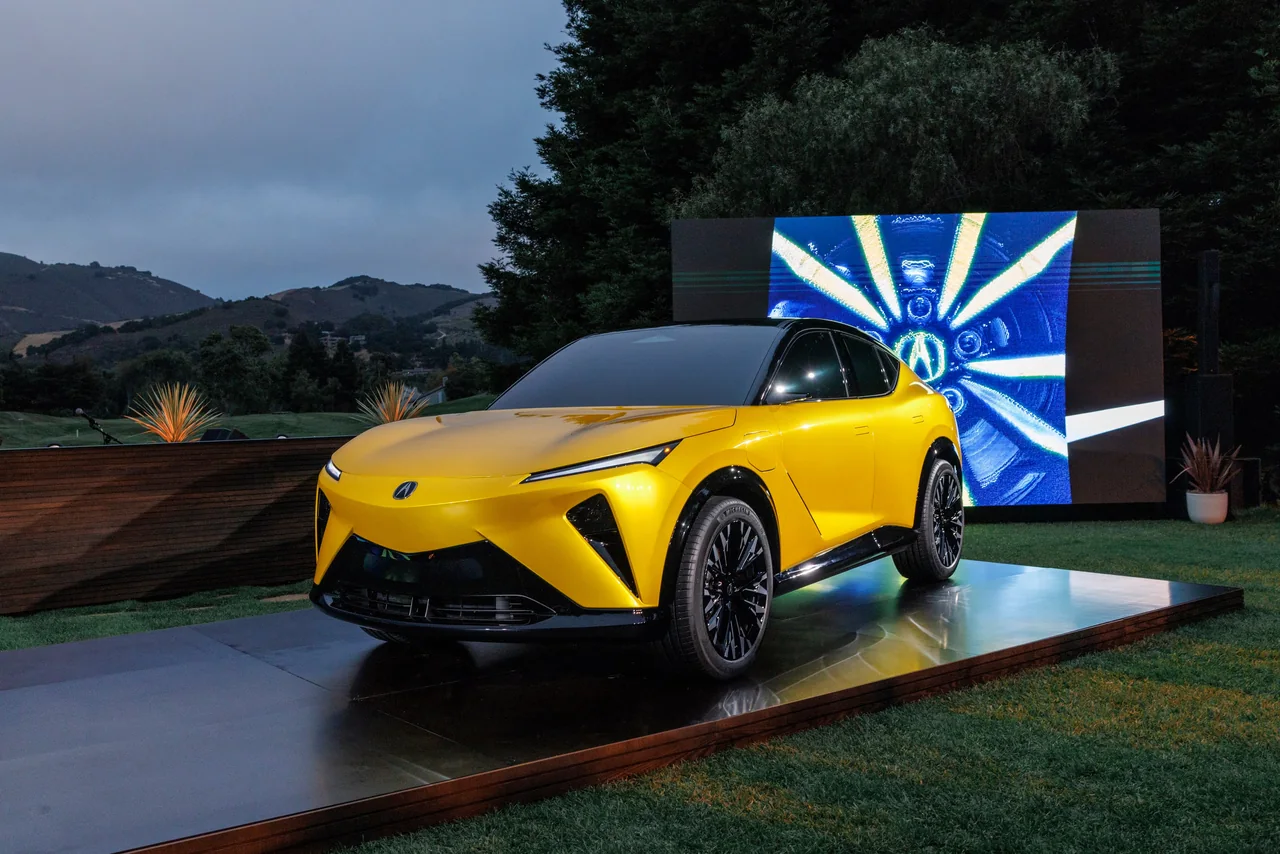
The cancellation of the Acura RSX is particularly notable, given its high-profile launch plans and the fact that it was expected to join the Honda EV Hub in Ohio. The news means that the only Honda electric vehicle still alive and kicking is the Prologue, a joint effort with General Motors.
Honda's decision highlights the challenges posed by declining demand for electric cars in the current business environment. With many consumers increasingly prioritizing traditional gasoline-powered vehicles over electric cars, manufacturers are facing significant headwinds in their efforts to drive growth in the EV market.
The company's focus on hybrids is a pragmatic response to these challenges, and one that is likely to be successful given the proven popularity of hybrid models such as the Civic and CR-V. However, it also raises questions about Honda's long-term commitment to electrification and its ability to adapt to changing consumer preferences.
As the automotive industry continues to evolve in response to shifting consumer demands and technological advancements, manufacturers must remain agile and adaptable in order to stay ahead of the curve. Honda's decision to cancel production of three electric vehicles is a significant reminder of this challenge, and one that will be closely watched by industry observers in the months and years to come.
The cancellation of these models also highlights the importance of careful planning and risk management in the automotive industry. With many manufacturers facing significant challenges in their efforts to drive growth in the EV market, Honda's decision serves as a cautionary tale about the need for prudence and foresight when it comes to investment and production planning.
Ultimately, Honda's decision to cancel production of three electric vehicles is a significant blow to the company's electrification strategy, but it also represents an opportunity for the company to refocus on more successful areas of its business. As the automotive industry continues to evolve in response to shifting consumer demands and technological advancements, manufacturers must remain agile and adaptable in order to stay ahead of the curve.
The cancellation of Honda's 0 Series EVs and Acura RSX is a significant blow to the company's electrification strategy, highlighting the challenges posed by declining EV demand and U.S. tariffs.