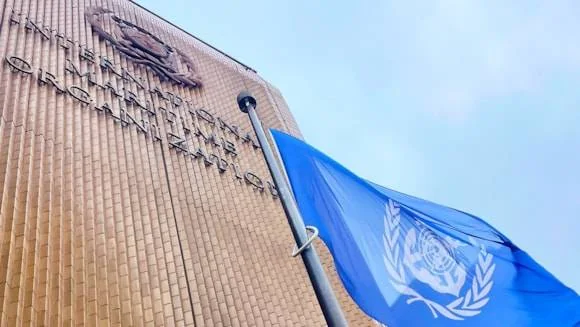
The International Maritime Organization (IMO) has called for an urgent meeting to address the escalating situation in the Middle East. The Extraordinary Council session will focus on the effects of the conflict on shipping and seafarers operating in the Arabian Sea, the Sea of Oman, and the Gulf region. Notably, the Strait of Hormuz, a critical waterway for global oil supplies, is also under scrutiny. This meeting is a response to concerns raised by several IMO Member States.
The session will take place on March 18-19 at the IMO headquarters in London, United Kingdom, with Spanish delegate Victor Jiménez serving as the chairperson. The Extraordinary Session, designated as C/ES.36, has been convened following requests from various Council Members. This move underscores the importance of swift action by the IMO to mitigate the risks associated with regional instability on international shipping routes.
The IMO Secretary-General, Arsenio Dominguez, has been engaging in briefings with industry organizations and Member States in recent days to share information and discuss the latest developments. These meetings aim to foster a better understanding of the situation and identify potential solutions to address the concerns of all stakeholders involved. By doing so, the IMO seeks to ensure that shipping operations can continue safely and efficiently despite the current tensions.
The Council, as the executive organ of the IMO, comprises 40 Member States elected by the IMO Assembly. As such, it plays a vital role in shaping maritime policy and addressing global issues affecting the industry. The IMO's decision to convene this Extraordinary Session demonstrates its commitment to maintaining stability and security on international shipping routes.
The impact of the conflict on shipping operations is multifaceted. On one hand, the situation poses significant risks to seafarers operating in the affected regions. On the other hand, it also raises concerns about the potential disruption of global oil supplies, which could have far-reaching consequences for the economy and energy markets.
The IMO's response to this crisis highlights its dedication to protecting the interests of all stakeholders involved in international shipping. By convening an Extraordinary Session, the organization is taking proactive steps to address the concerns of Member States and industry organizations, ultimately ensuring that maritime trade can continue without undue disruption.
However, the success of this effort will depend on the ability of all parties involved to work together effectively. The IMO's role in facilitating dialogue and finding mutually beneficial solutions cannot be overstated. By doing so, it can help mitigate the risks associated with regional instability and promote a more stable and secure maritime environment.
The IMO's actions in response to this crisis serve as a reminder of the importance of international cooperation in addressing global challenges. As the world becomes increasingly interconnected, the need for collective action to address shared concerns has never been more pressing.
As the situation in the Middle East continues to unfold, it is essential that all stakeholders remain vigilant and committed to finding peaceful solutions. The IMO's decision to convene an Extraordinary Session demonstrates its commitment to this goal and underscores the importance of maritime cooperation in promoting stability and security on international shipping routes.
The IMO's decision to convene an Extraordinary Session highlights the growing concern among shipping stakeholders regarding the impact of regional tensions on maritime trade and safety.