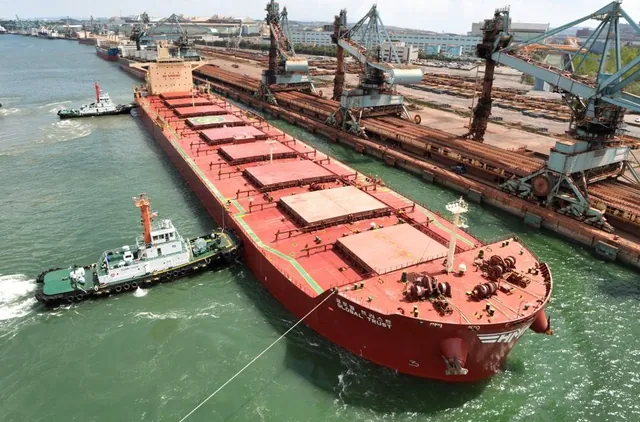
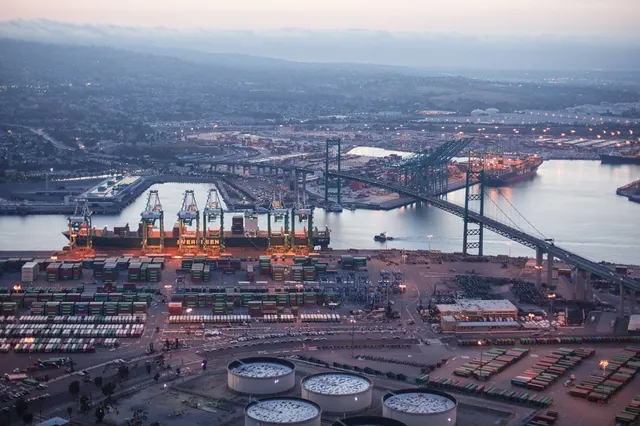
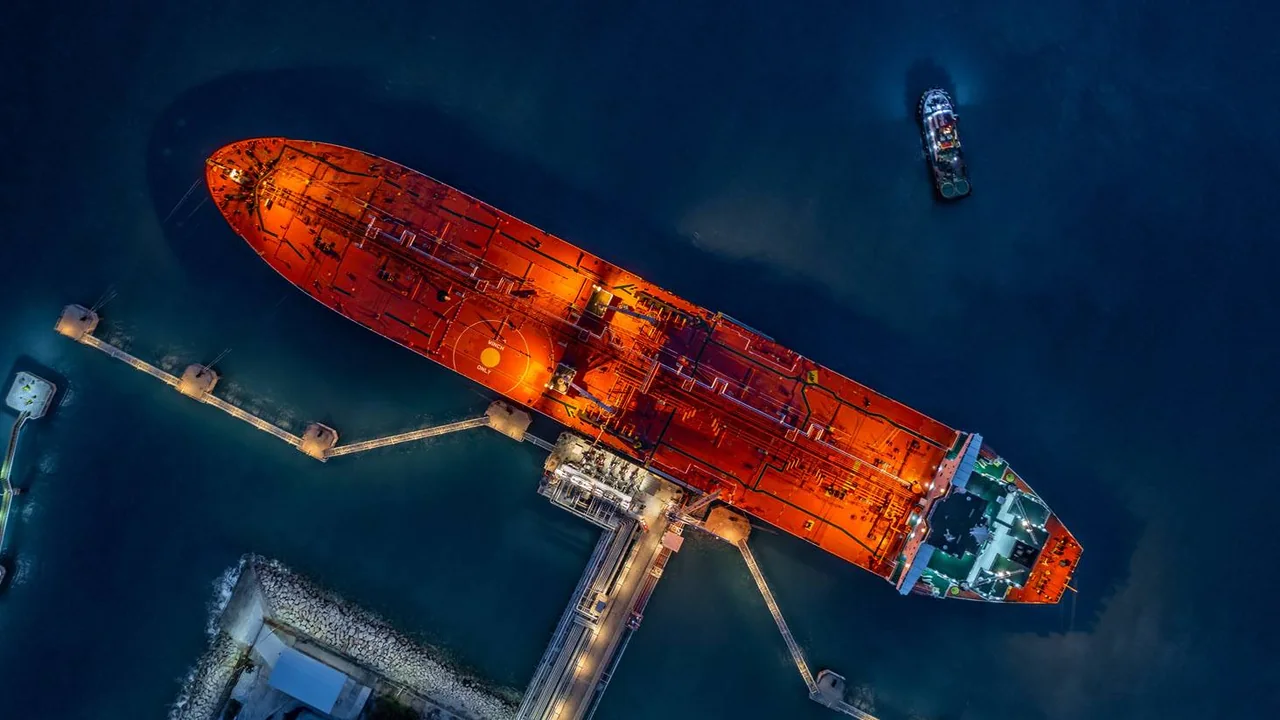
President Trump's administration is considering waiving the Jones Act for a limited period to ensure energy and agricultural shipments can move freely between U.S. ports, in an effort to combat supply disruptions caused by Iran-related tensions. This action aims to alleviate pressure on fuel prices and other essential goods. The White House has not yet finalized the decision, but it is expected to be announced soon. A 30-day waiver could come as early as Thursday, according to sources familiar with the matter. This move would allow foreign ships to carry fuel between U.S. ports, potentially lowering shipping costs and speeding deliveries. However, this decision has sparked controversy among maritime labor unions, who argue that a waiver would benefit foreign-flag operators at the expense of American workers. The unions have expressed concerns about the impact on national security and economic interests.
The Jones Act, which dates back to 1920, requires goods shipped between U.S. ports to be carried on vessels that are built, flagged, and owned in the United States. This requirement has significant implications for the domestic shipping industry, as it limits the number of tankers available for domestic shipments. Despite this limitation, the Jones Act remains a contentious issue among maritime labor unions, who strongly support the rule. The administration's consideration of waiving the act is seen as a response to the growing concern about fuel prices and other disruptions caused by Iran-related tensions.
The recent surge in fuel prices has significant implications for President Trump's re-election campaign, particularly among voters sensitive to inflation ahead of the November midterm elections. High gasoline prices carry substantial political risks for the administration, which has long argued that their energy policies would keep fuel affordable for American consumers. A sustained rise in pump prices could undermine this message and fuel criticism from Democrats that the administration has failed to shield households from higher costs.
The U.S. national average retail gasoline price hit $3.60 a gallon on Thursday for the first time since May 2024, while diesel prices reached $4.89 a gallon, the highest since December 2022. These numbers are based on data from the motorist association AAA and reflect the growing concern about fuel prices among consumers and policymakers alike.
Trump has been reviewing ideas to tame energy prices, but analysts and energy experts say he has few meaningful options as long as Iran continues to attack oil tankers in the Strait of Hormuz. The narrow waterway off the coast of Iran is a critical chokepoint for global oil supplies, and any disruption could have significant implications for fuel prices.
A waiver of the Jones Act would allow foreign ships to carry fuel between U.S. ports, potentially lowering shipping costs and speeding deliveries. However, this move has sparked opposition from seven maritime labor unions, who argue that crude oil prices rather than shipping costs are the primary driver of gasoline prices. The unions have expressed concerns about the impact on national security and economic interests.
Patrick De Haan, an analyst with fuel price tracker GasBuddy, said a waiver could help slow increases in import-reliant regions like the West Coast and Northeast, but the overall price trend would continue to be dictated by developments in the Middle East. On a daily basis, the waiver might slow price increases by around a nickel a gallon.
The largest U.S. farm lobby, the American Farm Bureau Federation, has asked Trump to waive the Jones Act to improve domestic transportation capacity and prevent fertilizer price spikes for farmers caused by shipping disruptions through the Strait of Hormuz. The United States has issued Jones Act waivers in the past only sparingly, typically in response to major supply disruptions.
The administration's consideration of waiving the Jones Act is a complex issue with significant implications for national security, economic interests, and fuel prices. As policymakers weigh their options, they must balance competing priorities and consider the potential consequences of such a move.
A temporary waiver could slow price increases by around a nickel a gallon, but the overall trend would still be dictated by Middle East developments.