
Today's episode of Quick Charge has sparked a heated debate in the automotive industry with a new lawsuit alleging that Tesla was negligent in retaining Elon Musk as CEO. The comparison made by the plaintiffs is not far off from reality, as some critics have described Musk as a 'fast-talking salesman' who often prioritizes marketing over engineering and safety decisions. This criticism has led to concerns about Musk's ability to lead the company towards a more sustainable future.
The lawsuit also questions Musk's input into engineering and safety decisions at Tesla, which is a critical aspect of the EV market. The industry is watching closely to see how this controversy will play out and its potential impact on Tesla's operations and reputation.
As the EV market continues to grow, companies like Tesla are under increasing pressure to prioritize sustainability and safety above all else. Musk's leadership style has been a subject of debate for some time now, with some arguing that it is too focused on short-term gains rather than long-term sustainability.

The executive exodus at Tesla that began in mid-2024 has also added to the uncertainty surrounding the company's future direction. This exodus has left many wondering if Musk's leadership style is a major contributor to the company's struggles with employee retention and morale.
Despite these challenges, Tesla remains one of the leading players in the EV market, with its Model Y being a highly popular model among consumers. However, with the arrival of new competitors like Rivian and Lucid, the industry is witnessing a shift towards more sustainable and affordable electric vehicles.
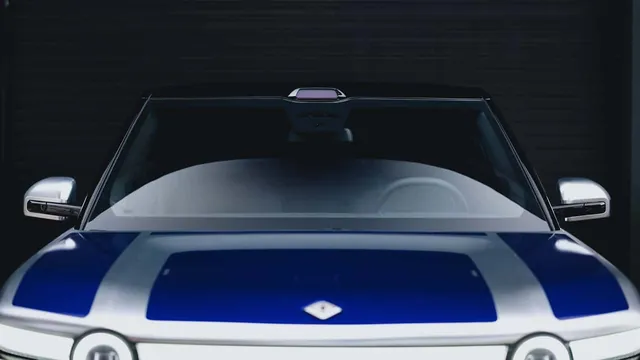
The Rivian R2 has been touted as a major competitor to Tesla's Model Y, with its mid-size design and advanced features making it an attractive option for many consumers. Meanwhile, Lucid's upcoming mid-sized Tesla Model Y 'killers' are also expected to make a significant impact on the market.
As the EV market continues to evolve, companies like Rivian and Lucid are playing a crucial role in shaping its future direction. Their focus on sustainability, affordability, and innovation is likely to have a major impact on the industry's trajectory over the coming years.
The arrival of these new competitors has also raised questions about Tesla's dominance in the EV market. Can Musk's leadership style continue to drive the company towards success, or will the negative publicity surrounding his tenure as CEO ultimately prove to be a major liability?
Only time will tell how this controversy will play out and its potential impact on Tesla's operations and reputation. One thing is certain, however - the EV market is witnessing a significant shift towards more sustainable and affordable electric vehicles.
As the industry continues to watch and wait for developments in this story, it remains to be seen whether Tesla's 'negligent' CEO will come through on his AI-powered promises and drive the company towards a more sustainable future.
Meanwhile, consumers are likely to benefit from the increased competition in the EV market, with more options available to them than ever before. This shift is likely to have a major impact on the industry's trajectory over the coming years, as companies like Rivian and Lucid continue to innovate and push the boundaries of what is possible in sustainable transportation.
In conclusion, the recent controversy surrounding Tesla's CEO has added a new layer of complexity to the EV market. As the industry continues to evolve, it remains to be seen how this will play out and its potential impact on Tesla's operations and reputation.
The recent allegations against Tesla's CEO, Elon Musk, raise questions about the company's leadership and its impact on the EV market.