
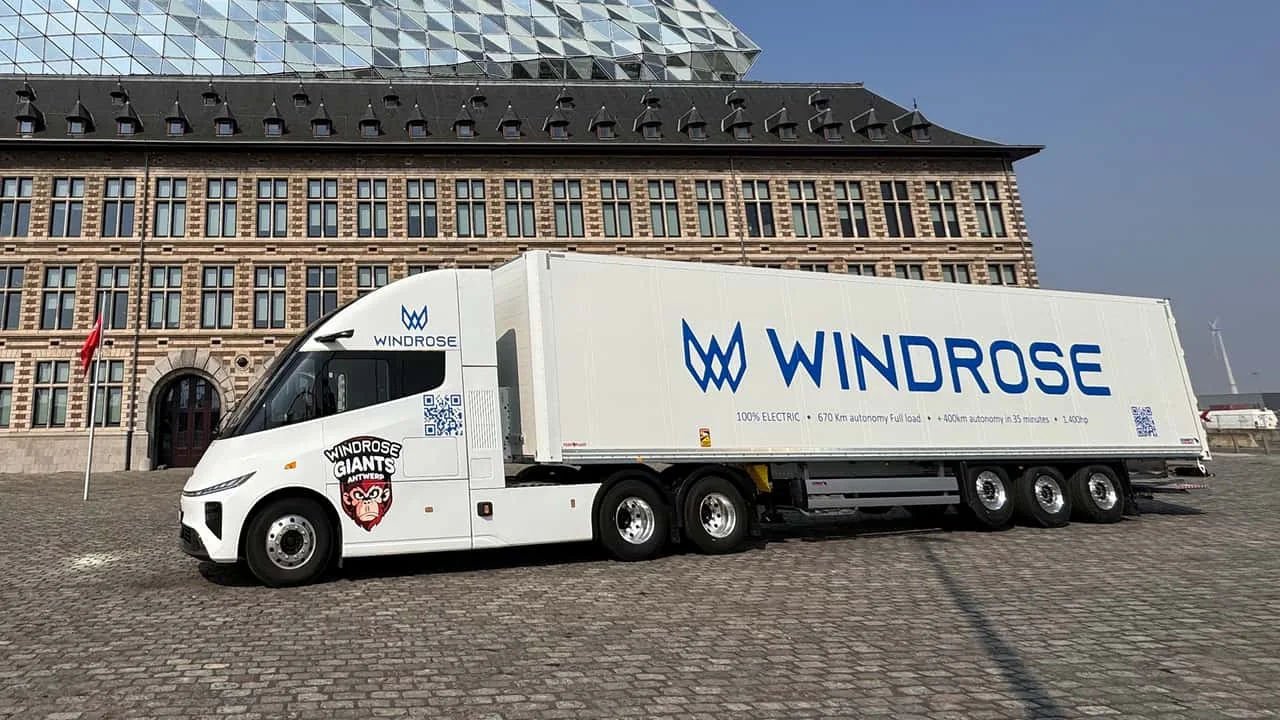
The European EV trucking industry is facing an unprecedented level of competition, as Chinese companies are now bringing their low-cost advantage to the market. This shift has left many industry experts worried about the future prospects of traditional European truck manufacturers. The entry of Chinese players into the heavy-duty truck market is expected to have a profound impact on the global supply chain and the way goods are transported. As a result, European companies will need to adapt quickly to remain competitive in this rapidly evolving landscape.
The low-cost advantage offered by Chinese EV makers is primarily due to their economies of scale and access to cheap raw materials. Chinese manufacturers such as BYD and BAIC have been investing heavily in their electric truck production capacity, which has enabled them to reduce costs significantly. This cost competitiveness will make it challenging for European companies to compete on price, particularly in the long haul segment where trucks are often used for extended periods. As a result, European industry players may need to focus on offering higher value-added services or products to differentiate themselves from their Chinese rivals.
The impact of this competition will be felt across various segments of the European trucking industry, from small and medium-sized enterprises (SMEs) to large industrial players. SMEs, in particular, may struggle to compete with the lower prices offered by Chinese manufacturers, which could lead to job losses and consolidation in the sector. On the other hand, larger companies may be better equipped to absorb the pressure and invest in new technologies that will enable them to remain competitive in the market.
Despite the challenges posed by Chinese competition, many European industry experts believe that there are opportunities for growth and innovation in the EV trucking segment. The increasing focus on sustainability and reducing carbon emissions has created a demand for more environmentally friendly transportation solutions. Companies that can offer electric or hybrid trucks with improved range and efficiency will be well-positioned to capitalize on this trend.
The European Union's ambitious climate targets, which aim to reduce greenhouse gas emissions from transport by 90% by 2050, are also expected to drive growth in the EV trucking market. As governments implement policies to encourage the adoption of low-emission vehicles, companies that can offer sustainable transportation solutions will be better equipped to meet these demands.
The entry of Chinese players into the heavy-duty truck market is also likely to lead to increased consolidation and cooperation among European industry players. Companies may need to form alliances or partnerships to share costs and invest in new technologies that will enable them to remain competitive in the market. This could lead to a more collaborative and innovative approach to addressing the challenges posed by Chinese competition.
However, there are also concerns about the quality and safety of Chinese-made trucks, which have been a subject of debate among industry experts. While some Chinese manufacturers have made significant investments in their quality control processes, others may struggle to meet European safety and regulatory standards. This could lead to reputational risks for European companies that choose to partner with or supply components to Chinese rivals.
The rise of Chinese EV trucking manufacturers is also likely to accelerate the adoption of new technologies such as autonomous driving and smart logistics. Companies that can offer integrated solutions that combine advanced technology with sustainable transportation options will be well-positioned to capitalize on this trend.
As the European EV trucking industry navigates this rapidly evolving landscape, companies will need to prioritize innovation, sustainability, and collaboration if they are to remain competitive in the market. By investing in new technologies and forming strategic partnerships, industry players can mitigate the impact of Chinese competition and stay ahead of the curve in terms of sustainability and efficiency.
Ultimately, the future of the European EV trucking industry will depend on its ability to adapt to changing market conditions and consumer demands. Companies that can offer sustainable transportation solutions with improved range and efficiency will be well-positioned to capitalize on this trend and remain competitive in the market for years to come.
The rise of Chinese electric vehicle (EV) manufacturers in the heavy-duty truck market poses a significant threat to European industry players.