
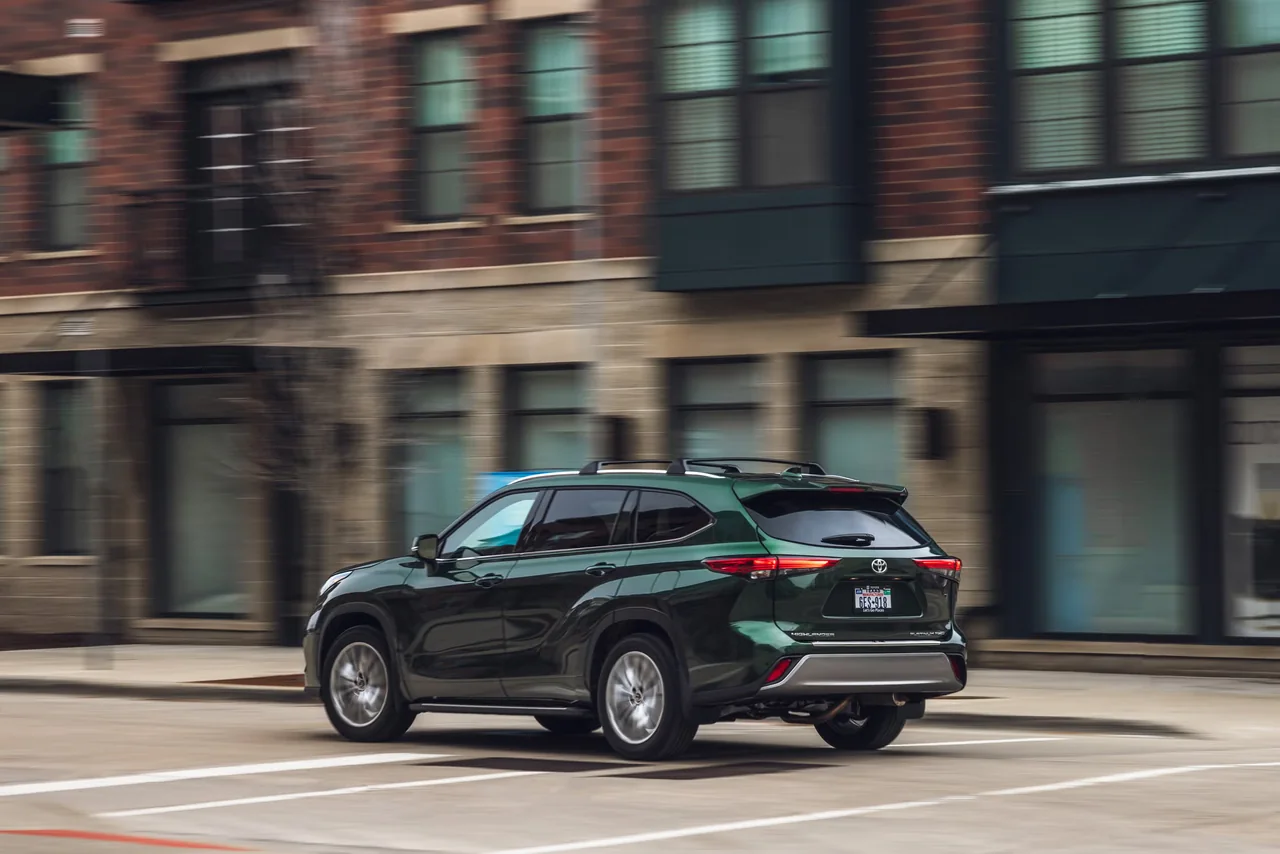
Toyota has issued a massive recall for approximately 550,007 Highlanders and Highlander Hybrid SUVs due to a critical issue with the second-row seats. The problem lies in the recliner seatbacks, which can fail to safely restrain passengers in the event of a crash if not properly locked into position.
The design change by a parts supplier has been identified as the root cause of the issue, which was not accounted for in terms of weight balance between the locking spring and the return spring. This oversight can lead to compromised seatback functionality.
Toyota is aware of 10 field reports and 18 warranty claims related to this recall population, but it remains unclear if there have been any reported injuries or fatalities directly attributed to the issue at this time.

The fact that this is a hardware-related defect rather than a software problem means that owners will need to visit a dealership for service to rectify the issue. Toyota plans to notify affected owners in April and will provide free repairs, including replacing the return springs with an improved version.
Dealerships will be responsible for inspecting and repairing the affected vehicles, which is a significant undertaking given the scale of the recall. Owners can check the National Highway Traffic Safety Administration (NHTSA) recalls website to see if their vehicle is included in this or any other recall.
The impact of this recall on Toyota's reputation and sales figures remains to be seen, but it is clear that the company takes customer safety seriously and is taking proactive steps to address the issue. The recall underscores the importance of robust testing and quality control procedures in the automotive industry.
In terms of the broader implications for the automotive sector, this recall serves as a reminder of the need for manufacturers to prioritize safety above all else. While the defect may not be catastrophic, it highlights the potential consequences of even seemingly minor design flaws.
As the automotive industry continues to evolve and become increasingly complex, recalls like this one will likely become more frequent. It is essential that manufacturers remain vigilant in their pursuit of quality and safety standards.
Ultimately, the success of companies like Toyota will depend on their ability to balance innovation with safety and reliability. With this recall, Toyota has demonstrated its commitment to addressing customer concerns and ensuring the well-being of its customers.
The recall highlights the importance of rigorous testing and quality control in the automotive industry.