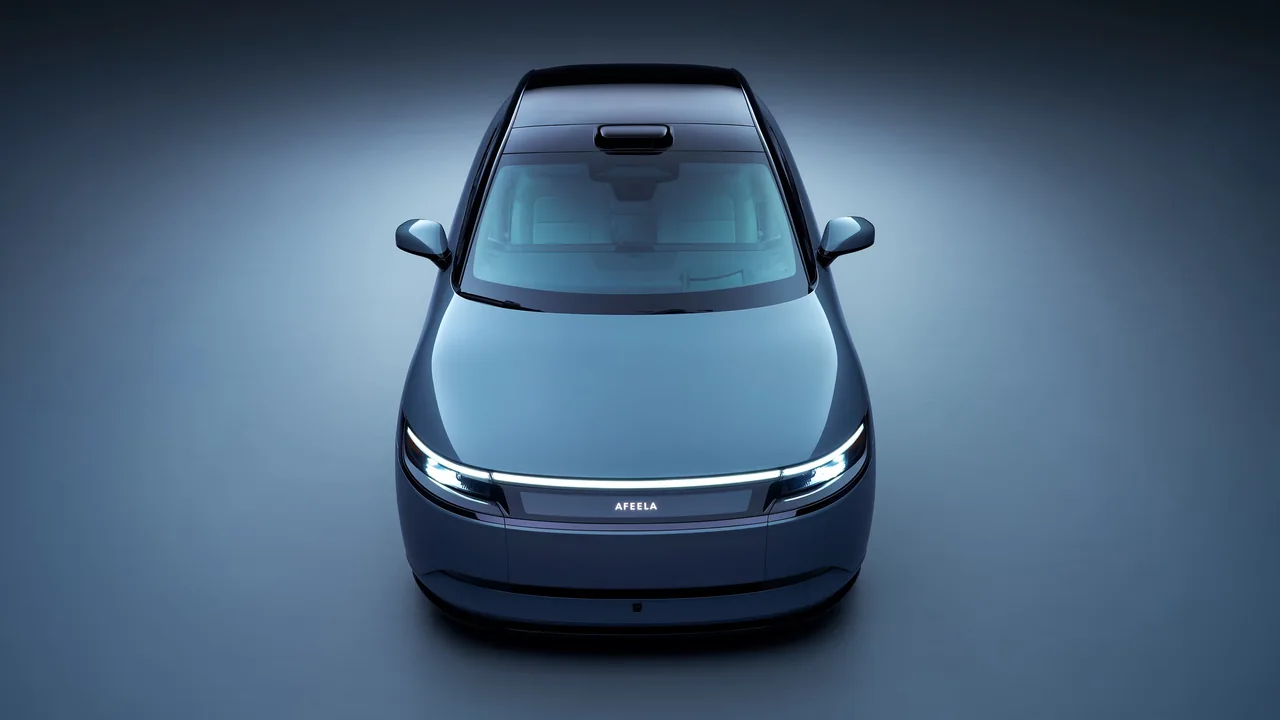
Honda has canceled all three EVs set to be built in the United States, including the Afeela 1, a joint venture between Honda and Sony. The decision comes after years of investment in Ohio's manufacturing facilities to build EVs, hybrids, and gas cars on the same line. This move marks a significant shift in Honda's strategy, leaving many wondering about the future of electric vehicles in the US market.
The Afeela 1 was set to go on sale midway through this year, with pre-production models already assembled at Honda's East Liberty factory in Ohio. However, with Honda now canceling its EV plans, it's unclear how the three factories will be affected. The company has spent much of the past two years retooling its facilities to build EVs, but it seems that effort may have been for naught.
Honda had planned to build three EVs in Ohio, including the Acura RSX and 0-Series SUV and Saloon. However, with the cancellation of these plans, it's possible that the East Liberty facility will focus on producing popular gas and hybrid vehicles instead. This could lead to a decrease in production numbers for the Afeela 1, potentially shortening its run.

The Afeela 1 is expected to start at $89,900 but will initially launch in the $102,900 Signature trim. While it boasts advanced driver assistance systems and a high-tech cabin, its price point and specs may not be enough to compete with more established electric vehicles on the market. The Lucid Air, for example, starts at $72,400 with 420 miles of range.
The Afeela's real selling point is its ability to watch movies and TV while driving, thanks to ginormous screens in the cabin. However, this feature may not be enough to move the needle for most customers, especially considering the current state of the electric vehicle market. The Afeela 1 could still enter production, but it may end up becoming a footnote in an EV revolution that never quite materialized.
Honda's decision to cancel its US-based EV production raises questions about the future of the Afeela project and its potential impact on the electric vehicle market. With many manufacturers shifting their focus towards more established models, it's possible that the Afeela 1 may not be able to compete. However, with pre-production models already assembled, it's likely that some production will still occur.

The expansion of the EV market has slowed down due to several factors, including eased fossil fuel regulations and revisions to EV incentives. This slowdown has hit many brands hard, leading to a noticeable decrease in sales across the industry. Honda's decision may be a response to this trend, but it also raises concerns about the future of electric vehicles.
The Afeela 1 is expected to make around 400 horsepower and have a range of around 300 miles. While these specs are not bad, they are not enough to stand out in a crowded market. The Afeela's real selling point is its advanced driver assistance systems and high-tech cabin, but it may not be enough to move the needle for most customers.
In the end, Honda's decision to cancel its US-based EV production will likely have a significant impact on the electric vehicle market. With many manufacturers shifting their focus towards more established models, it's possible that the Afeela 1 may not be able to compete. However, with pre-production models already assembled, it's likely that some production will still occur.

The sudden cancellation of Honda's US-based EV production raises questions about the future of the Afeela project and its potential impact on the electric vehicle market.