
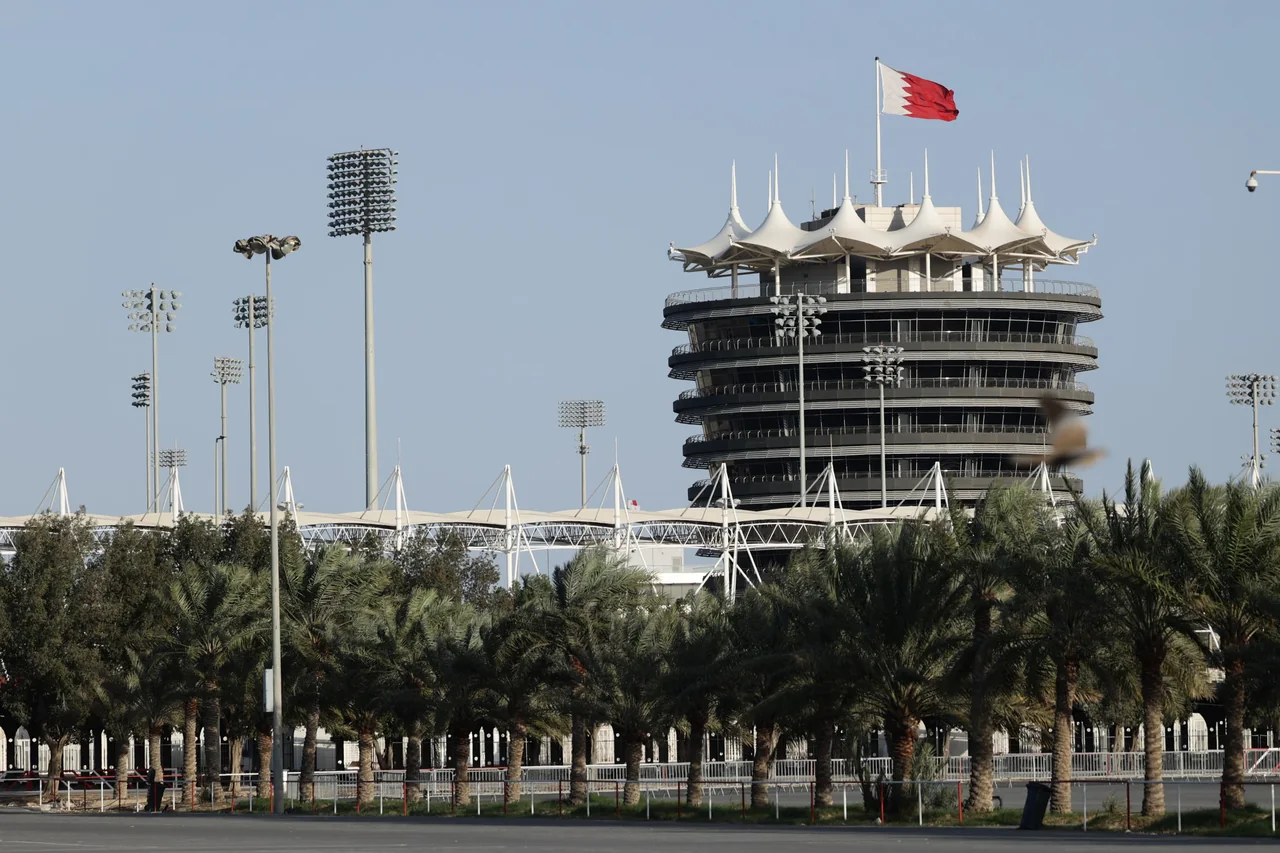
Formula 1 is bracing itself for a major scheduling crisis as it grapples with the repercussions of recent conflicts in the region. The upcoming Bahrain and Saudi Arabian Grands Prix, scheduled for April, are now at risk of being canceled due to their proximity to the ongoing conflict in Iran. This decision would be a significant blow to the sport, which was already struggling to cope with its packed calendar. With only days left before a final decision is made, it's clear that the series is facing an unprecedented challenge in managing its events and ensuring the safety of its drivers and personnel.
The news has been met with widespread concern from fans and experts alike, who are worried about the potential impact on the sport's popularity and reputation. With so much at stake, it's essential that Formula 1 takes a cautious approach to scheduling its events, prioritizing the safety and well-being of all involved. The cancellation of these two Grands Prix would be a significant reduction in the number of races scheduled for the season, potentially leading to a loss of momentum and excitement among fans.
The situation is further complicated by the fact that other regional events, such as the World Endurance Championship's season-opener in Qatar, have already been affected. The Qatari event was initially canceled but has since been rescheduled for October, highlighting the challenges faced by organizers in managing their calendars and adapting to changing circumstances.
The F1 calendar is notoriously packed, with 24 events scheduled across the globe. However, this overscheduling has led to concerns about driver safety and fatigue, as well as the logistical challenges of hosting multiple events in a short period. The cancellation of these two Grands Prix would be a significant blow to the sport's reputation for delivering high-quality racing experiences.
With so little space for re-scheduling in an already congested calendar, it's unlikely that alternative dates could be found in Portugal, Turkey, or Italy on short notice. This means that Formula 1 would need to consider more drastic measures, potentially leading to a reduction in the number of races scheduled for the season.
The implications for Formula 2 and Formula 3 are also significant, as these junior series face major gaps in their calendars due to the cancellations. With three full months between season openers in Australia and eventual scheduled rounds in Monaco, it's clear that the sport is facing a major scheduling crisis.
Formula 1 has faced numerous challenges in recent years, from financial struggles to concerns about driver safety. However, this latest development takes the cake, highlighting the need for greater flexibility and adaptability in managing the sport's events calendar.
The cancellation of these two Grands Prix would be a significant blow to the sport's reputation and popularity, potentially leading to a loss of momentum and excitement among fans. It's essential that Formula 1 takes a proactive approach to addressing this challenge, prioritizing the safety and well-being of all involved.
As the situation continues to unfold, it remains to be seen how Formula 1 will navigate this crisis. One thing is certain, however: the sport must prioritize caution and prudence in managing its events calendar, ensuring that the safety and well-being of drivers and personnel remain paramount.
The cancellation of these events would have significant implications for the entire Formula 1 calendar, potentially leading to a reduction in the number of races from 24 to 22.