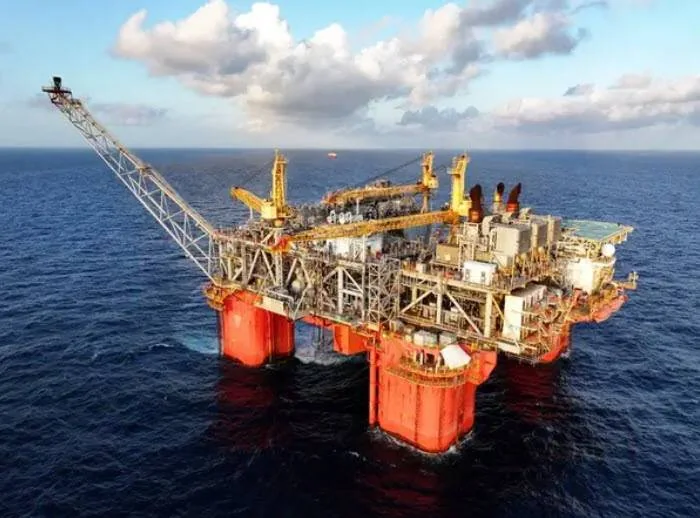
The Trump administration has given the green light to British energy major BP's $5 billion Kaskida project in the Gulf of Mexico, paving the way for a significant increase in U.S. oil production. The approval follows a year-long review of the company's development plan and marks an important milestone for the industry. With this investment, BP is poised to unlock 10 billion barrels of resources discovered in the Paleogene fields of the U.S. Gulf.
The Kaskida project is scheduled to start crude production in 2029, with plans to follow up on the success of BP's Argos project, which began operations in 2023. The Argos project was a significant achievement for BP, marking its first platform launch in the U.S. Gulf since 2008 and the first since the Deepwater Horizon disaster. This move signals a renewed focus on offshore drilling in the region.
The Kaskida project's approval is a testament to the Trump administration's efforts to increase domestic oil production. The approval comes after years of regulatory scrutiny, with the U.S. Department of the Interior working closely with BP to ensure compliance with all relevant regulations. This collaboration has yielded significant benefits for both the company and the industry as a whole.
The Deepwater Horizon disaster in 2010 had a profound impact on the offshore drilling industry, leading to increased safety measures and stricter regulations. The approval of the Kaskida project marks an important step forward in the industry's recovery from this tragedy. However, concerns about environmental impact remain a pressing issue for regulators and industry stakeholders alike.
BP's investment in the Kaskida project is a significant vote of confidence in the U.S. oil market. With global demand for oil expected to continue growing, the Kaskida project's production will help meet this demand and support economic growth. The company's commitment to responsible drilling practices will be crucial in ensuring the long-term sustainability of this project.
The approval of the Kaskida project is also a reflection of the Trump administration's pro-business policies. By streamlining regulatory processes and reducing bureaucratic red tape, the administration has created a more favorable business environment for companies like BP. This move is likely to have a positive impact on other industries as well, as it signals a renewed focus on deregulation.
While the Kaskida project's approval is a significant achievement for BP, it also raises questions about the environmental impact of increased oil production in the region. As the industry continues to grapple with these issues, regulators and stakeholders will need to work together to ensure that production is balanced with environmental concerns. This delicate balance will be crucial in ensuring the long-term sustainability of the Kaskida project.
The Kaskida project's start date of 2029 marks an important milestone for the industry, as it signals a renewed focus on offshore drilling in the U.S. Gulf. With this move, BP is poised to play a leading role in shaping the future of the oil industry. As the industry continues to evolve, companies like BP will need to adapt and innovate to meet changing market demands.
The approval of the Kaskida project is a significant step forward for the U.S. energy sector, as it marks an important milestone in the country's efforts to increase domestic oil production. With this move, the U.S. is poised to become an even more significant player in the global oil market, with implications for economic growth and energy security.
As the Kaskida project moves forward, industry stakeholders will be watching closely to see how it plays out. With its significant investment and commitment to responsible drilling practices, BP is well-positioned to make a positive impact on the environment while also driving economic growth.
The success of the Kaskida project will depend on several factors, including regulatory compliance, environmental sustainability, and market demand. As the industry continues to evolve, companies like BP will need to stay agile and adapt to changing market conditions in order to remain competitive.