The United States is seeking the assistance of seven countries to help secure the Strait of Hormuz, a vital waterway that has been largely blocked by Iran amid the ongoing conflict. The move comes as President Donald Trump's administration faces growing pressure to address the rising cost of oil prices, which have surged to around $100 a barrel in recent weeks. With the US economy heavily reliant on imported oil, the White House is keen to ensure the stability of global energy supplies.
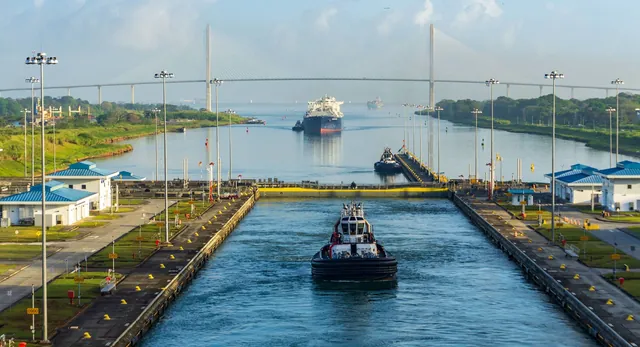
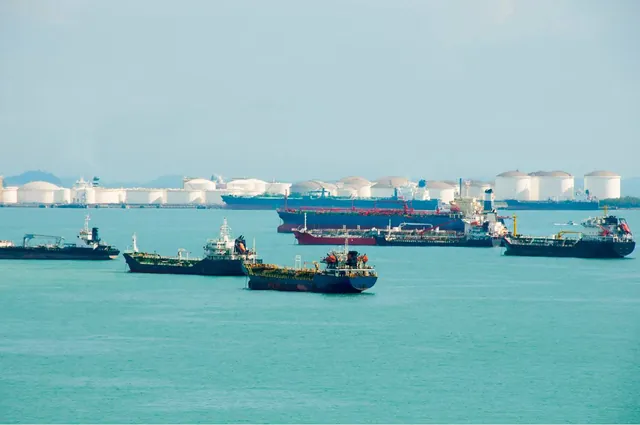
The Strait of Hormuz, which connects the Persian Gulf to the Arabian Sea, accounts for approximately 20% of the world's oil supply. The waterway has been a major flashpoint in recent days, with Iran's military actions causing widespread disruption to shipping lanes. Trump's call on other nations to help secure the strait underscores the critical role that international cooperation plays in maintaining global energy stability.
The Trump administration is reportedly in talks with China, France, Japan, South Korea, Britain, and other countries about forming a coalition to escort ships through the Strait of Hormuz. While details of the proposed arrangement remain scarce, officials say that multiple nations have expressed interest in participating in the effort.
Despite Iran's claims of being 'stable and strong' and ready to defend itself, US officials are confident that the conflict will soon come to an end. They point to the fact that several countries have already offered support for the US position, including Saudi Arabia and the United Arab Emirates.
The White House has declined to comment on the specifics of its talks with other nations, but insiders say that Washington is keen to avoid a prolonged conflict that could further destabilize global energy markets. With oil prices at historic highs, there is growing pressure on the Trump administration to find a swift resolution to the crisis.
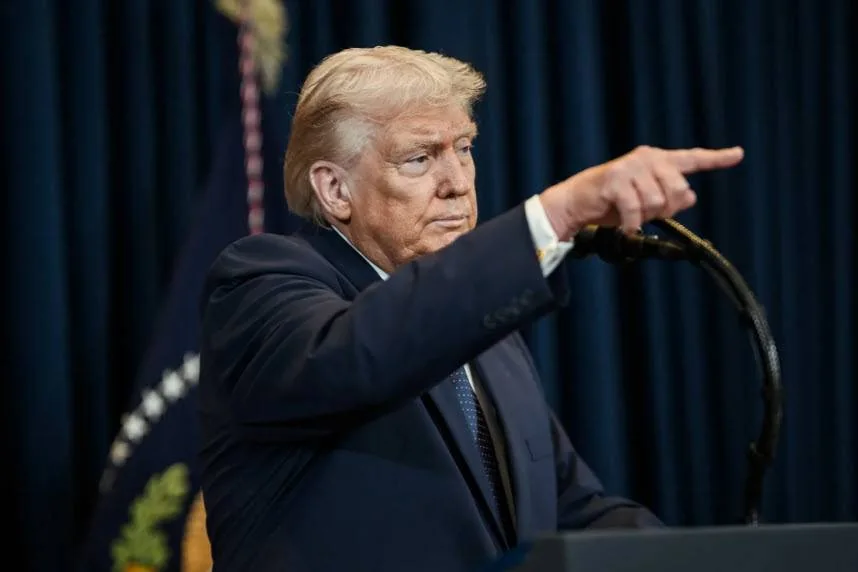
Trump's comments on Sunday came as he boarded Air Force One en route from Florida to Washington. The President reiterated his assertion that Iran wants to negotiate an end to the conflict, but Iranian Foreign Minister Abbas Araqchi has disputed this claim. Araqchi told CBS' 'Face the Nation' program that Iran has never asked for a ceasefire or negotiations.
The Trump administration's proposal for a coalition to escort ships through the Strait of Hormuz is seen as a key step in addressing the growing concern over global energy security. The effort highlights the critical role that international cooperation plays in maintaining stability in the region and ensuring the free flow of oil supplies.
US Energy Secretary Chris Wright has predicted that the conflict will soon come to an end, with crude oil prices potentially rebounding after a period of high volatility. While there is still uncertainty over the timing and details of any potential deal, officials say that all signs point to a relatively swift resolution to the crisis.
The Trump administration's efforts to secure the Strait of Hormuz are part of a broader strategy to address the rising cost of oil prices. As the US economy continues to grapple with the challenges posed by high energy costs, there is growing pressure on policymakers to find a solution that balances national security concerns with economic stability.
The Trump administration's proposal for a coalition to escort ships through the Strait of Hormuz highlights the growing concern over global energy security in the face of escalating tensions between the US and Iran.