
Tesla CEO Elon Musk recently stated that the company's unsold Cybertrucks could be used for intra-city autonomous deliveries. However, this plan is based on a misunderstanding of how shapes work and the Cybertruck's design limitations.
During Tesla's Q4 earnings call, analysts asked about the future of the Cybertruck, which was initially marketed as a hyper-utility vehicle. Despite its best efforts, the Cybertruck has failed to meet sales expectations and has fallen orders of magnitude short of its goals.
In response to this question, Tesla VP Lars Moravy stated that the Cybertruck is selling well and that the company designs its manufacturing lines to be flexible. However, the fact remains that the truck's inventory has built up due to poor sales.
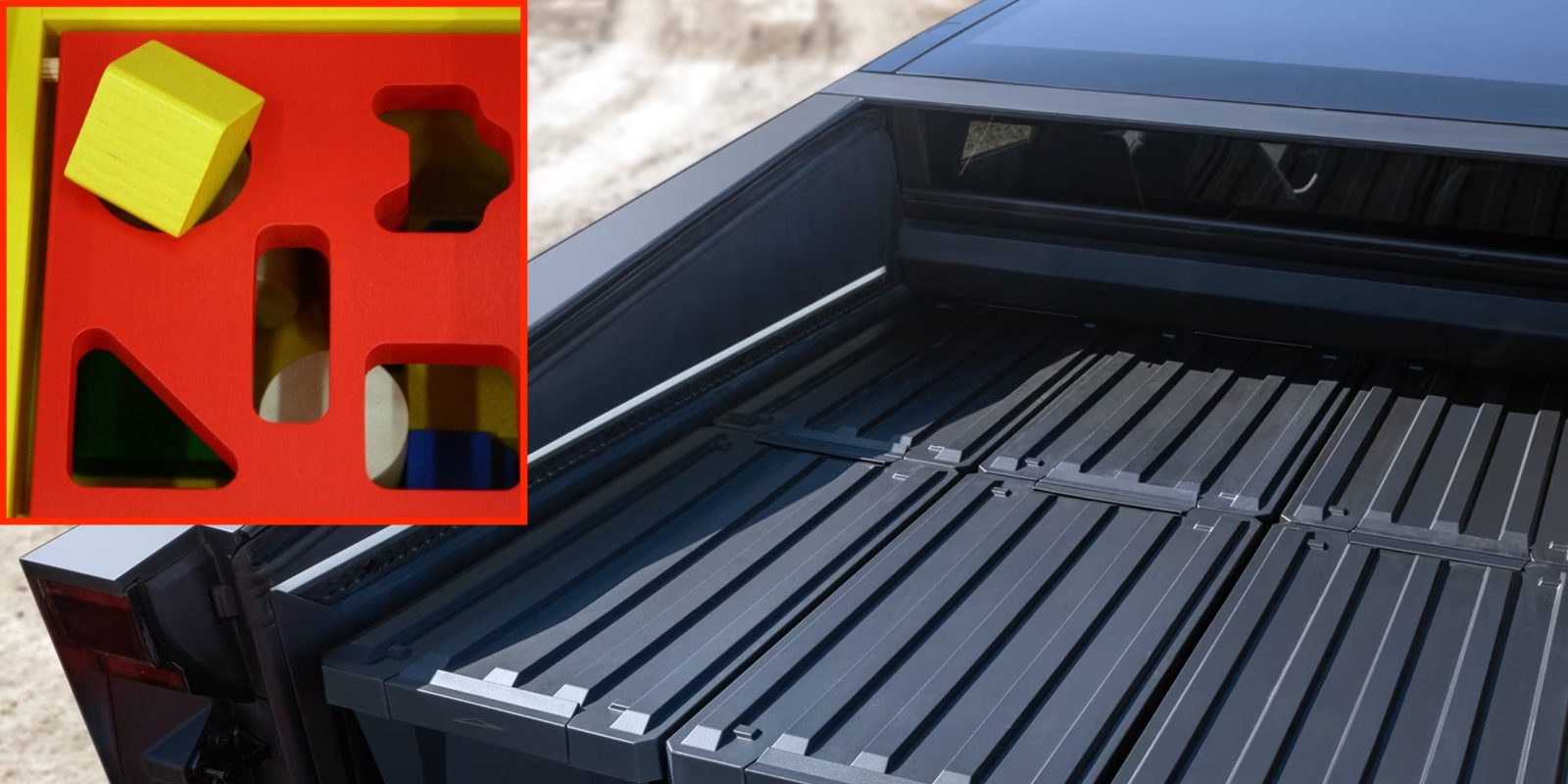
Musk followed up by suggesting that the Cybertruck could be used for autonomous deliveries, but this plan is also based on a flawed understanding of the vehicle's design. The Cybertruck's shape and size make it unsuitable for intra-city deliveries, which typically require smaller, more versatile vehicles with specific features such as cab-forward areas and large cargo boxes.
These features are not present in the Cybertruck, making it an unlikely candidate for this type of delivery. Despite its limitations, Tesla is exploring alternative uses for the Cybertruck, including selling them to SpaceX and using them for localized cargo deliveries within a few hundred miles.
However, these plans may also be based on a misunderstanding of the vehicle's capabilities and limitations.
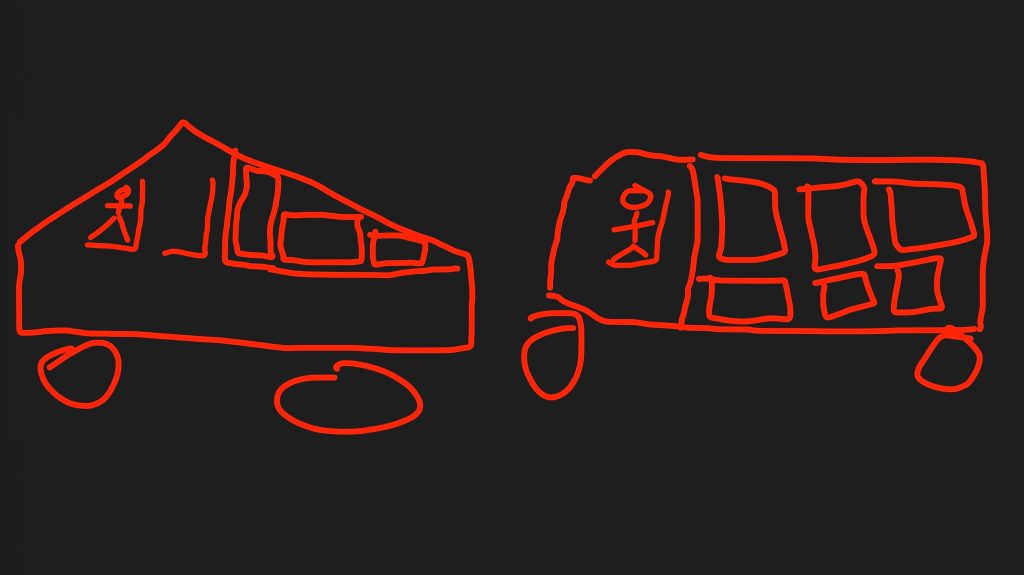
The idea that the Cybertruck could be used for intra-city autonomous deliveries is an optimistic one, but it overlooks the significant design limitations of the vehicle. The Cybertruck's shape and size make it less suitable for this type of delivery than more conventional cargo vans or trucks with specific features such as cab-forward areas and large cargo boxes.