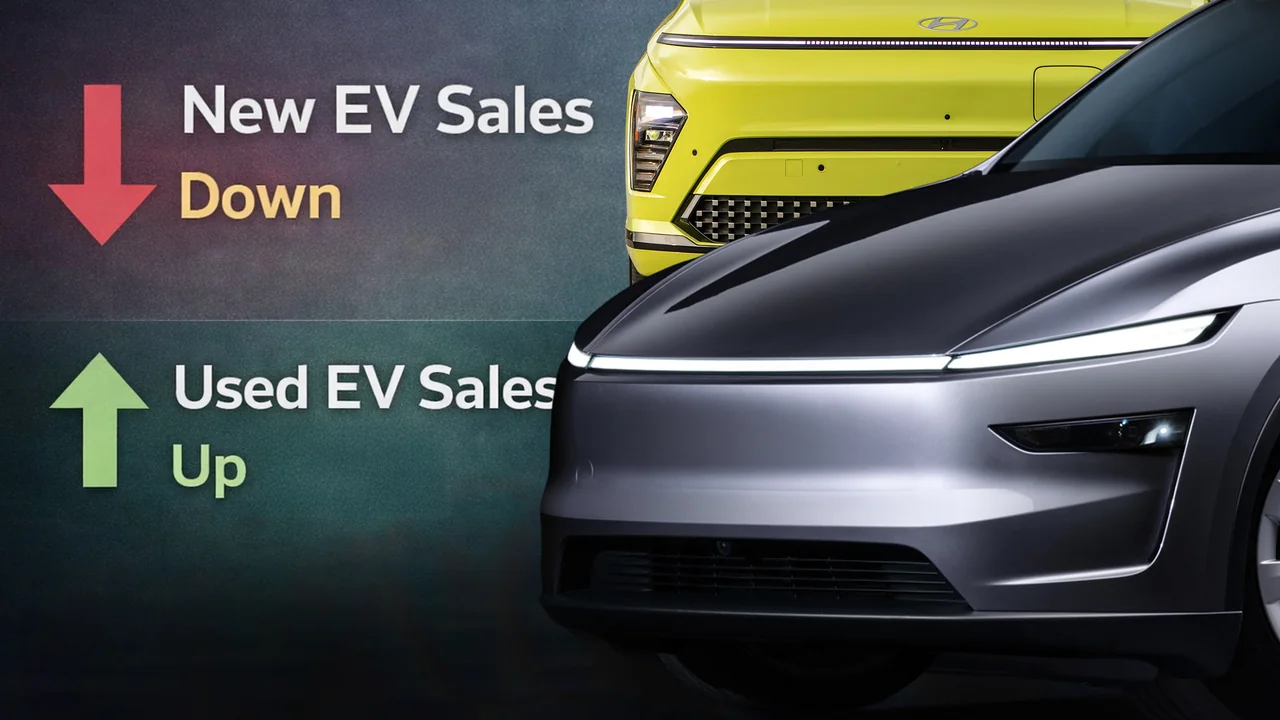
In February, the new electric vehicle (EV) market saw sales figures that were just under 69,000 units, which may not seem like a lot given the hype surrounding EVs. However, when you consider that this represents only a 5.8 percent increase compared to January and a 27 percent decrease from last year's numbers, it becomes clear that the market is facing some challenges. Despite this, there are signs of hope for the industry as buyers begin to opt for used EV models over new ones.
One of the main reasons behind this shift could be the recent gas price spike in the US, which may have led some drivers to reconsider their options. Additionally, the war in Iran has also had an impact on the market, causing prices to rise and potentially making buyers more interested in electric vehicles. However, these factors do not seem to be reflected in the sales figures for new EVs.
It's worth noting that while new EV sales have slowed down, incentives are playing a significant role in keeping buyers engaged. On average, incentives climbed to about $7,870 per vehicle, which is now accounting for more than 14 percent of the average transaction price. This suggests that automakers are relying heavily on discounts to keep buyers interested.
Tesla still leads the pack with around 38,500 units sold, but even the company's market share slipped 4 percent month over month as rivals started to gain ground. Chevrolet had a particularly strong month, with demand jumping 70 percent versus January, while Hyundai and Toyota also saw an increase in sales.
In contrast, Ford and Nissan's performances suffered, as did EV sales overall. This could be due to various factors such as increased competition or changes in consumer behavior. However, it's clear that the industry is facing some challenges and needs to find ways to adapt and innovate.
On a separate note, the used EV market is experiencing a quiet surge in demand. Sales jumped nearly 29 percent year over year, with almost 31,000 units finding new homes. This represents a modest 4.2 percent increase from January, pointing to steady month-over-month momentum.
Prices for used EVs are also dropping rapidly, with the average price now standing at just under $35,000. This is down more than 8 percent year over year and makes them far more tempting for budget-minded buyers. In fact, many used EVs now cost less than their gas-powered equivalents, which would have been hard to believe not long ago.
The report also notes that inventory is tightening, especially for used EVs, suggesting demand is finally starting to match supply as the market shifts from the oversupply headaches of recent months. This could lead to prices rising in the future, but for now, it's a positive sign for the industry.
Furthermore, the supply of used EVs has dropped to about 42 days, which is now slightly exceeding comparable gas vehicle levels for the first time in nearly a year. This indicates that demand is finally starting to catch up with supply, and it will be interesting to see how this trend develops in the coming months.
The electric vehicle market is experiencing a shift towards used models, driven by decreasing prices and increasing demand.