

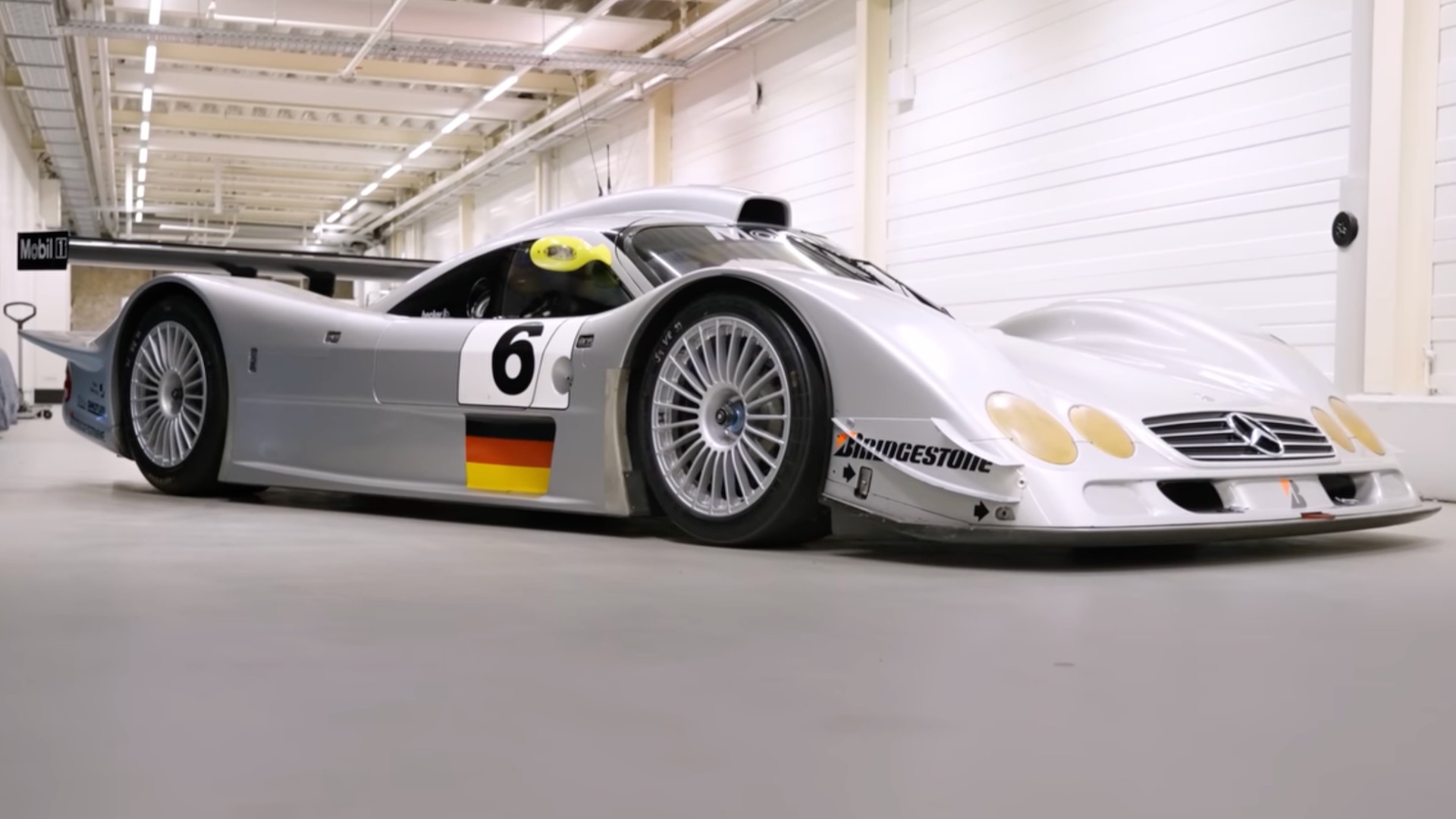
The Mercedes-Benz CLR is infamous for its three flips at the 1999 24 Hours of Le Mans, but a recent video examination reveals the full story behind this notorious car. The CLR was built to LMGTP rules, which allowed Mercedes to dispense with road-car pretension and focus on dedicated prototype racing.
The car's design was influenced by the CLK GTR and CLK LM, which were built for the GT1 ruleset that dominated endurance racing in the late 1990s. However, the CLR's bodywork, with its long front and rear overhangs, ultimately proved to be its undoing. This design choice led to a lack of balance in downforce between the front and rear ends.
Mercedes kept the CLK LM's V8 engine, but increased displacement from 5.0 liters to 5.7 liters, which produced around 600 horsepower. Despite extensive testing, the car struggled on high-speed straights, with future F1 driver Mark Webber experiencing two crashes during qualifying and a pre-race warmup.
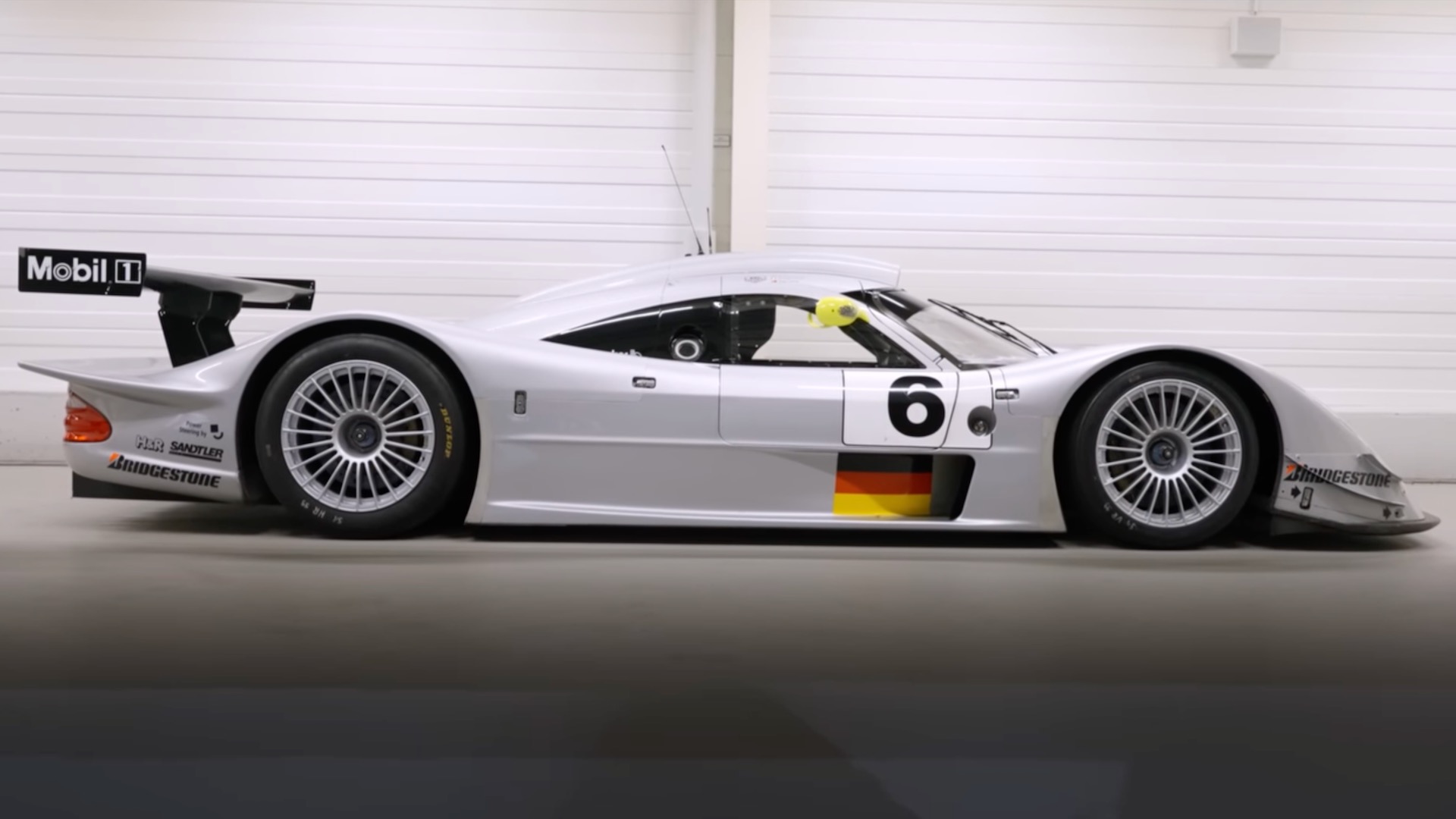
The low-rake setup took downforce off the front end but did not bring corresponding reductions at the rear, causing the front end to pitch up on the bumpy Circuit de la Sarthe. This allowed more air to get underneath, pushing the front end higher while the rear wing kept pushing down on the back of the car.
The wake from a car in front made things worse, highlighting the limitations of the CLR's design. The cleverest ideas of engineers don't always work in the real world, as seen in F1 with Aston Martin and Honda's current struggles.
Aston Martin and Honda are experiencing similar challenges, but at least their cars haven't taken to the air like the Mercedes CLR did. The CLR's high-speed handling issues serve as a reminder that aerodynamic performance can come at a cost to stability.

The Loh Collection in Germany now houses one of the surviving CLRs, which has been extensively documented in a recent video. This examination provides a detailed look at the car's design and its role in the 1999 Le Mans disaster.
Mercedes' decision to focus on aerodynamic performance over stability ultimately led to the CLR's downfall. The car's unique design may have been innovative, but it was not without its flaws.
The Mercedes CLR's story serves as a cautionary tale for engineers and designers who prioritize innovation over practicality.
The Mercedes CLR's high-speed handling issues were a result of its unique design, which prioritized aerodynamic performance over stability.