


The situation in the Gulf has taken a dangerous turn as US President Donald Trump issued a 48-hour ultimatum to Iran, threatening to attack energy and desalination facilities if Tehran does not fully reopen the Strait of Hormuz. The Iranian government has responded by stating that it will attack US infrastructure as well as energy and desalination facilities in the Gulf if Trump's threat is carried out.
The risks of a widening regional conflict are acute, especially for desert countries whose populations and economies depend on water-making facilities such as desalination plants. These critical infrastructure are exposed to any escalation targeting energy and infrastructure, leaving them vulnerable to attack. The situation highlights the importance of diplomacy in preventing further escalation.
Trump's threat has placed a 48-hour ticking time bomb of elevated uncertainty over markets, according to IG market analyst Tony Sycamore. Stock markets are expected to fall on Monday as energy supplies remain strained. The oil price surge last week, which saw prices jump to their highest in nearly four years, is a reflection of the growing concerns over the region.
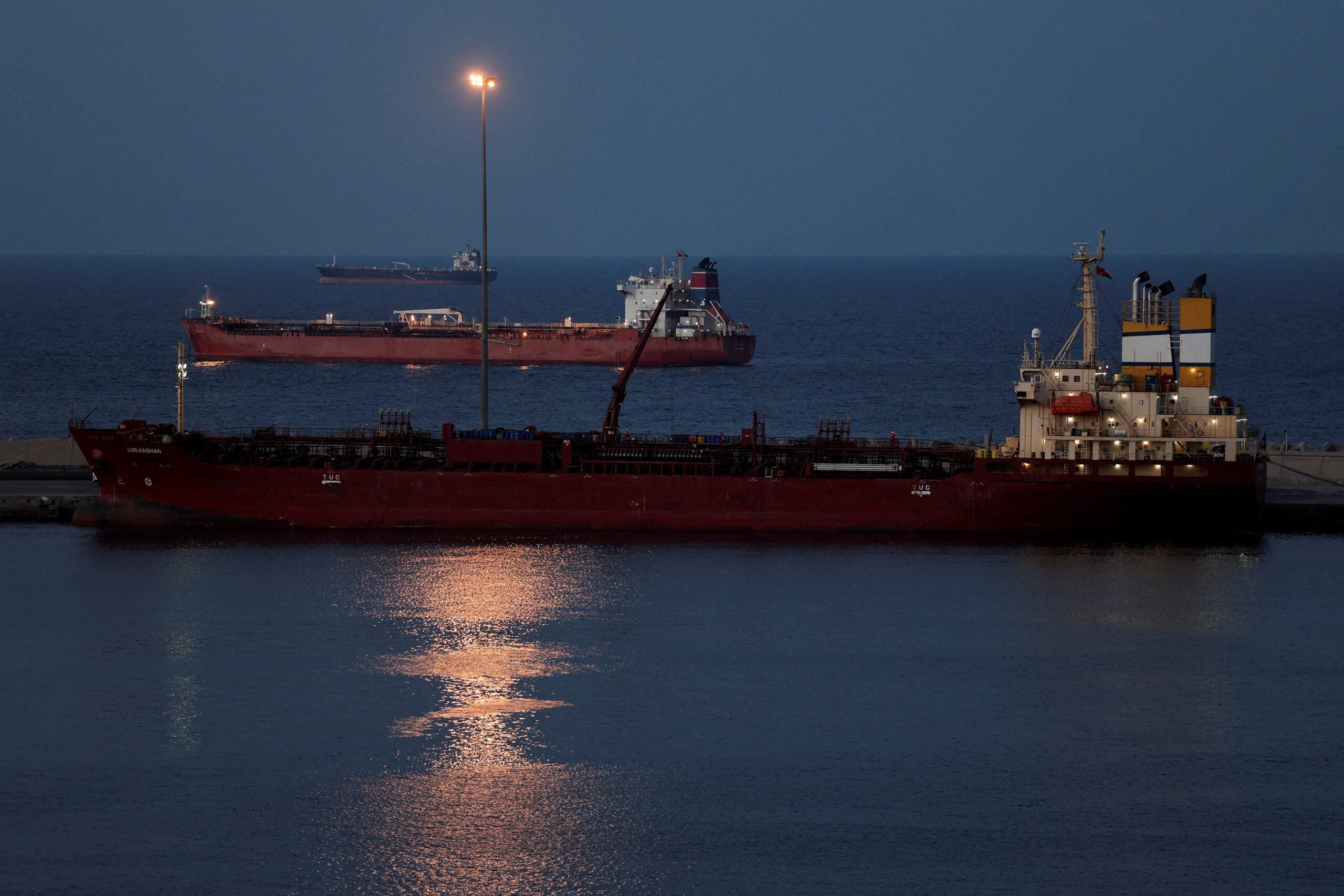
The near-closure of the Strait of Hormuz has caused significant disruptions to global oil and liquefied natural gas supplies. Its closure sent European gas prices surging as much as 35% last week. The situation has also had a profound impact on global markets, with fuel costs spiking and inflation fears growing.
The Gulf region is home to several countries that rely heavily on desalination plants for their water supply. These countries include Qatar, Bahrain, and Kuwait, which sit along the shoreline of the Gulf with no alternative coastline. The threat of a regional conflict has heightened concerns over the security of these critical infrastructure.
Iranian attacks have effectively closed the Strait of Hormuz, a narrow choke point that carries around a fifth of global oil and liquefied natural gas supplies. The attack on Israel's Arad and Dimona towns, which left scores of people injured, has further escalated tensions in the region.

The situation highlights the need for caution and restraint from all parties involved. Diplomatic efforts must be made to prevent further escalation and find a peaceful resolution to the conflict. The long-term consequences of a regional conflict would be severe and far-reaching.
More than 2,000 people have been killed during the war that began on February 28. The conflict has upended markets, spiked fuel costs, fueled global inflation fears, and convulsed the postwar Western alliance. The situation in the Gulf is a reflection of the growing tensions between Iran and its regional rivals.
As the situation in the Gulf continues to unfold, it is essential that all parties involved prioritize diplomacy and restraint. The world watches with bated breath as the situation teeters on the brink of further escalation.
The threat of a regional conflict deepens global markets' concerns over energy supplies and prices.


