



The Strait of Hormuz remains a critical chokepoint in global oil and liquefied natural gas supplies, with around a fifth of global trade passing through its narrow waters. The strategic location has made it a focal point for international attention and concern. The recent threat by the US President to target Iranian power plants if the strait was not fully open within 48 hours has heightened tensions in the region.
Iran's representative to the U.N. maritime agency, Ali Mousavi, has stated that the Strait of Hormuz remains open to all shipping except vessels linked to Iran's enemies. This clarification comes as a response to the US President's ultimatum, which aimed to pressure Iran into fully opening the strait.
Mousavi emphasized that ships not belonging to Iran's enemies could pass through the strait by coordinating security and safety arrangements with Tehran. However, this compromise is unlikely to alleviate concerns among regional powers, given the history of tensions between Iran and its adversaries.
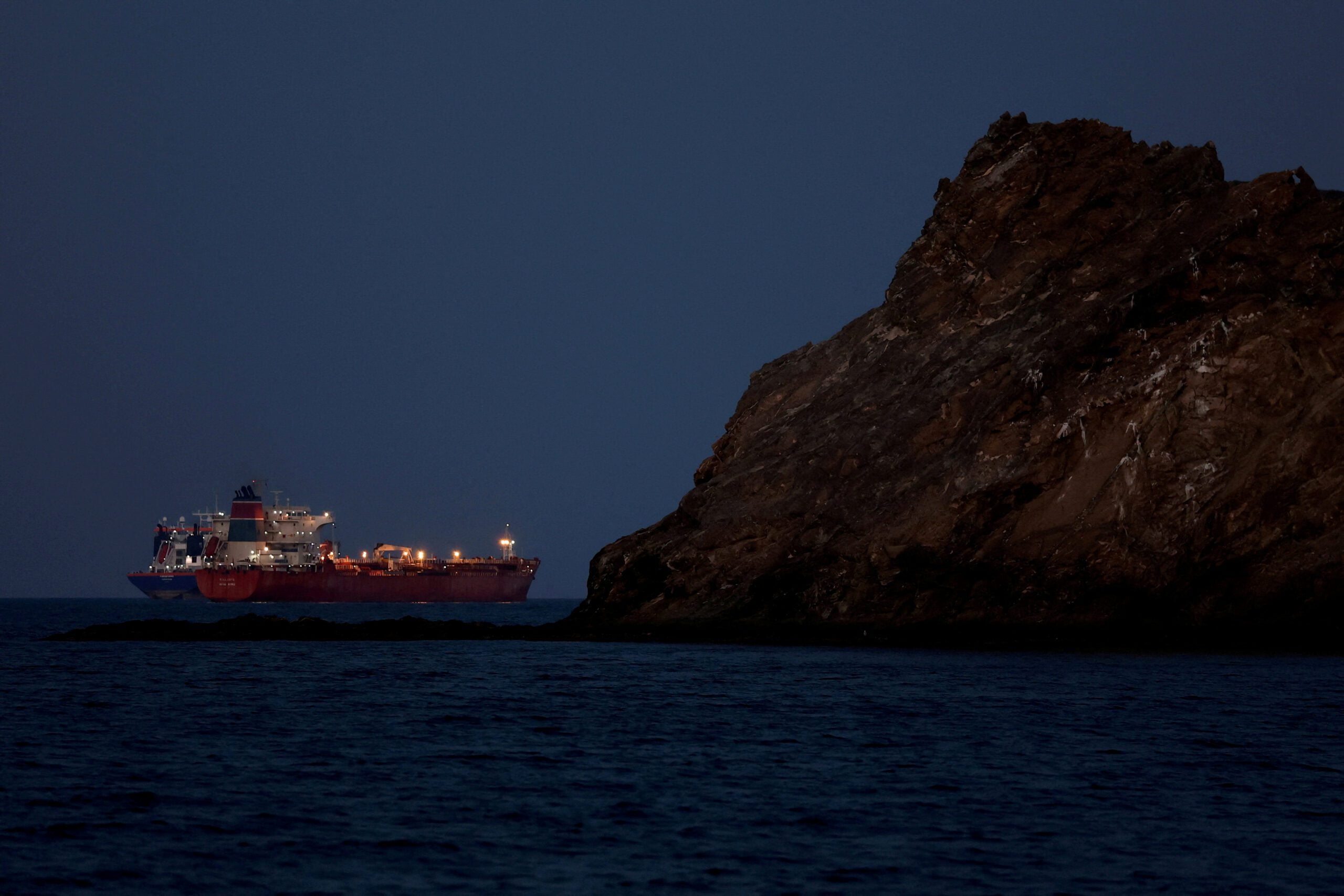
The Strait of Hormuz has been a source of contention for decades, with various nations vying for influence in the region. The recent surge in tensions has raised questions about the long-term stability of global energy supplies. As one of the world's most critical chokepoints, the strait's restricted access is likely to have far-reaching consequences.
The International Maritime Organisation (IMO) plays a crucial role in ensuring maritime safety and security in the Gulf region. Iran's commitment to cooperation with the IMO is seen as an effort to address concerns about vessel safety and security. However, this gesture may be viewed skeptically by some nations, given historical tensions between Iran and its regional rivals.
The US President's threat to target Iranian power plants has had a significant impact on global energy markets, leading to increased volatility in oil prices. The restricted access to the Strait of Hormuz is likely to exacerbate these concerns, as it reduces the region's ability to respond to disruptions in global energy supplies.

In light of this situation, it is essential for nations to prioritize diplomacy and cooperation to address regional tensions. A complete cessation of aggression and mutual trust are seen as more critical than any short-term gains from restricting access to the Strait of Hormuz.
The restricted access to the Strait of Hormuz highlights the ongoing challenges in ensuring global energy security. As a critical component of international trade, the strait's stability is vital for maintaining economic stability worldwide.
Ultimately, the situation at the Strait of Hormuz underscores the need for nations to engage in constructive dialogue and cooperation to address regional tensions and ensure the free flow of goods and services.
The Strait of Hormuz's restricted access highlights the ongoing tensions between Iran and its perceived enemies, with far-reaching implications for global energy supplies.


