

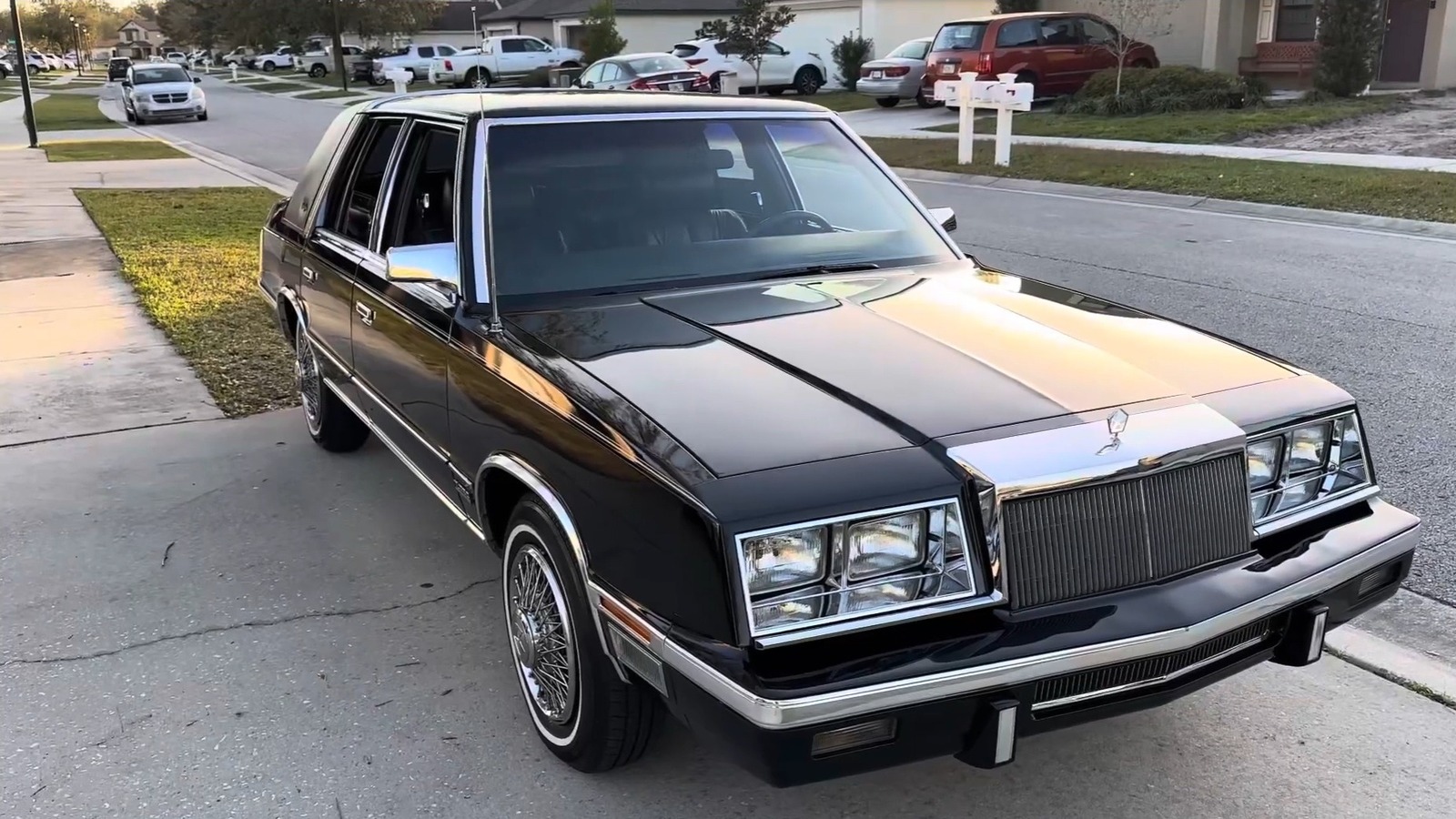
In a recent NBC poll, 46% of respondents expressed unfavorable opinions towards artificial intelligence, sparking concerns that we're living in a dystopian nightmare where AI dominates our lives. However, this sentiment is vastly different from the 1980s when emerging technology was viewed with hope and excitement. Chrysler's Electronic Voice Alert (EVA) system, launched in 1983, was one of the first car features to utilize AI, featuring 11 prerecorded messages that would alert drivers to various systems issues.
Chrysler's EVA system was a precursor to modern driver assistance technology, which has advanced significantly over the years. Consumer Reports testers have expressed disdain for some cars' ADAS systems, with one evaluator screaming in frustration at Volvo's EX30 due to its incessant prompting to stay focused on the road ahead. The increasing use of AI in cars has raised concerns about the potential for these systems to become overwhelming and distracting.
The trend towards advanced driver assistance systems (ADAS) continues to grow, with brands adding features like driver attention warnings and lane-keeping assist functions. Government regulators are also taking notice, with bills aimed at making ADAS functions a matter of law. However, some argue that this goes beyond safety and into a world where every vehicle has a built-in backseat driver, constantly scolding away.

Kristin Kolodge, executive director at J.D. Power's Interface Research, notes that these systems may come across as 'a nagging parent; no one wants to be constantly told they aren't doing something right'. This sentiment is echoed by the fact that Chrysler included a button to shut off EVA in the glove compartment, suggesting that some drivers found it bothersome.
The AI-powered car of today is vastly different from the futuristic concept of the 1980s. While Chrysler's EVA system was seen as highly advanced at the time, modern cars feature sophisticated voice assistants like Amazon's Alexa. However, these systems often have a robotic sound quality that may be jarring to some drivers.
The inclusion of AI-powered features in cars has sparked concerns about the potential for these systems to become overwhelming and distracting. With the number of systems in modern cars monitoring the driver and, in some cases, ready to take away momentary control, a nagging robotic voice over the audio speakers doesn't seem too out of place today.
As AI continues to advance in the automotive industry, it's essential to consider the potential impact on drivers. While these systems may improve safety and convenience, they also raise concerns about driver attention and distraction. It's crucial to strike a balance between technological advancements and driver comfort.
The future of AI-powered cars is uncertain, but one thing is clear: the trend towards advanced driver assistance systems will continue to shape the automotive industry. As we move forward, it's essential to prioritize driver safety and comfort while also exploring new technologies that can improve our driving experiences.
The increasing prevalence of AI in cars raises concerns about the potential for nagging voice assistants to become overwhelming and distracting.