

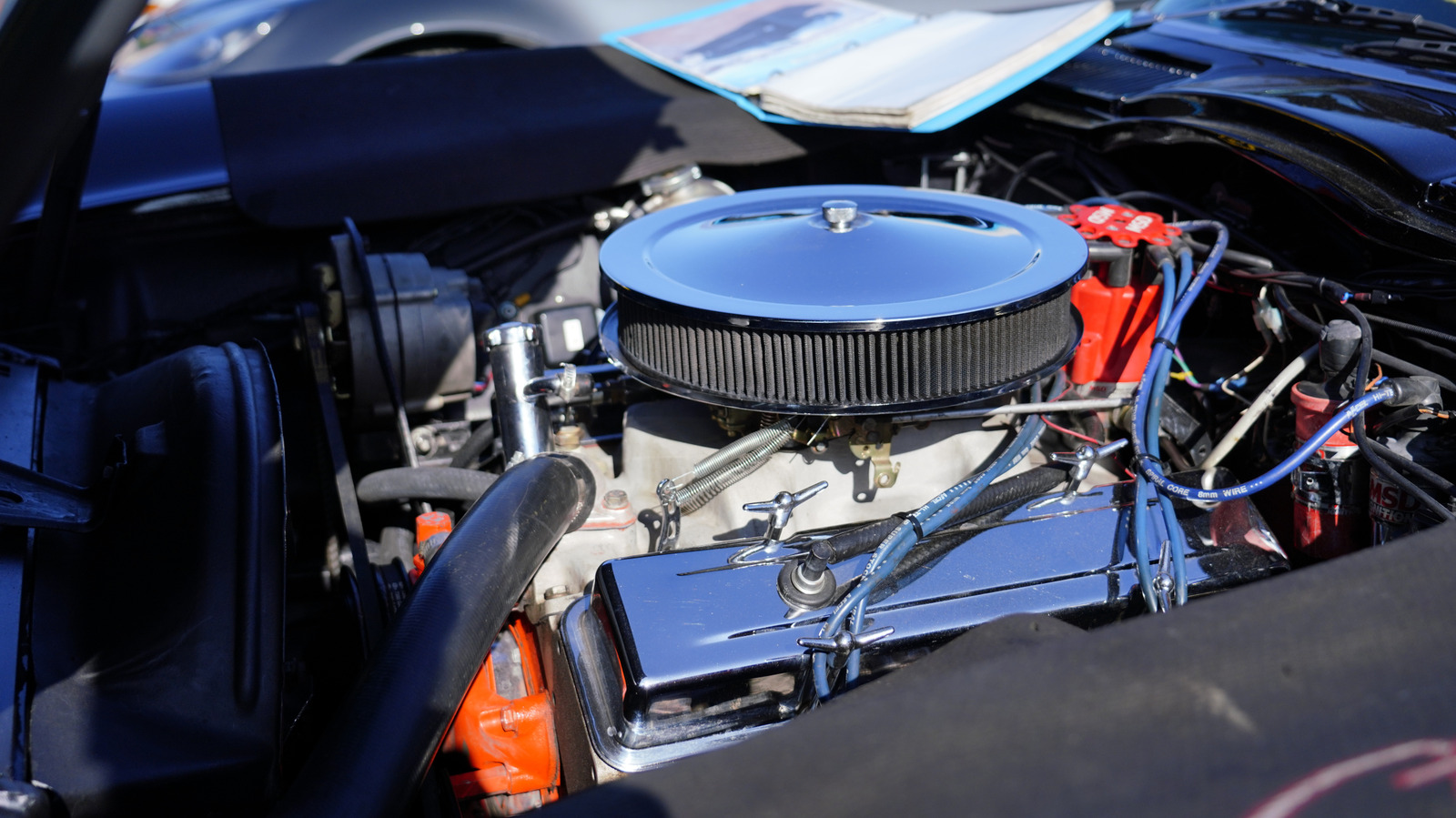
The small-block V8 has long been a staple of American muscle cars, and within this family, the LT1 has earned a special place in the hearts of enthusiasts. From its humble beginnings as a 1970 Chevrolet engine to its modern-day counterparts, the LT1 nameplate has undergone significant transformations, driven by advances in technology and shifting market demands. This article delves into the history of the LT1 V8, exploring its development, key features, and impact on the automotive industry.
The original LT-1, launched in 1970, was a game-changer in terms of power output and performance. With 11.0:1 compression, a solid-lifter camshaft, and a high-rise aluminum intake, this engine produced an astonishing 370 horsepower in the Corvette and 360 horsepower in the Camaro Z28. Its ability to rev up to 6,500 RPM made it a mechanical symphony, but its reign was short-lived due to the introduction of unleaded fuel, which reduced its output to 330 horsepower.
The LT-1's impact on the small-block era cannot be overstated. It set the standard for what a small-displacement V8 could achieve, and its influence can still be seen in modern engines. The engine's use of a solid-lifter camshaft and high-compression ratio was particularly noteworthy, as it provided a unique combination of power and efficiency.
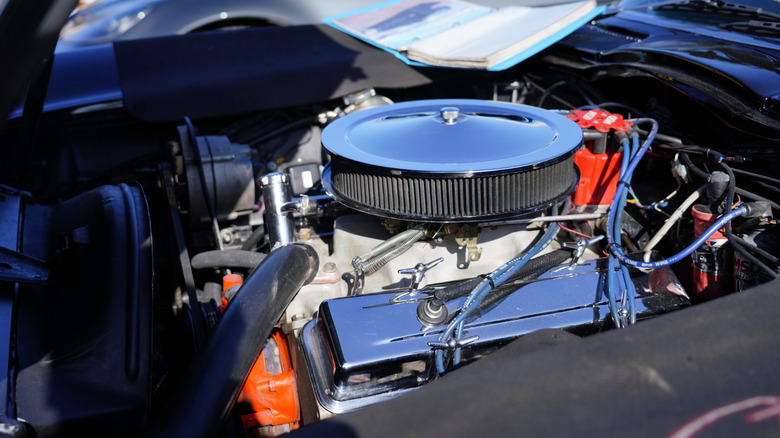
The LT-1's legacy continued with the introduction of the Gen II 'LT1' in 1992 for the C4 Corvette. This new iteration focused on thermal efficiency and digital technology, rather than pure mechanical brute force. The reverse-flow cooling system, which sent coolant to the heads first, was a significant innovation that allowed the engine to run at higher compression ratios and reduce knocking.
The Gen II LT1's performance was impressive, with 300 horsepower on tap. However, its success was not without controversy, particularly surrounding the 'Optispark' high-resolution optical distributor. This sensitive component was prone to moisture issues, which raised concerns about its reliability.
Despite these challenges, the LT1 nameplate has remained a subject of fascination among engine enthusiasts. Its evolution reflects GM's approach to innovation and efficiency, as well as its willingness to take risks and push boundaries. The use of the 'LT1' nameplate has become synonymous with performance and power, and its impact on the automotive industry cannot be overstated.

The LT1 V8 has come a long way since its introduction in 1970. From its mechanical brute force to its modern-day digital efficiency, this engine has consistently pushed the boundaries of what is possible in terms of power and performance. Its influence can still be seen in modern engines, and its legacy continues to inspire enthusiasts and engineers alike.
The story of the LT1 V8 is one of innovation, perseverance, and a commitment to excellence. From its humble beginnings as a 1970 Chevrolet engine to its modern-day counterparts, this engine has earned a special place in the hearts of enthusiasts. Its impact on the automotive industry will be felt for generations to come.
As we look to the future, it is clear that the LT1 V8 will continue to play a significant role in shaping the performance landscape. With its rich history and impressive legacy, this engine remains an iconic symbol of American muscle cars, and its influence will undoubtedly be felt for years to come.
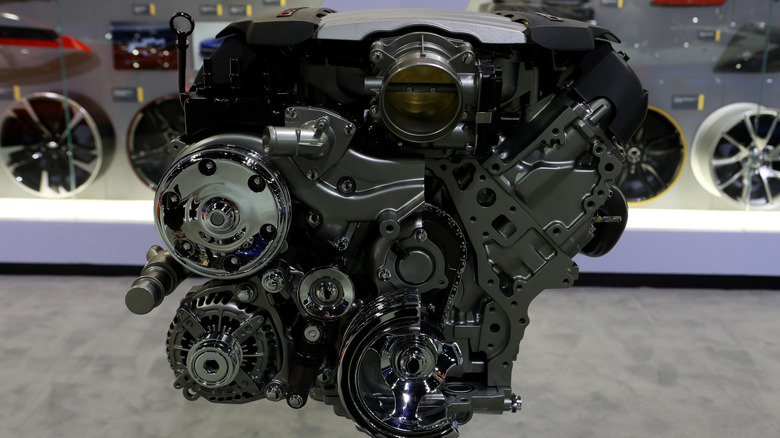
The use of the 'LT1' nameplate has been a subject of fascination among engine enthusiasts, with its evolution reflecting GM's approach to innovation and efficiency.