
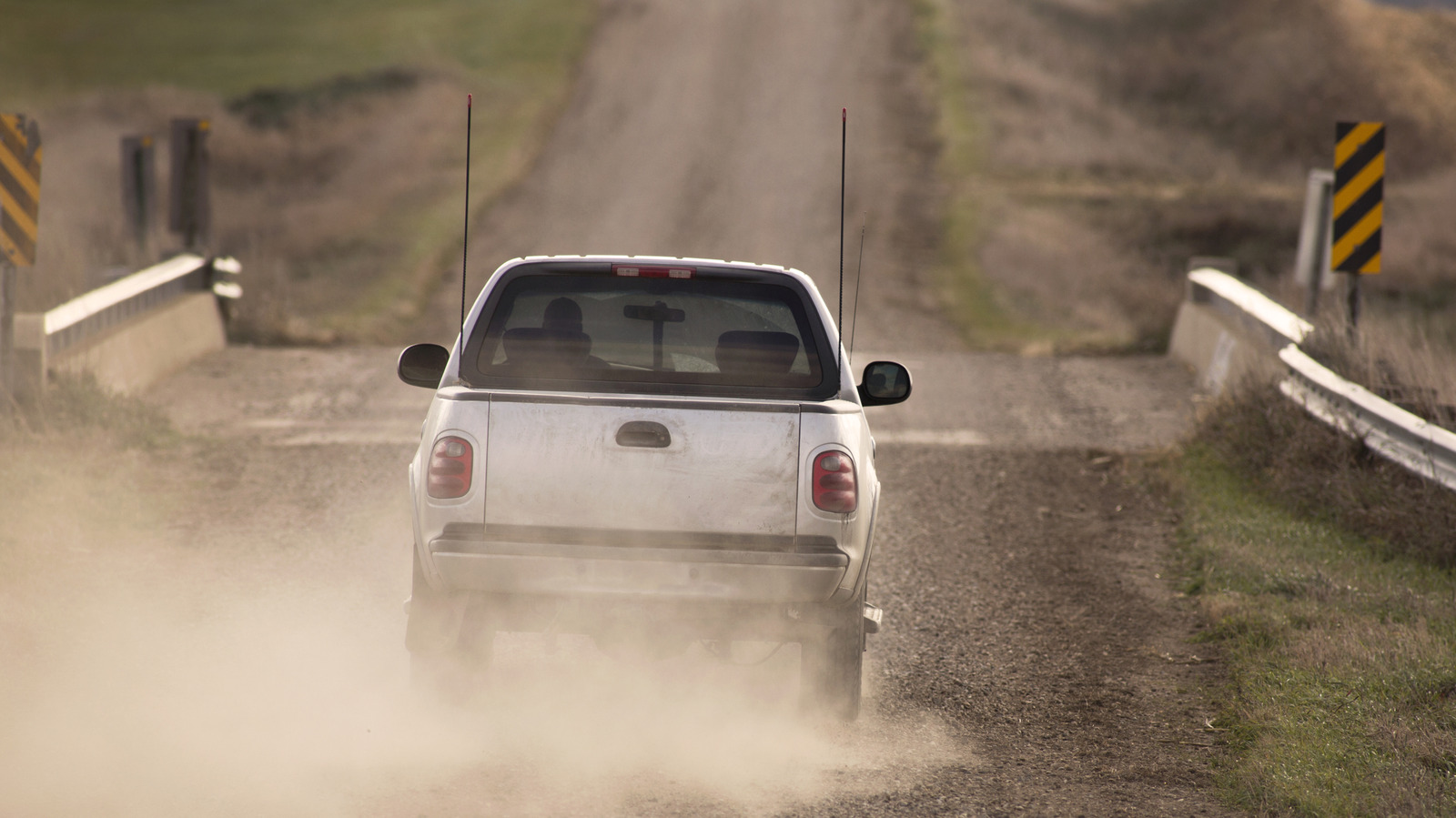
Dirt roads in the United States have a default speed limit that varies from state to state. While it may seem counterintuitive, each state has its own set of rules governing speed limits on unpaved roads. Local municipalities can adjust these limits with signage, but they must follow specific guidelines. The lower speed limits are often necessary due to the rough conditions and potential hazards associated with dirt roads.
The default speed limit for dirt roads in most states is relatively low, ranging from 20 mph in New Jersey to 45 mph in Wyoming. However, some states have higher limits, such as Pennsylvania's 55 mph. These lower limits are often a result of the need to balance safety and maintenance on these types of roads.
Speed limits on dirt roads are not just about safety; they also play a crucial role in preventing property damage. When drivers speed on unpaved roads, it can cause significant wear and tear on the road surface, leading to further problems for other drivers. This is especially true in areas where residential and commercial traffic mix, as speeding can lead to head-on collisions on narrow roads with loose surfaces.
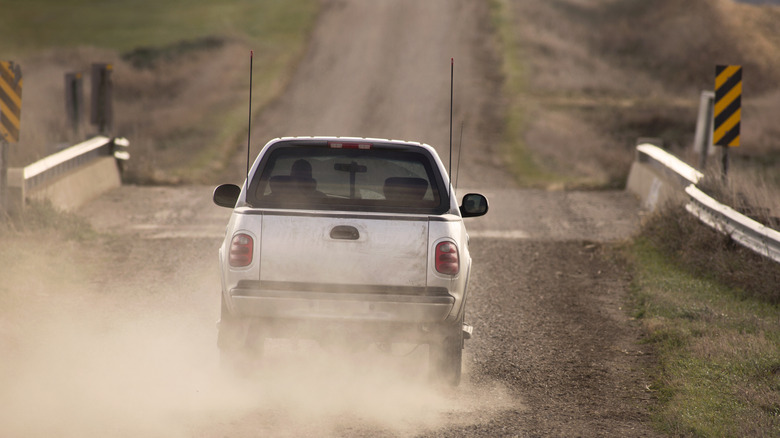
Despite the potential risks associated with dirt roads, some drivers may be tempted to speed due to the perceived benefits. However, this is often a misconception. In reality, speeding on dirt roads can actually make the experience less comfortable for drivers. The rough and bumpy road surface can cause discomfort and even injury if driven at high speeds.
The conditions on dirt roads can be particularly challenging, with loose surfaces and tight corners that require careful navigation. Maintaining a reasonable speed is essential to reducing accidents and ensuring safe passage. According to the Federal Highway Administration, only two percent of fatalities occur on unpaved roads nationwide, but this number can balloon to 20% in some rural states.
Speed limits on dirt roads are often seen as a necessary evil, but they do serve a purpose. By setting a default speed limit, states can help prevent accidents and property damage while also promoting safe driving practices. This is particularly important in areas where residential and commercial traffic mix, as it helps to reduce the risk of head-on collisions.
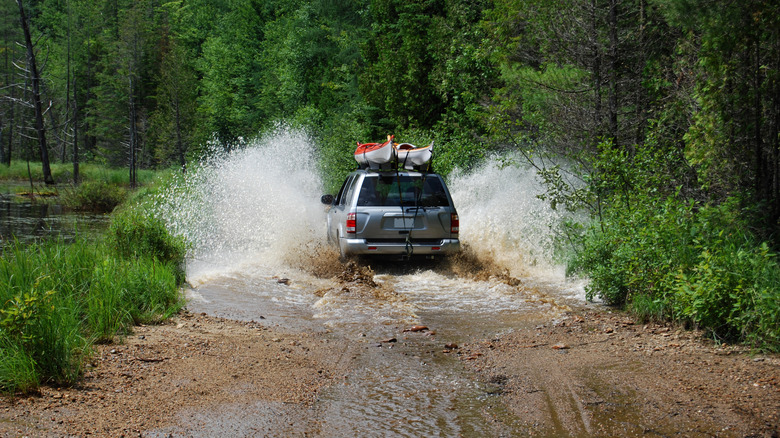
Despite the potential benefits of speeding on dirt roads, the risks far outweigh any perceived advantages. The rough surface and loose gravel can cause significant discomfort and even injury if driven at high speeds. Additionally, speeding can lead to increased wear and tear on the road surface, making it worse for other drivers in the long run.
In conclusion, default speed limits on dirt roads are often lower than expected but necessary for safety and maintenance. By setting a reasonable speed limit, states can help prevent accidents and property damage while promoting safe driving practices.
The conditions on dirt roads can be challenging, but with careful navigation and a reasonable speed limit, drivers can minimize the risks associated with these types of roads. It is essential to prioritize safety and follow the posted speed limits to ensure a smooth and enjoyable driving experience.
Default speed limits on dirt roads are often lower than expected, but necessary for safety and maintenance.