

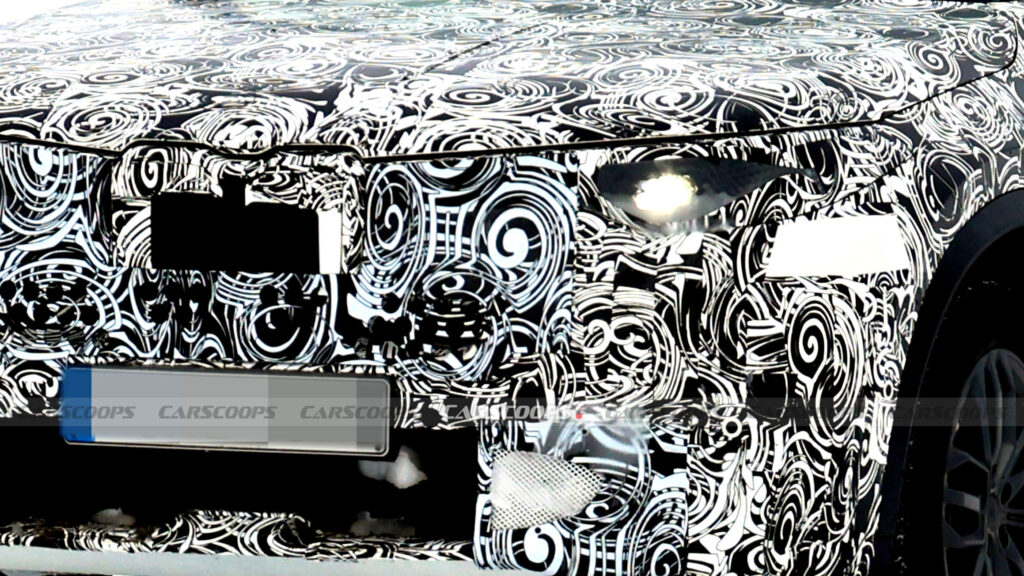
BMW's latest baby SUV has made headlines for its striking design, which pays homage to the iconic Neue Klasse era. The model in question is the BMW X1, a compact luxury SUV that has been updated with a fresh new look. Despite not being directly inspired by the original Neue Klasse models, the X1's design shares many similarities with them, including its sloping roofline and angular lines. This nostalgic nod to the past has generated significant interest among car enthusiasts and critics alike.
Designers at BMW have managed to strike a balance between paying homage to the past and creating a modern, forward-thinking vehicle that appeals to a wider audience. The result is a design that is both retro-inspired and futuristic, making it an attractive option for those looking for a unique driving experience. However, some may argue that this approach could be seen as a marketing ploy to attract buyers who are drawn to the brand's heritage.
The BMW X1's design is not just about aesthetics; it also reflects the company's commitment to innovation and technological advancements. The vehicle features a range of modern safety features, including advanced driver assistance systems and a comprehensive suite of infotainment options. This emphasis on technology and safety underscores the importance of creating vehicles that are both desirable and practical.
Despite its modern features, the BMW X1 still retains many of the characteristics that made the original Neue Klasse models so beloved by car enthusiasts. Its compact size and agile handling make it an ideal choice for urban driving, while its spacious interior and comfortable ride ensure that passengers can enjoy a relaxed journey. However, some may find the X1's design to be somewhat polarizing, with some critics arguing that it is too aggressive or angular.
The BMW X1's design has also been praised for its attention to detail and commitment to quality craftsmanship. The vehicle's interior features premium materials and finishes, while its exterior design is characterized by a range of subtle nuances that add depth and complexity to the overall aesthetic. This focus on craftsmanship and attention to detail helps to set the X1 apart from more mass-market competitors.
In terms of performance, the BMW X1 offers a range of engine options that cater to different driving styles and preferences. From the entry-level petrol model to the high-performance diesel variant, there is an X1 to suit every need. This flexibility makes the vehicle an attractive option for buyers who want a versatile and capable SUV.
The BMW X1's design has also been subject to intense scrutiny from car enthusiasts and critics alike. While some have praised its bold and modern aesthetic, others have criticized its perceived lack of subtlety or restraint. However, it is worth noting that the X1's design is not just about aesthetics; it is also a reflection of the company's commitment to innovation and technological advancements.
The BMW X1 represents an interesting trend in the automotive industry, where manufacturers are increasingly looking to the past for inspiration while still pushing the boundaries of modern design. This approach can be seen as both a strength and a weakness, depending on one's perspective. However, it is undeniable that the X1 has generated significant interest and attention among car enthusiasts and critics alike.
As the automotive industry continues to evolve and adapt to changing consumer preferences, it will be interesting to see how manufacturers like BMW balance their commitment to heritage and tradition with their need for innovation and progress. The BMW X1's design is a prime example of this delicate balancing act, offering a unique blend of modernity and nostalgia that is sure to appeal to a wide range of buyers.
The automotive industry is witnessing a shift towards more aggressive and modern designs, with manufacturers incorporating elements of the 1970s-era Neue Klasse into their latest models.