

The US Consumer Product Safety Commission has issued a warning to riders of certain electric bikes due to a serious fire risk. The commission is urging owners to stop using these bikes immediately, but the manufacturer has refused to cooperate with a recall. This refusal leaves consumers without a clear path to refunds or replacements. The CPSC's notice is not an official recall, but rather a warning to owners of the apparent danger hidden in this specific manufacturer's e-bike.
The issue stems from the bikes' lithium-ion battery systems and associated wiring, which can ignite and pose a significant fire hazard. According to the CPSC, at least 11 incidents involving fires linked to these e-bikes have been reported, including one burn injury, five cases of smoke inhalation, and two instances of property damage totaling over $40,000. These incidents highlight the potential risks associated with cheap e-bike imports sold through online marketplaces.
The bikes in question feature a 48V20Ah battery and were advertised with a UL logo, although it's unclear whether this certification was actually obtained from Underwrite Laboratories. It's worth noting that low-cost e-bike manufacturers rarely obtain official safety certifications like UL, making these products even more vulnerable to safety risks.
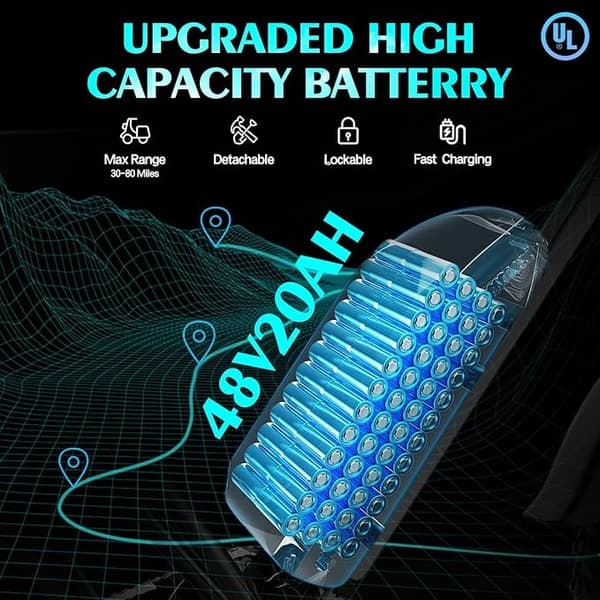
The CPSC warning goes beyond the usual 'stop using' guidance, urging consumers to remove the battery from the bike immediately and dispose of it through proper hazardous waste channels. This is crucial due to the heightened fire risk associated with lithium-ion batteries. Consumers should not throw the battery in the trash, place it in standard recycling streams, or drop it off at home improvement stores.
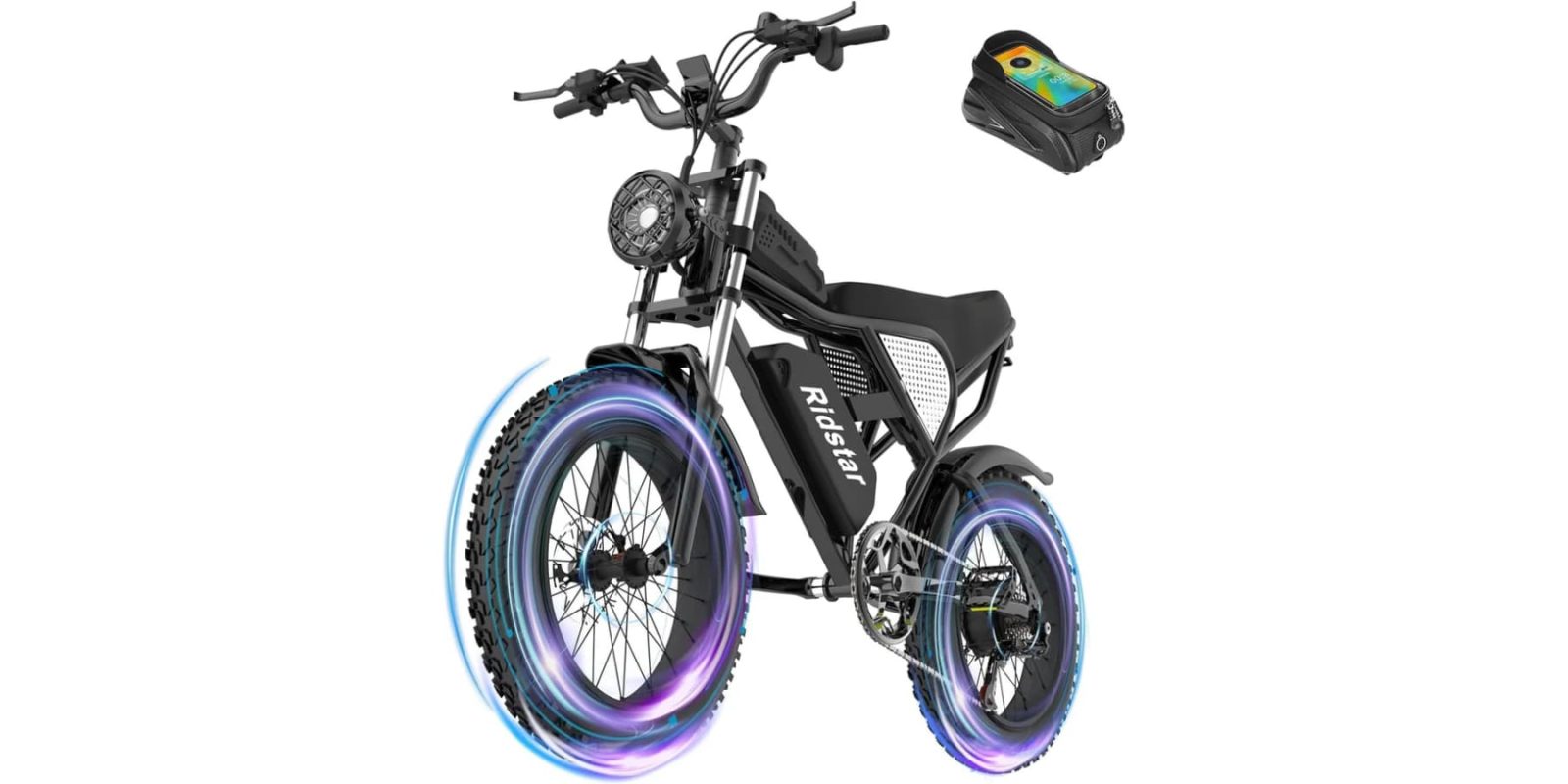
The affected bikes are sold under the Ridstar brand, with the Q20 and Q20 Pro models typically featuring black frames and a battery labeled with the Ridstar name. They were widely available through major online retailers including Amazon, Walmart, and the company's own website. Given their low price point of $700 or less, these e-bikes are seen as some of the cheapest options on the market.
The lack of cooperation from the manufacturer highlights an ongoing challenge in the e-bike industry, where low-cost imports can sometimes bypass safety oversight and accountability. This is a concerning trend that needs to be addressed through stronger regulations and enforcement.
The CPSC's warning serves as a reminder of the importance of prioritizing consumer safety in the e-bike industry. Manufacturers must take responsibility for ensuring their products meet minimum safety standards, and consumers should be aware of the potential risks associated with cheap e-bikes.
As the e-bike market continues to grow, it's essential that manufacturers prioritize safety and transparency. Consumers deserve to know about any potential safety issues with a product before purchasing it, and manufacturers must be held accountable for their actions.
The lack of cooperation from the manufacturer highlights the need for stronger regulations and oversight in the e-bike industry to ensure consumer safety.