

The 2026 C-HR is back, and this time it's fully electric. Toyota unveiled the C-HR EV last May as a new entry-level crossover SUV, but prices are slightly higher than anticipated. The C-HR EV starts at $37,000, with an MSRP of $39,000 for the XSE trim.
This makes it more expensive than the 2026 bZ, which starts at $34,900. The electric crossover is available in two trims: SE and XSE, with a standard all-wheel drive (AWD) setup that may contribute to its higher price point compared to the bZ, which offers front-wheel drive (FWD) and AWD powertrains. Despite this, the C-HR EV still boasts impressive performance, delivering up to 338 hp and a 0-60 mph time of about 5 seconds.
With an estimated driving range of up to 290 miles, the C-HR EV also features a built-in NACS port for charging at Tesla Superchargers. The electric SUV can recharge from 10% to 80% in about 30 minutes. In terms of size, the C-HR EV is slightly smaller than the bZ electric SUV, but still comparable to the Kia Niro or Volvo EX30.
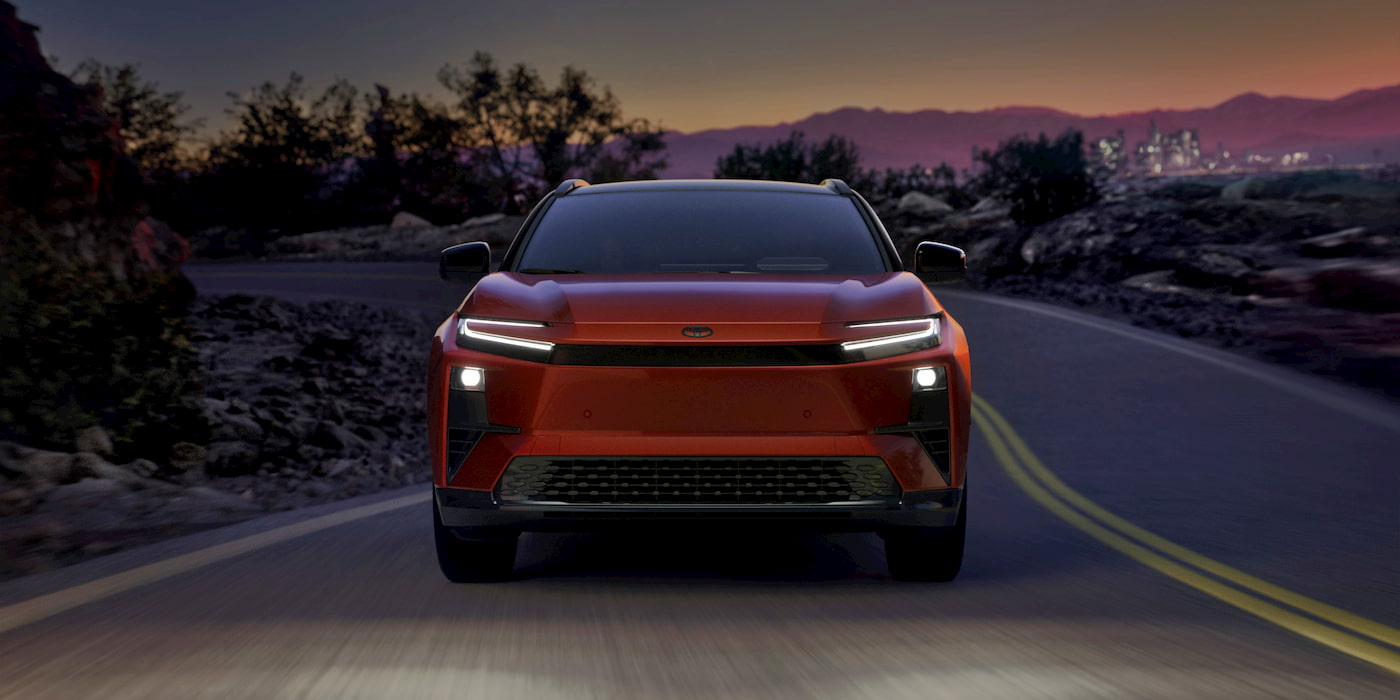
Inside, the crossover features an upgraded infotainment system with standard wireless Apple CarPlay and Android Auto. The XSE trim adds premium features such as 20-inch wheels, SofTex seats, and a Digital Rearview Mirror. With its impressive performance, range, and features, the C-HR EV is a compelling option for those in the market for an electric crossover SUV.
However, its higher price point may make it less accessible to some buyers compared to the bZ.
The C-HR EV's pricing strategy may be a deliberate move by Toyota to differentiate itself from competitors and establish a premium brand image. By offering more standard features and a more powerful dual-motor setup, Toyota is positioning the C-HR EV as a high-performance electric SUV that justifies its higher price point.