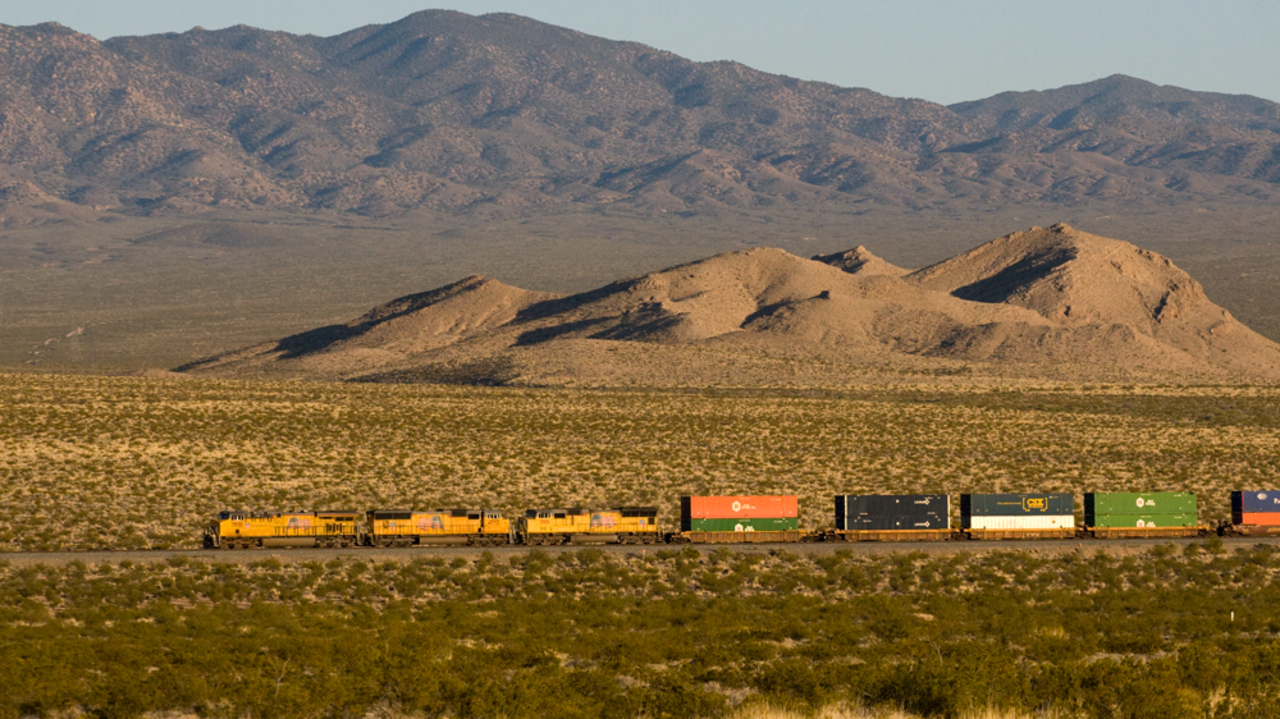

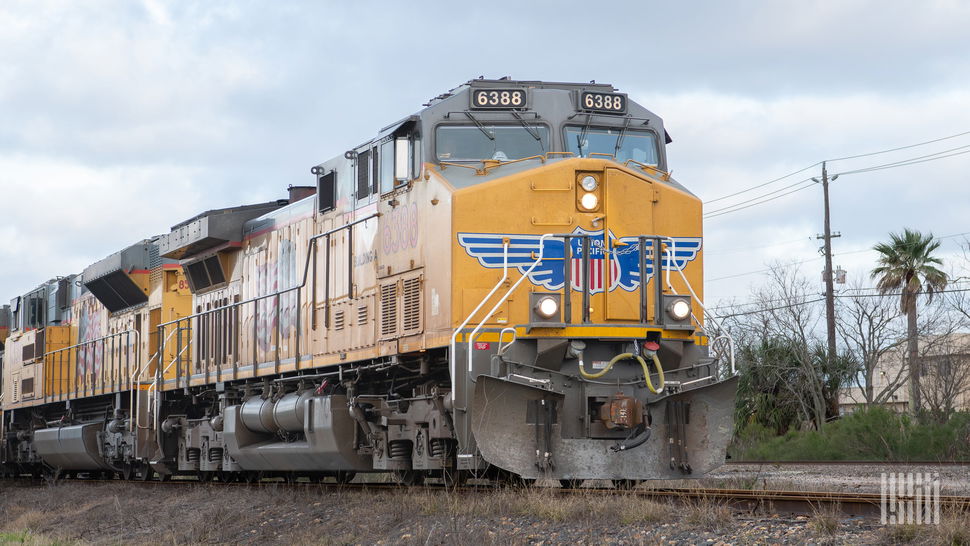
Union Pacific's CEO, Jim Vena, has stated that the railroad has enough capacity to handle merger-related traffic growth, thanks in part to the 24% reduction in active trains on the network since it fully adopted Precision Scheduled Railroading in 2019. This reduction has allowed UP to boost train length by 25% while handling its tonnage on 24% fewer trains.
The railroad's investment in terminal expansions, including at its key Englewood Yard in Houston, has also boosted capacity. Vena notes that these investments will enable the railroad to handle the influx of 2 million loads projected from the merger without spending or worrying about capacity constraints.
UP and NS have planned $1.1 billion on main line and terminal improvements, with most projects focused on lengthening sidings and adding sections of second main to permit the smooth operation of longer trains on Norfolk Southern's single-track former Wabash and Southern Railway routes.
The increased car velocity on UP has resulted in an 8% increase since 2019, with Vena stating that this increase benefits customers by reducing the need for cars to handle the same amount of product. This reduction in inventory will also lead to fewer touch points in the supply chain.
By eliminating interchange handlings, UP and NS aim to reduce transit times by 24-48 hours, which could lead to significant gains in efficiency. Industry executives have privately expressed that these gains could be even greater.
However, Vena has downplayed concerns about the impact on lineside communities, stating that the change is relatively small and won't have a major impact. He notes that the actual number of trains added will not be as significant as some people have made it out to be.
The railroads' operating plan projected launching two dozen new trains, split equally between intermodal and merchandise trains, but Vena has expressed confidence in the railroad's ability to handle this growth. He notes that other companies have underestimated the potential of the merger.
Vena has also highlighted the benefits of the merger for customers, including reduced inventory and fewer touch points in the supply chain. These changes will lead to increased efficiency and reduced costs for businesses relying on rail transportation.
Overall, Union Pacific's adoption of Precision Scheduled Railroading and its investment in terminal expansions have significantly improved its capacity to handle projected growth from the merger. The railroad is well-positioned to take advantage of this growth and provide efficient and reliable service to its customers.
Union Pacific's adoption of Precision Scheduled Railroading has significantly improved its capacity to handle projected growth from the merger.