


Self-driving robotaxis may soon hit the streets of London, but concerns over safety and cybersecurity remain as Waymo prepares to launch its service in the UK. The company's plans come amid growing competition from Uber and Lyft, which are also eyeing the city for their own autonomous ride-hailing services.
With new regulations allowing robotaxis to operate in London starting in the second half of this year, Waymo is taking advantage of the opportunity to bring its fully autonomous vehicle technology to the UK market. The company's UK rollout comes after a recent incident in California that raised questions about the safety of its robotaxis.
Despite these concerns, Waymo remains committed to bringing its self-driving robotaxis to London, with plans to launch a pilot service in April and expand to full operations as early as September. To ensure the vehicles can handle the complexities of London's roads, several of its vehicles are being tested with human safety drivers behind the wheel.
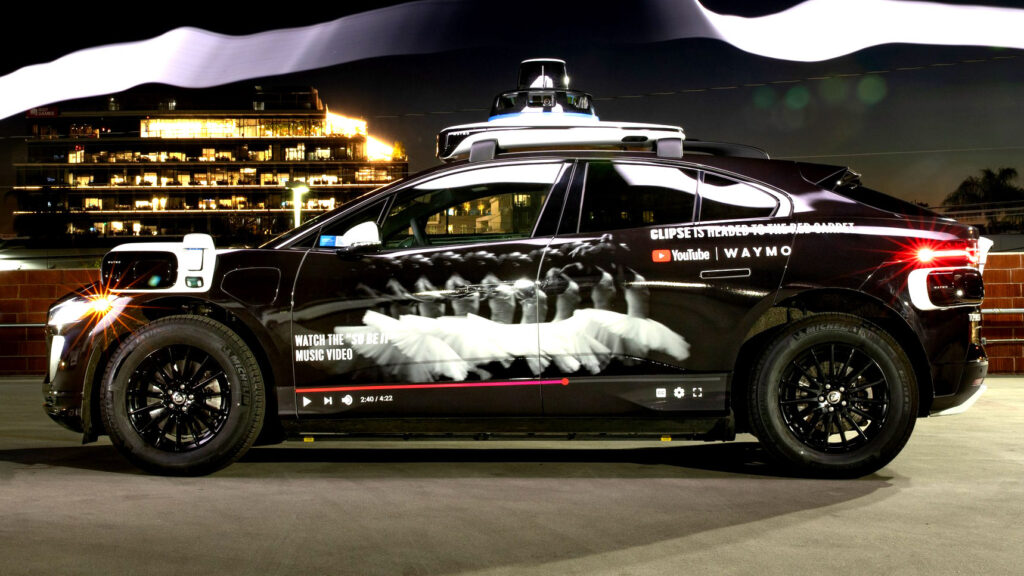
The company is also gathering data across the widest possible range of London streets using advanced cameras, lidar, and radar fitted to the Jaguar I-Pace models. With regulators clearing a path for autonomous vehicles, the city is shaping up to be a key battleground for the next phase of ride-hailing innovation.
As Waymo prepares to enter the London market, it will need to navigate these challenges while also ensuring that its robotaxis can meet the strict safety and cybersecurity standards set by regulatory bodies.
The launch of self-driving robotaxis in London marks an exciting milestone in the development of autonomous vehicle technology. However, as with any new technology, there are concerns about safety and cybersecurity that must be addressed to ensure public trust.