

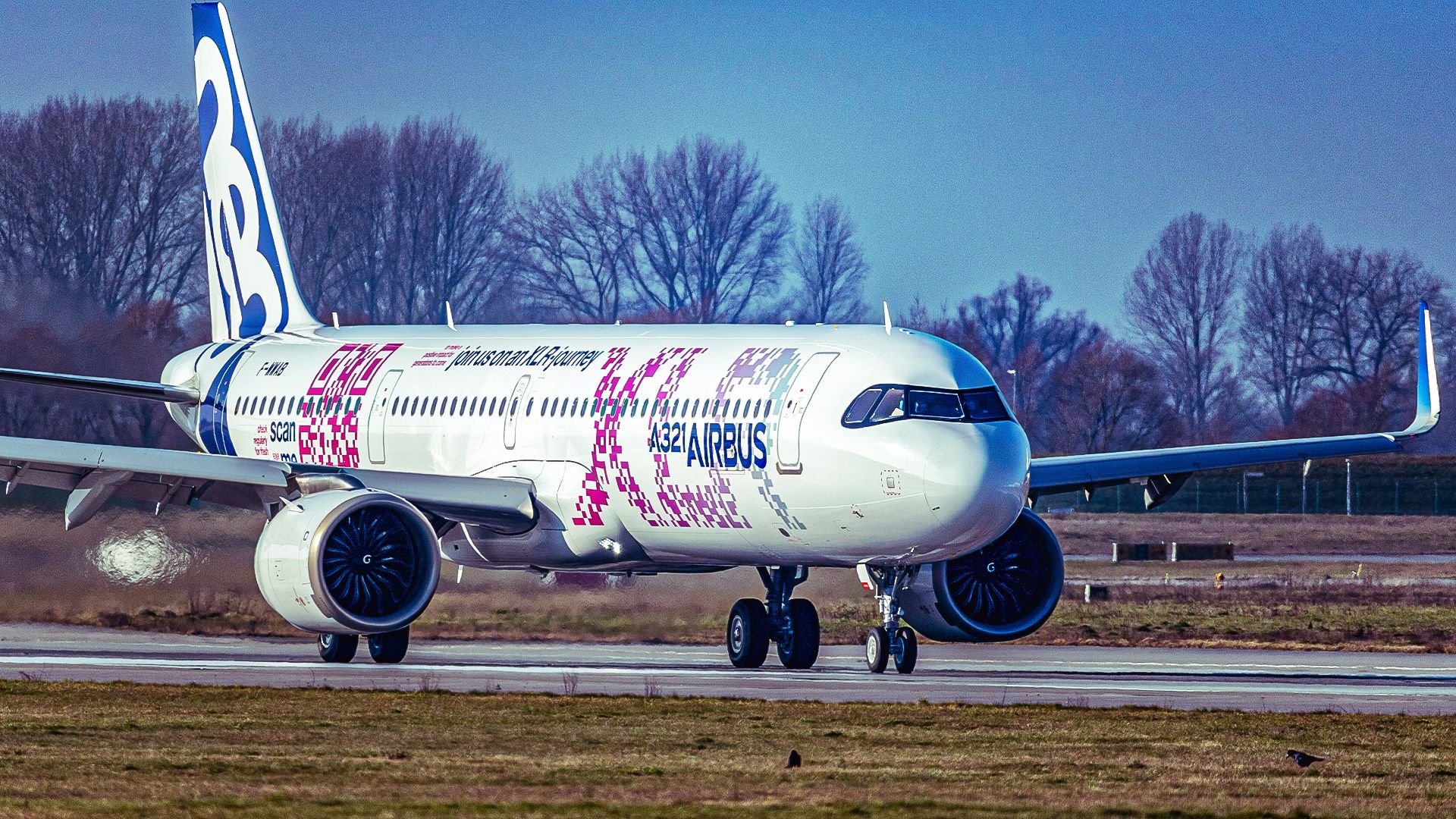
The Airbus A321XLR is the latest addition to the A321neo family, boasting an impressive range of 4,700 NM (8,700 km) that makes it ideal for long-haul flights. With this increased range comes a renewed focus on passenger experience, as airlines seek to offer routes that last nine hours or more.
This emphasis on passenger comfort is reflected in the A321XLR's interior design, which has been carefully crafted to provide a visually stunning and practical cabin environment. The aircraft's designers have drawn inspiration from other Airbus models, incorporating elements of the A350 XWB into the A321XLR's layout.
One of the key features that sets the A321XLR apart from its predecessors is its ability to accommodate lie-flat seats for business class passengers. This is made possible by the aircraft's increased range, which allows airlines to offer longer flights without the need for refueling stops.
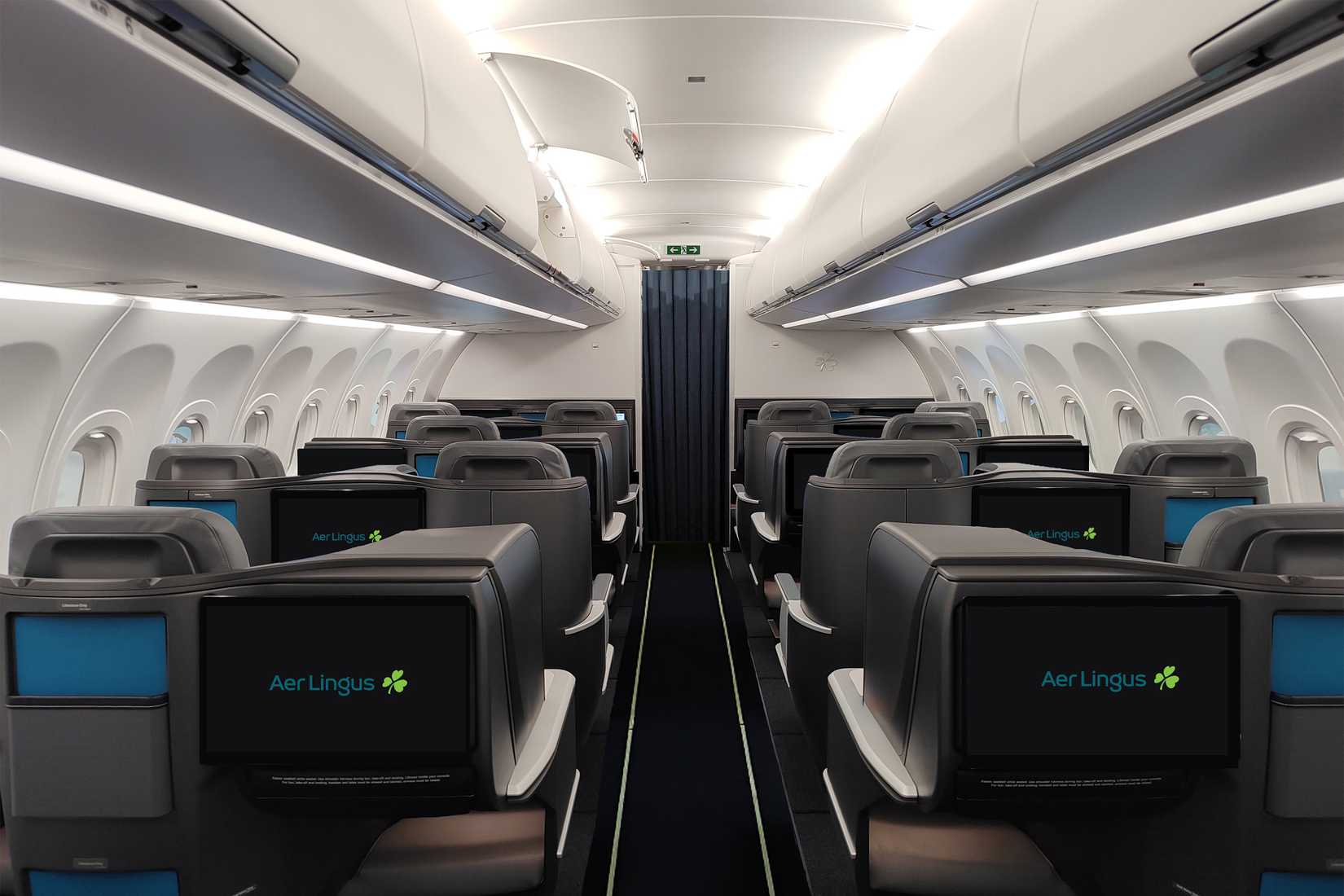
The majority of A321XLR operators are installing these lie-flat seats, with several new seat models emerging in recent years that are optimized specifically for the aircraft. These include the Thompson VantageSOLO and Collins Aerospace Aurora, both of which feature direct-aisle access herringbone configurations.
While other narrowbodies offer similar seating options, the A321XLR's ability to accommodate lie-flat seats is a major selling point for airlines seeking to upgrade their long-haul offerings. This, combined with the aircraft's impressive range and fuel efficiency, makes it an attractive option for carriers looking to expand their route networks.
The A321XLR's cabin design also reflects a growing trend towards increased privacy and comfort on narrowbodies. Features such as privacy doors and upgraded window sizes are becoming increasingly common, providing passengers with a more enjoyable and relaxing travel experience.
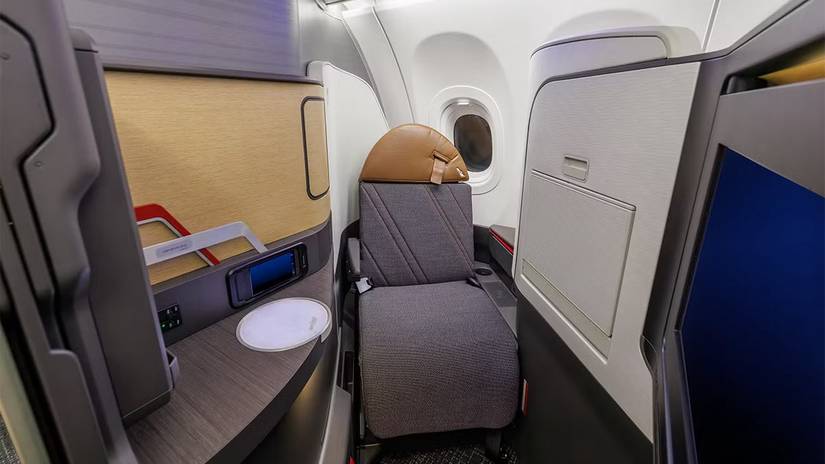
In contrast to Boeing's widebody aircraft, which often boast larger windows, the Airbus A321XLR has smaller windows that can be a drawback for some passengers. However, this is largely due to cost constraints and design priorities focused on reducing weight and increasing fuel efficiency.
Despite these limitations, the A321XLR's cabin design remains an attractive option for airlines seeking to upgrade their long-haul offerings. With its unique blend of comfort, practicality, and range, it is well-positioned to capitalize on the growing demand for premium narrowbody services.
As the A321XLR continues to gain traction in the market, we can expect to see further innovations in cabin design and seating configurations. With airlines increasingly prioritizing passenger experience, it will be interesting to see how manufacturers respond to this trend and what new features emerge in the coming years.

The A321XLR's cabin design is a game-changer for long-haul travel, offering a unique blend of comfort and practicality.