

Pilots in the United States face a complex career progression, with seniority playing a crucial role in determining pay. The linear path from smaller to larger aircraft is the norm, but there are exceptions, and market pressures can accelerate pilot advancement. Becoming a widebody Captain is the pinnacle of a commercial pilot's career, offering a significant increase in pay and prestige.
A typical pilot begins their career with 2-3 years of training and early flight experience before moving on to regional aircraft for 2-5 years. From there, they progress to flying narrowbody aircraft for 5-12 years, or sometimes take a stepping stone role with low-cost carriers.
The airline industry is experiencing pilot shortages, which can lead to faster advancement up the career ladder. This trend has significant implications for US airlines, as it affects their ability to operate efficiently and effectively.
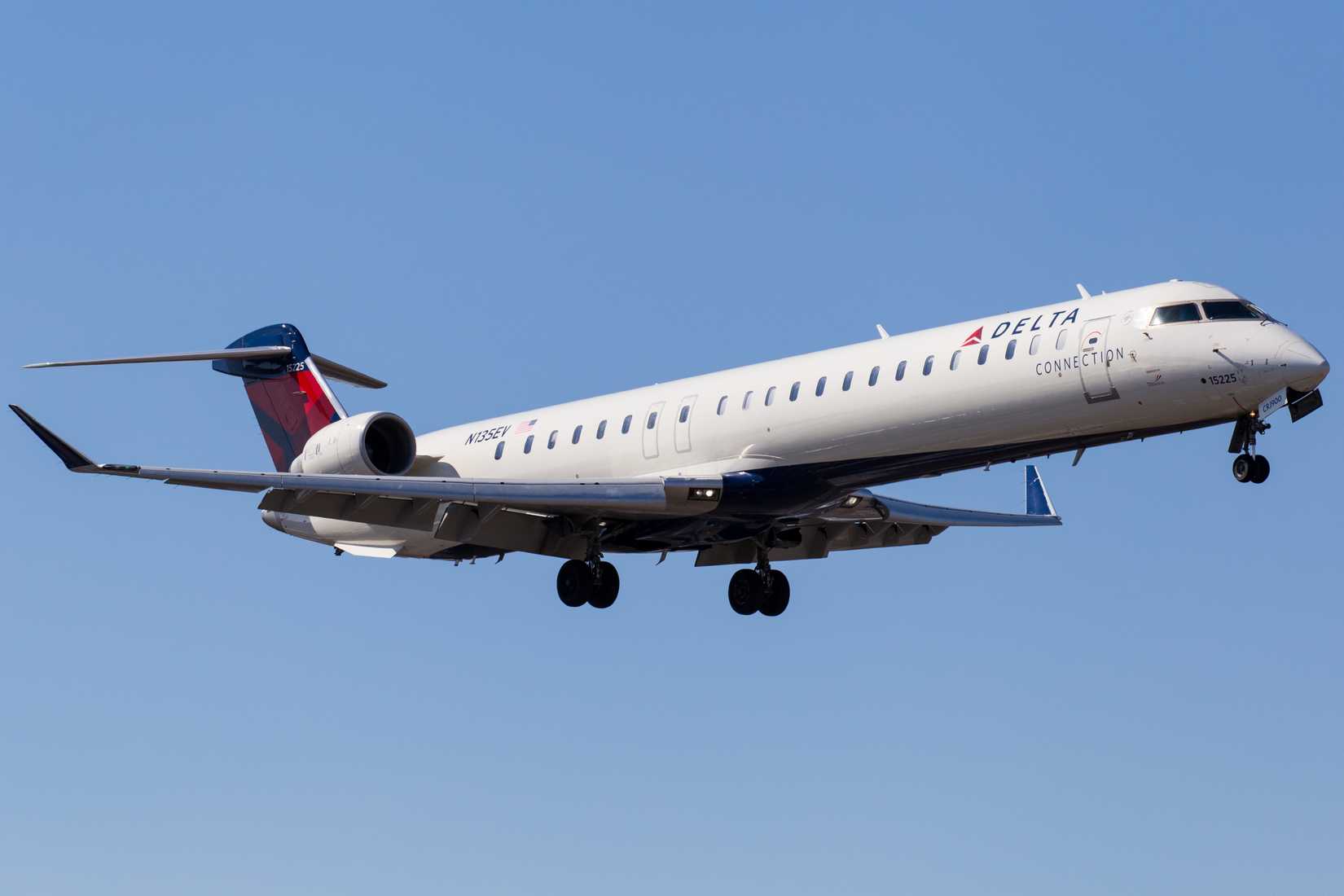
Ultra-low-cost carriers like Frontier offer lower pay than major carriers, making them attractive stepping stones for young pilots looking to gain experience and progress their careers. Regional carriers also pay lower salaries, providing a valuable training ground for aspiring pilots.
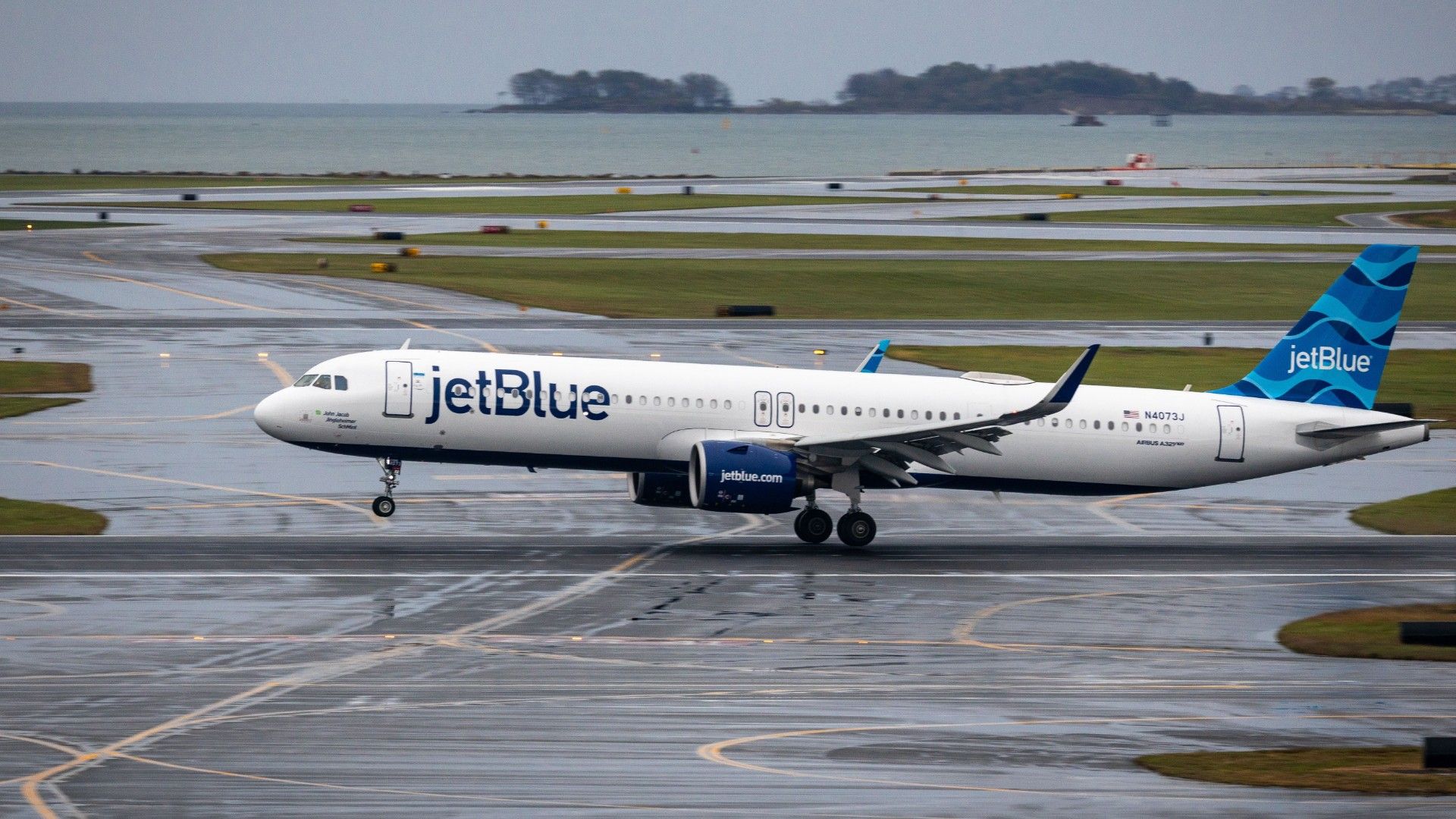
The majority of commercial aircraft operating in the US are narrowbody or regional jets, with around 80% of deliveries now being single-aisle aircraft. This trend is expected to continue, with Boeing forecasting 1,545 regional jets and 33,285 narrowbody aircraft by 2044.
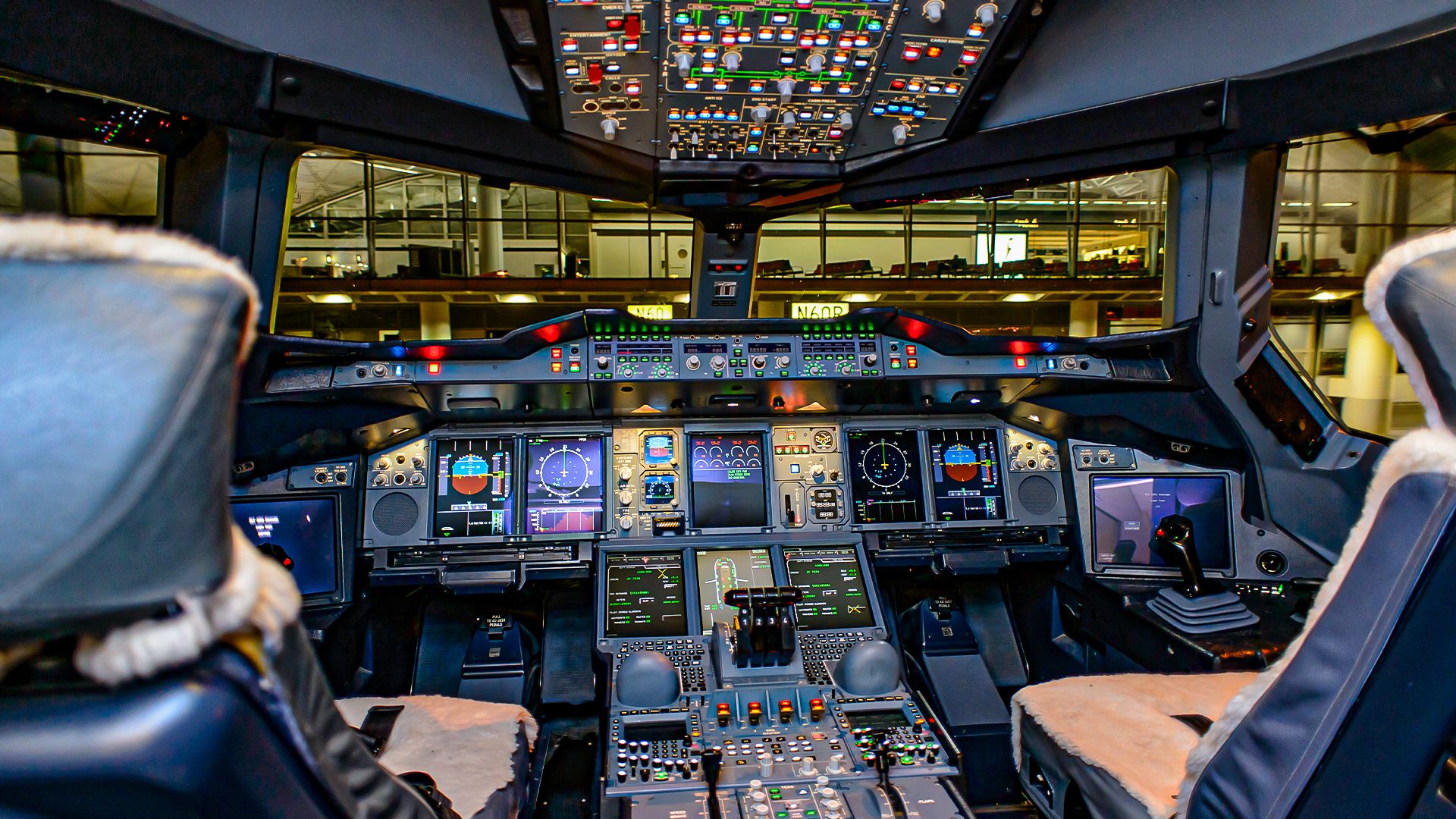
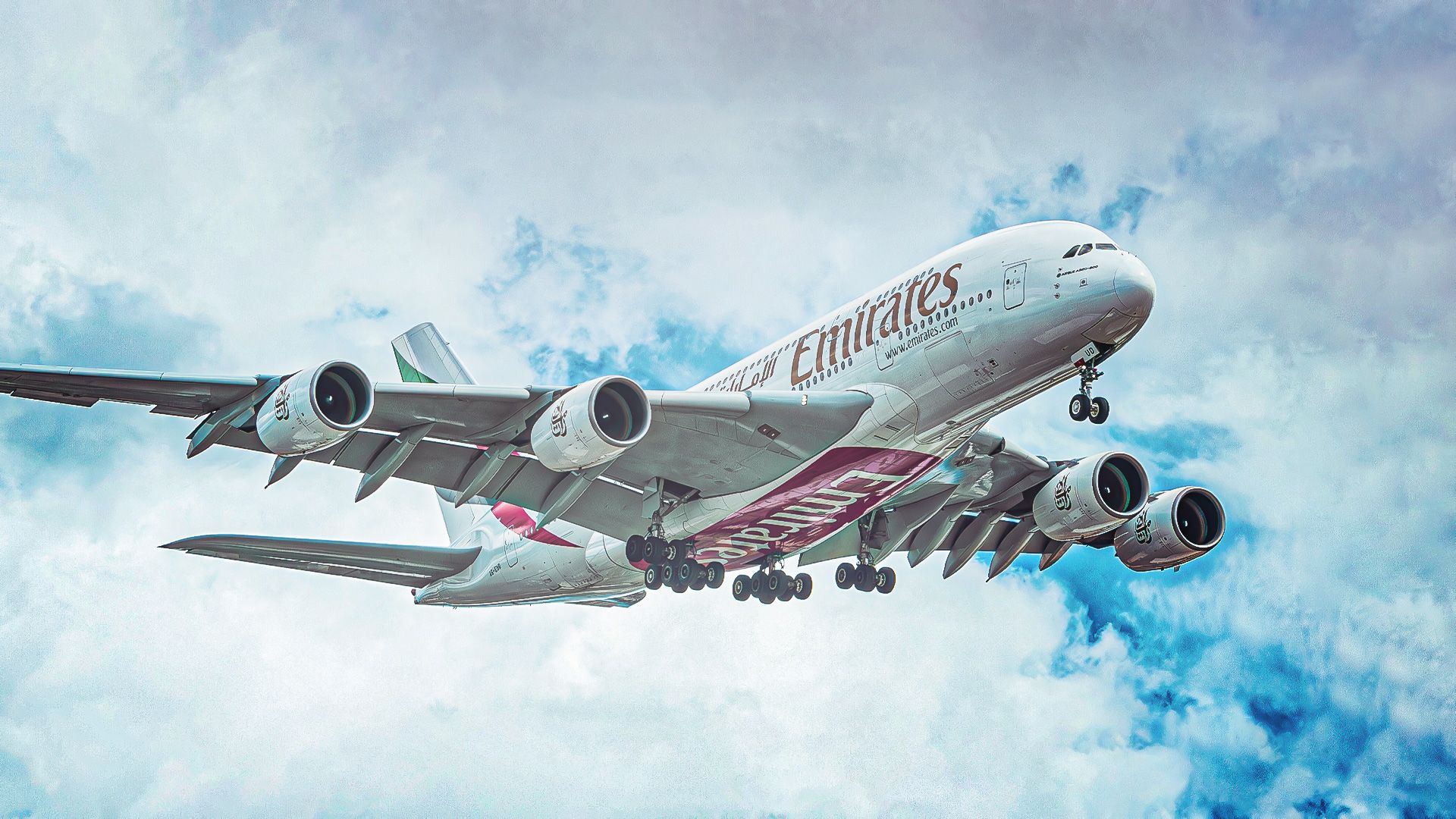
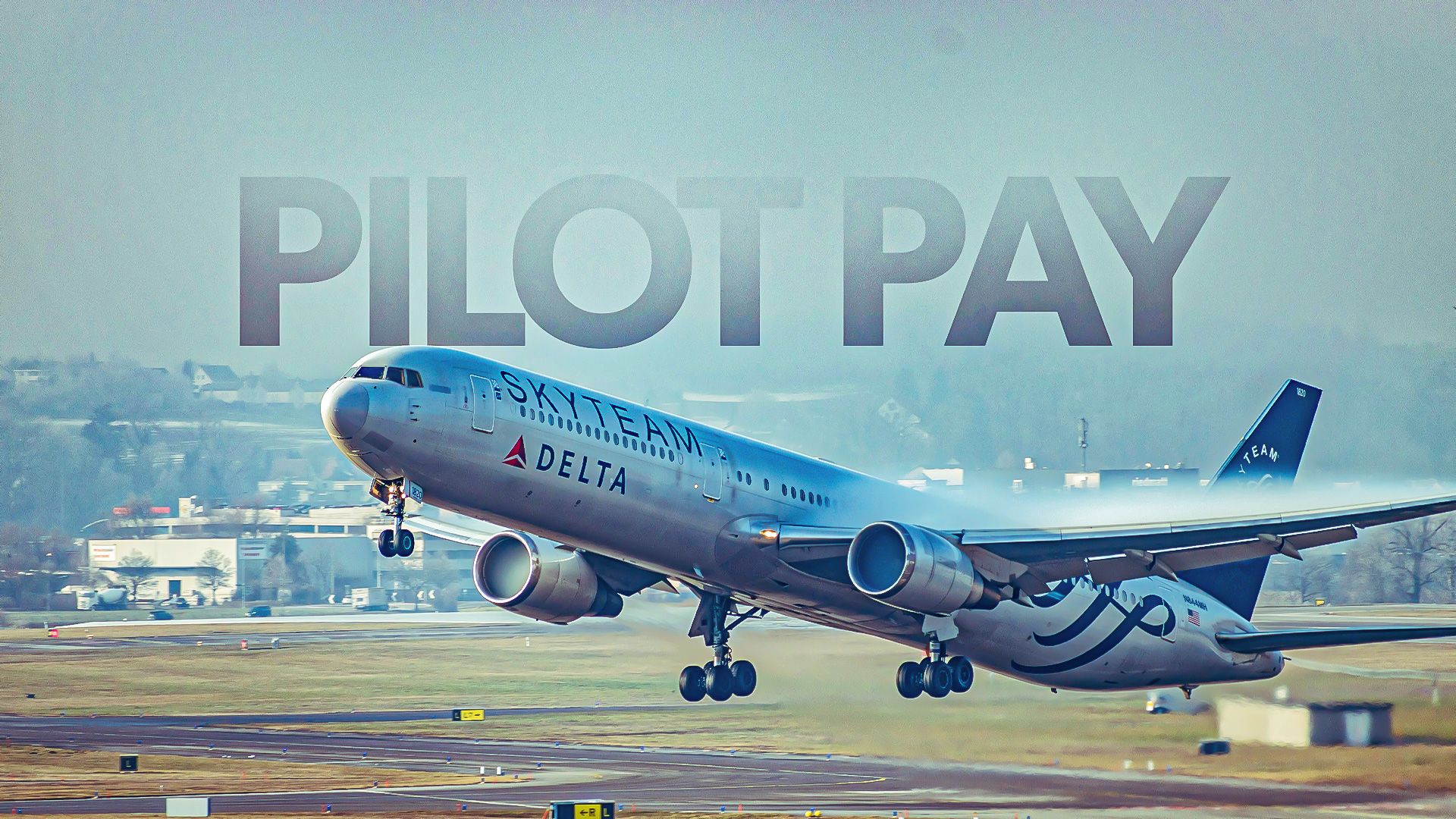
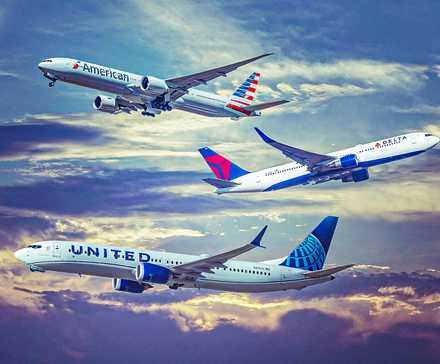
Only a few major US airlines operate widebody commercial passenger aircraft, including Delta, United, American, Hawaiian, and Alaska Airlines. These aircraft are typically reserved for senior pilots who have progressed through the career stages.

In the US, pilots must accumulate at least 1,500 hours to obtain an Airline Transport Pilot certificate. First Officers often start flying on widebody aircraft after gaining 4,000-8,000 hours of flight experience and eight to 15 years of aviation experience.
The cost of hiring and retaining experienced pilots is a significant challenge for US airlines, with senior Captain salaries playing a crucial role in addressing this issue.
As the airline industry continues to evolve, it will be interesting to see how US airlines adapt to the changing landscape of pilot careers and compensation.
A better understanding of widebody Captain salaries can provide valuable insights into the complexities of the aviation industry and the challenges faced by US airlines.
The high cost of hiring and retaining experienced pilots is a significant challenge for US airlines.