

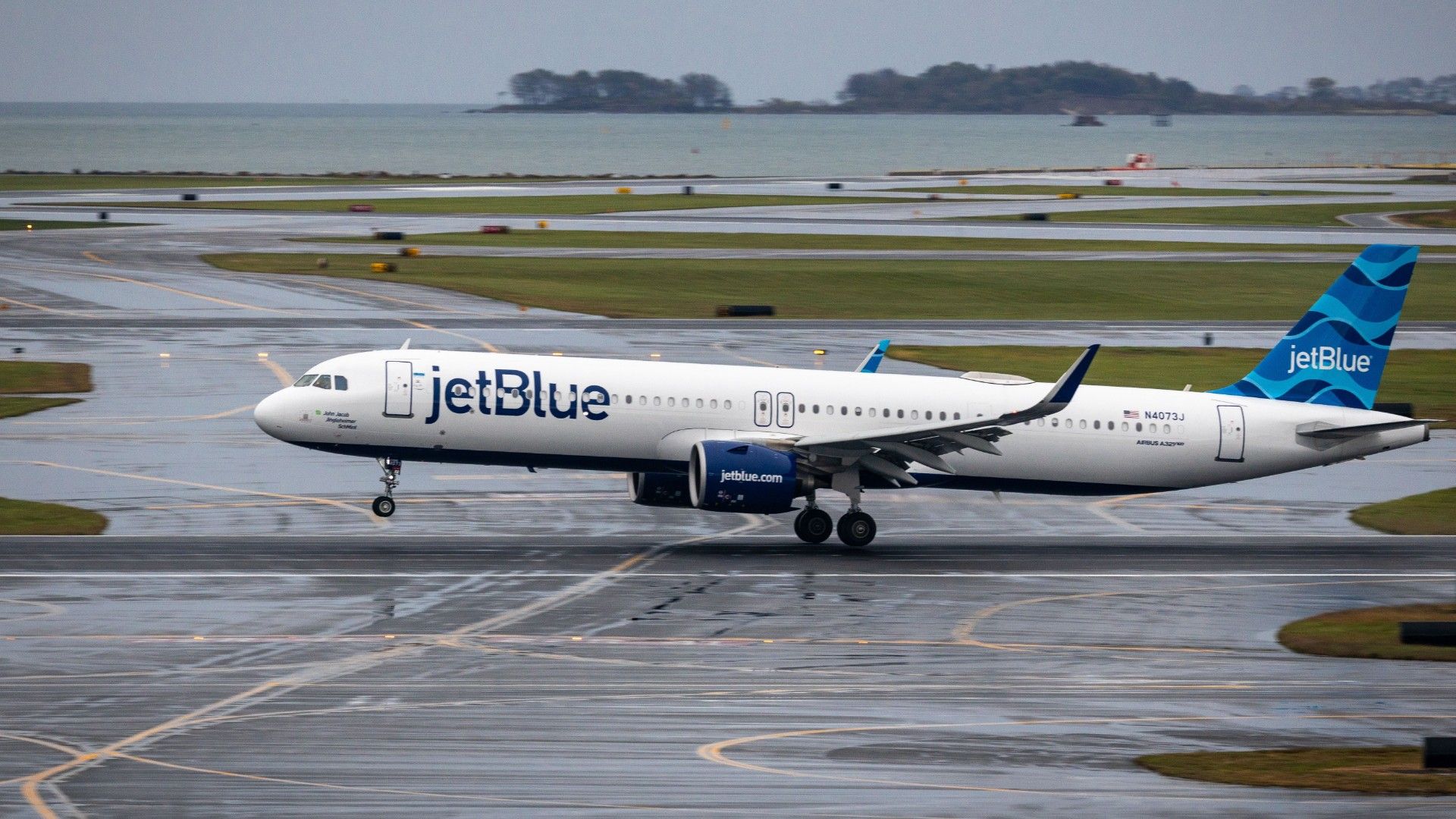
A passenger on a JetBlue flight from Paris to New York is suing the airline over an injury sustained from dry ice burns. The incident occurred when the cabin crew provided the passenger with dry ice as an ice pack, not realizing it was not suitable for human skin. This case highlights the importance of clear communication and proper training among flight attendants.
The Montreal Convention sets out specific rules for carrier liability in the event of a passenger's death or bodily injury. Article 17 states that an air carrier is liable for damages if the claimant can prove that an accident occurred during the specified timeframe. However, the exact circumstances surrounding this case will be crucial in determining whether JetBlue's negligence was the cause of the injury.
The court filing claims that JetBlue is liable for the injuries sustained by Patricia Matzenbacher under Article 17 of the Montreal Convention as an accidental incident. The airline's actions or lack thereof may have contributed to her injury, and it remains to be seen how the courts will interpret this case. If found negligent, JetBlue could face significant damages, potentially exceeding $215,802.
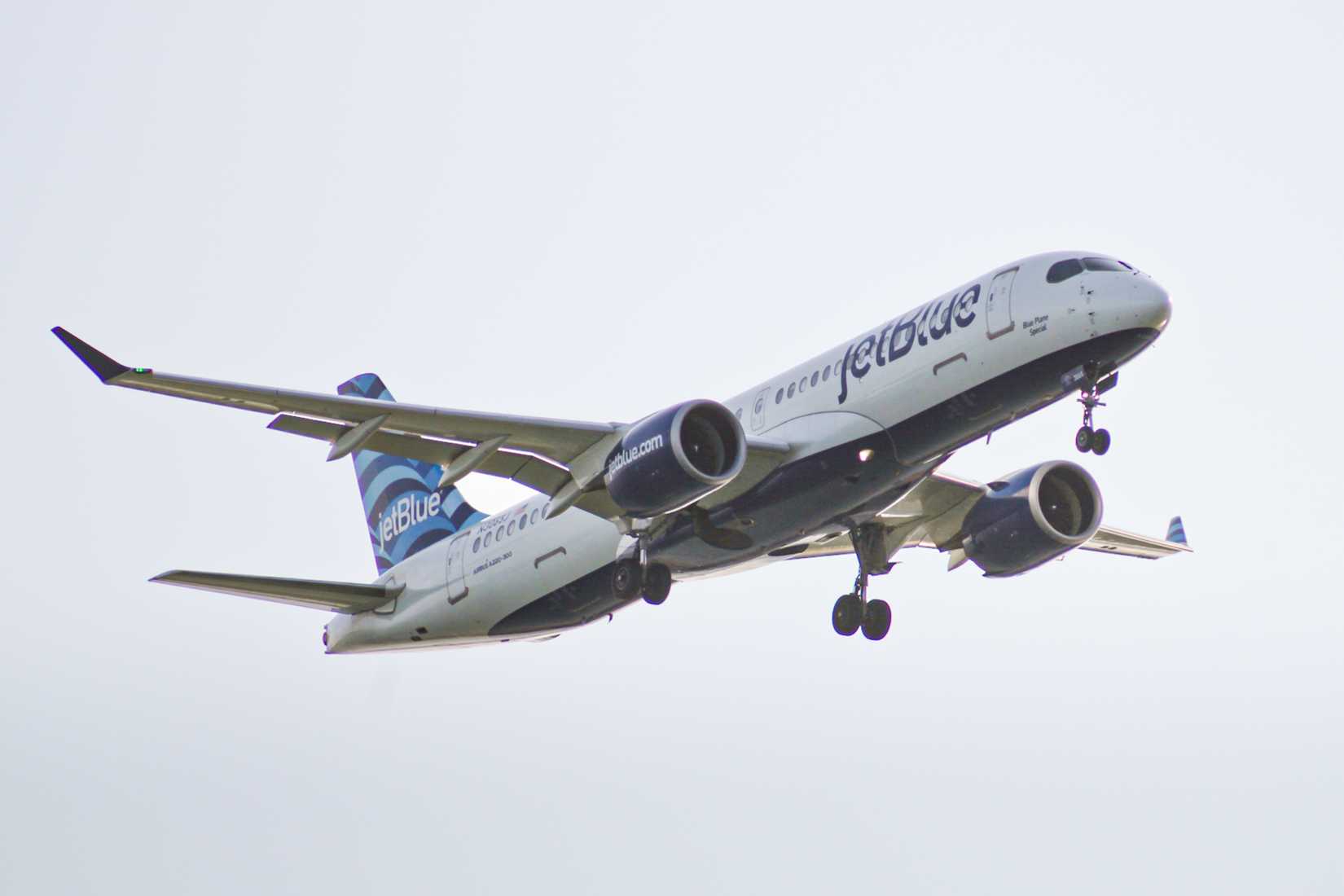
The key issue in this case is whether the dry ice was provided as an accident or due to negligence on the part of the crew or the passenger. The court's decision will have far-reaching implications for airline accountability and safety procedures. A successful lawsuit could lead to changes in how airlines handle similar situations in the future.
Article 21 caps the amount recoverable from a carrier unless willful misconduct can be proven. This two-tier compensation system is designed to balance the need for accountability with the need to prevent excessive payouts. However, it also raises questions about the airline's responsibility to ensure passenger safety.
The case filed by Matzenbacher's attorneys also states that the cabin crew's failure to provide accurate information about the dry ice could have prevented the injury. This highlights the importance of clear communication and proper training among flight attendants. Airlines must prioritize their staff's knowledge and skills to prevent such incidents in the future.
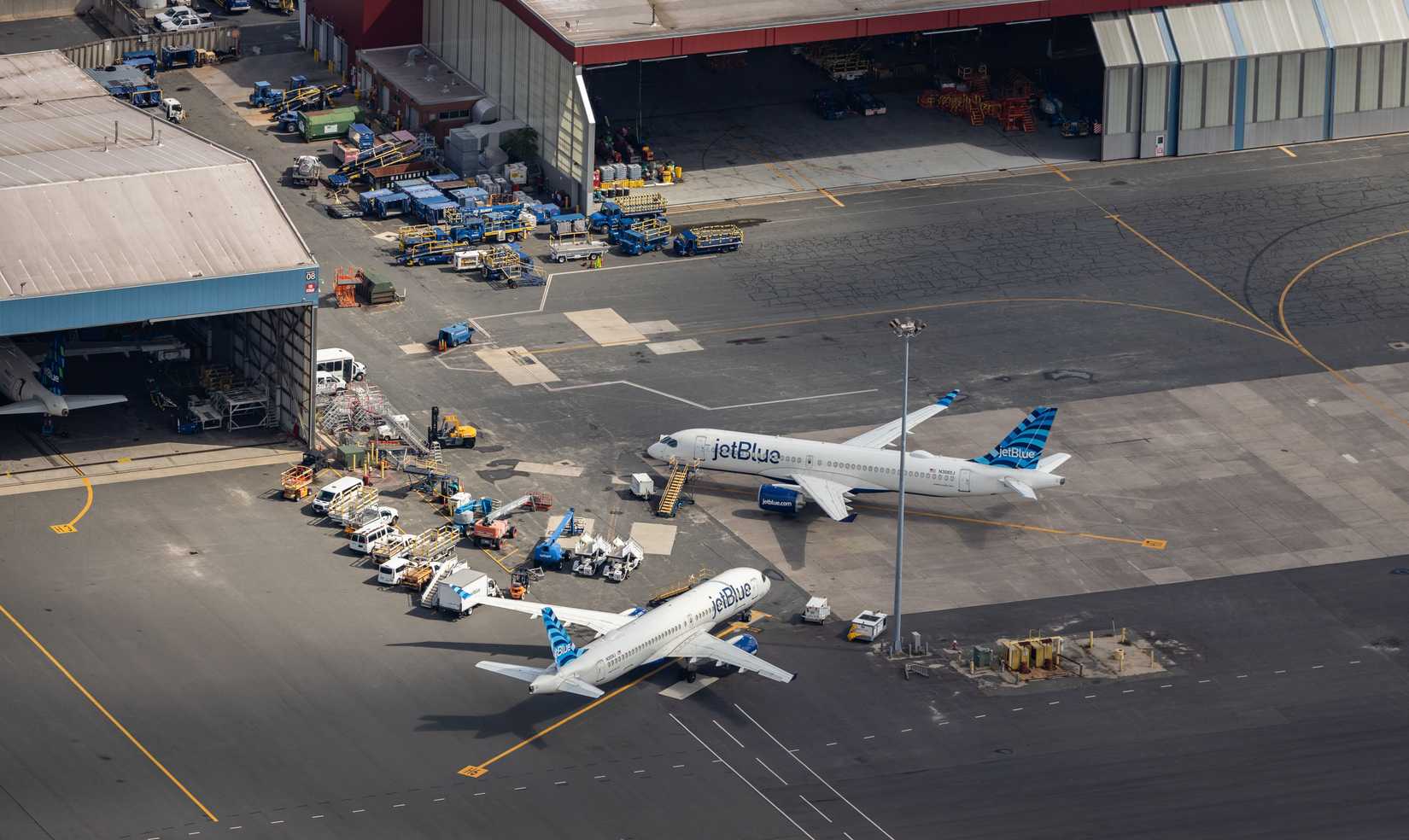
The Montreal Convention sets a strict liability limit for no-fault accidents, which may provide some protection for passengers. However, it also leaves room for airlines to argue that they took all necessary measures to avoid the incident. The court's decision will depend on the specific circumstances of this case and how they are interpreted by the judges.
As the aviation industry continues to evolve, cases like this one underscore the need for ongoing safety assessments and training programs. Airlines must stay vigilant in ensuring their staff is equipped to handle emergency situations and provide accurate information to passengers.
The outcome of this lawsuit will have significant implications for JetBlue's reputation and safety record. If found liable, the airline may be forced to implement changes to its procedures and training protocols to prevent similar incidents in the future.
The Montreal Convention's strict liability limit for no-fault accidents may provide a safety net for passengers, but it also raises questions about airline accountability.