

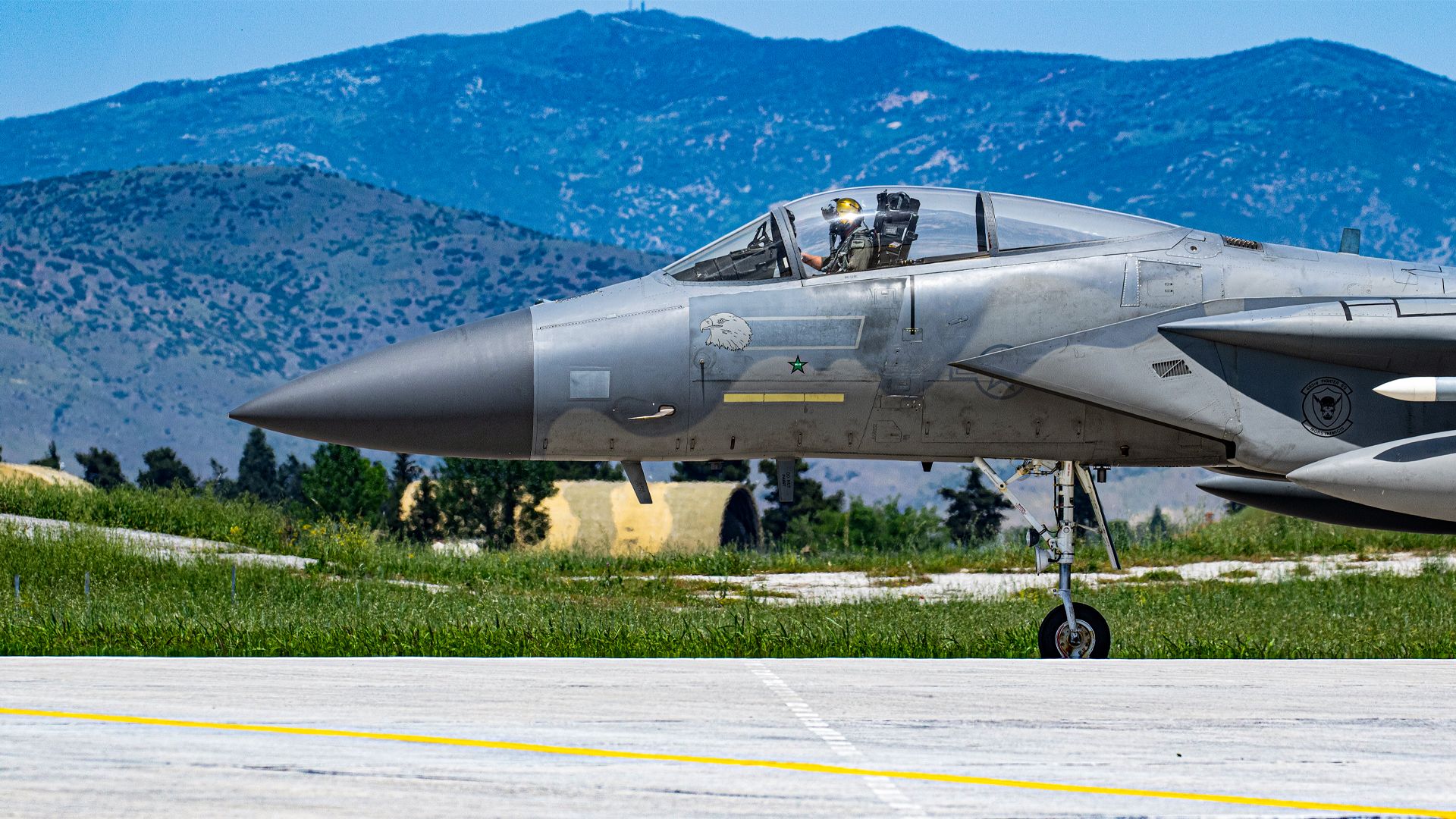
The United States Air Force operates around 55 active fighter squadrons, with some installations hosting multiple units at the same location, turning them into key airpower hubs. This concentration of fighter squadrons has significant operational implications, allowing for large-scale pilot training, extensive maintenance operations, and rapid deployment of entire wings overseas.
These installations typically feature extensive maintenance facilities, weapons storage infrastructure, and access to large training ranges, enabling pilots to simulate real-world combat conditions. The ability to train over vast areas is a key factor in maintaining frontline combat squadrons at these bases rather than purely training units.
The USAF has identified four key air bases with the largest fighter squadron presence, ranking them by concentration rather than total aircraft numbers. This analysis focuses on wing structures and squadron assignments to determine the operational importance of each base.
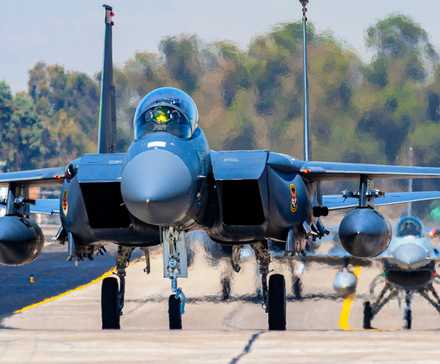
Mountain Home Air Force Base in Idaho is home to the 366th Fighter Wing, one of the US Air Force's primary operational units for the Boeing F-15E Strike Eagle. The base hosts three fighter squadrons, including two US Air Force units and one allied training squadron from Singapore, making it an important node in the USAF fighter network.
The concentration of advanced strike aircraft at Mountain Home makes the base a critical operational hub, despite its relatively modest number of fighter squadrons compared to larger training bases. This focus on frontline combat aircraft underscores the importance of the base's unique operational environment.
Mountain Home's multinational training environment is another distinctive feature, with the Singapore Air Force's 428th Fighter Squadron 'Buccaneers' operating F-15SG aircraft from the base. This partnership reflects the growing emphasis on joint training among allied air forces and provides its pilots with access to significantly larger training airspace.
The partnership has been in place for more than a decade, demonstrating the value of collaborative training initiatives in enhancing operational capabilities. The ability to train over vast areas, such as the Mountain Home Range Complex, is a key factor in maintaining frontline combat squadrons at this base.
This complex allows F-15E crews to practice long-range strike missions, close air support, and coordinated multi-ship operations in realistic conditions, making it an ideal location for training advanced strike aircraft. The base's continued hosting of frontline combat squadrons underscores its importance as a critical operational node in the USAF fighter network.
The multinational nature of Mountain Home Air Force Base has significant implications for the US Air Force's global operations, enabling the integration of allied air forces into joint training exercises and enhancing the overall effectiveness of the fighter force.
These bases serve as critical nodes in the USAF fighter network, enabling large-scale training and operational deployments.