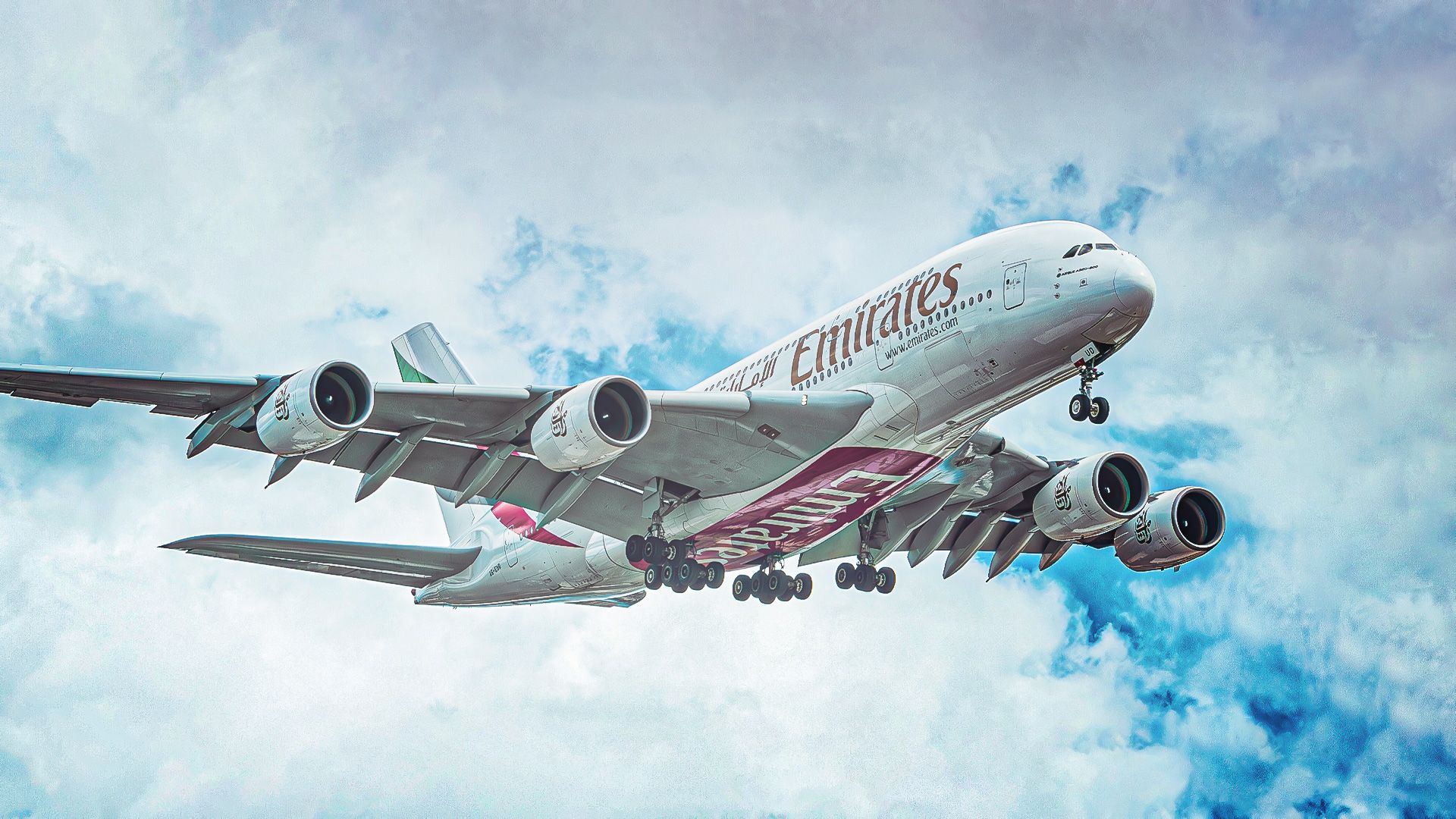

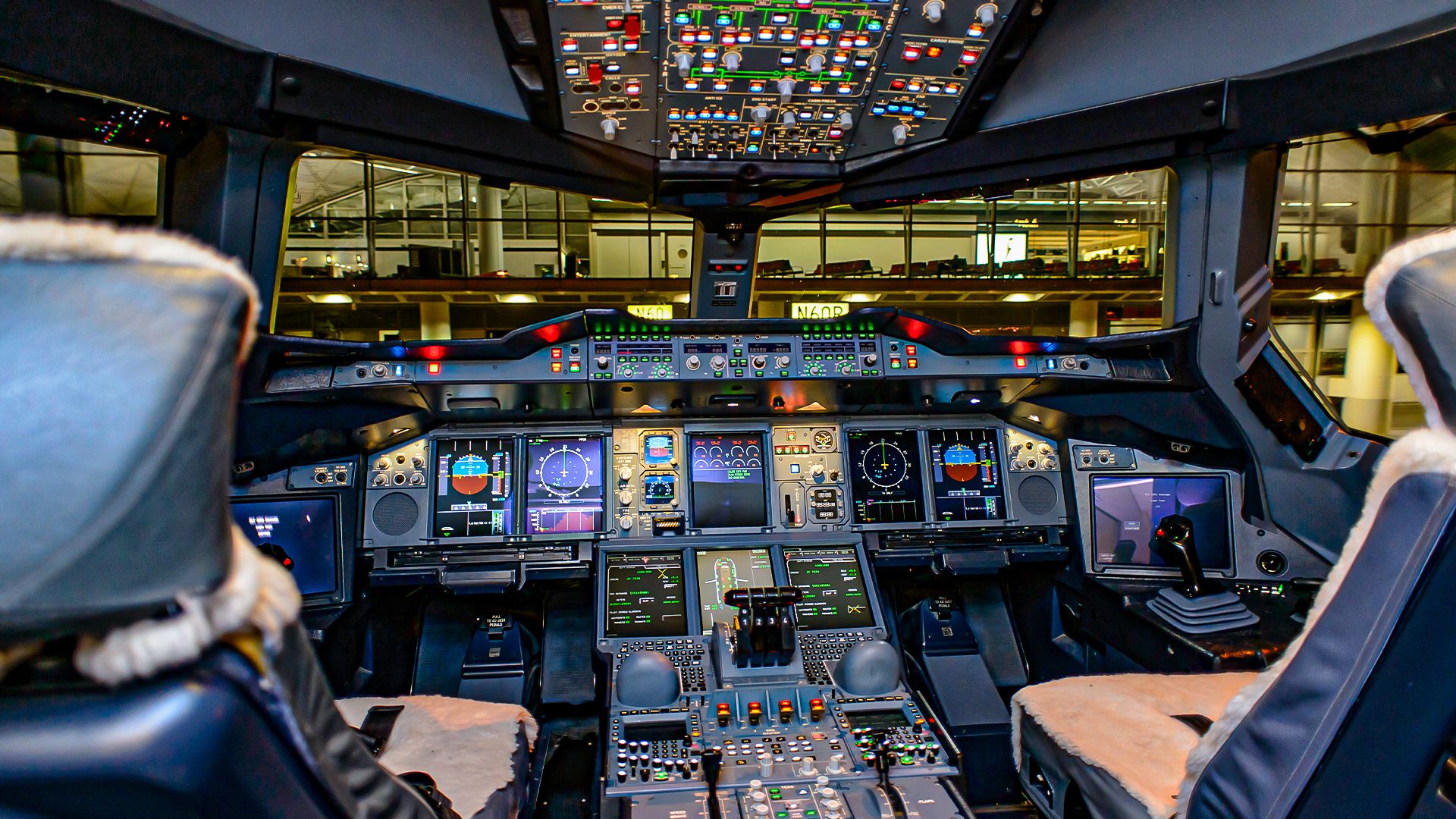
The Airbus A380 and Boeing 747 represent two of the most iconic widebody aircraft ever produced, each embodying distinct engineering philosophies that are evident starting in the cockpit. While both aircraft are designed for long-haul, high-capacity operations, the flight decks reveal fundamentally different approaches to pilot interaction, automation, and control. These differences are not merely aesthetic but reflect decades of divergence between Airbus and Boeing in how pilots should interface with increasingly complex aircraft systems.
At the core of this divergence lies a philosophical split. Airbus emphasizes automation, system protection, and standardized cockpit layouts across its fleet, while Boeing traditionally prioritizes pilot authority, tactile feedback, and evolutionary design continuity. This philosophical contrast is especially evident when comparing the A380, Airbus’s largest commercial aircraft, with later-generation variants of the 747, particularly the 747-400 and Boeing 747-8. This article explores five major differences in cockpit layout between the A380 and the 747.
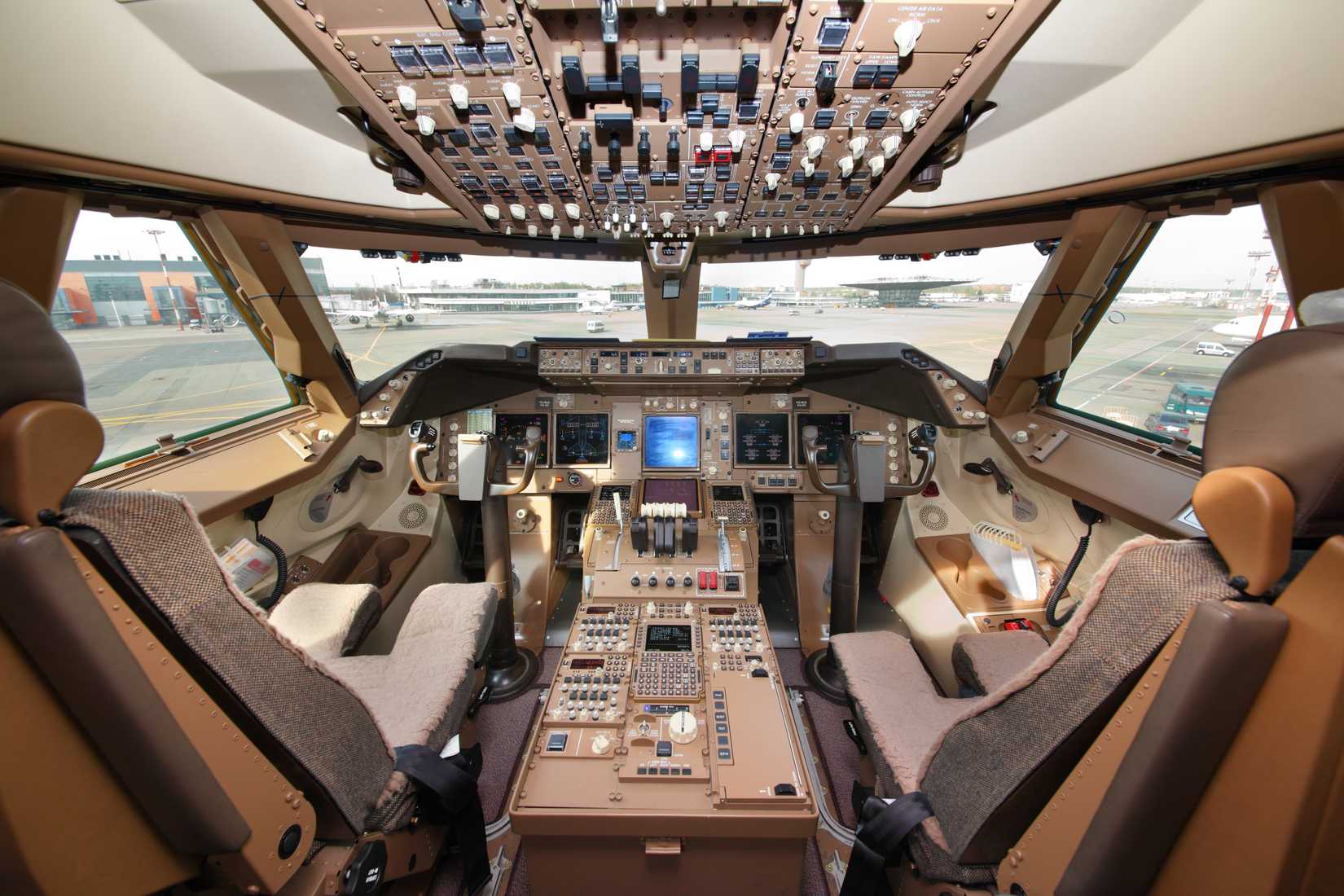
The most immediately visible difference between the A380 and the 747 cockpit (and any Airbus or Boeing cockpit) is the method of primary flight control input. The A380 uses a sidestick controller mounted to the outer side of each pilot’s seat, while the 747 retains the traditional centrally mounted control yoke column. This distinction is adopted across all Airbus and Boeing aircraft and is emblematic of the broader design philosophies of Airbus and Boeing.
Control input is the most central aspect of flying, and thus, this difference has significant implications for pilot experience and cockpit layout. The A380’s sidestick arrangement allows for greater flexibility in flight control, as each pilot can operate independently while still receiving real-time data from the aircraft’s systems.
In contrast, the Boeing 747’s yoke is centrally mounted and mechanically or hydraulically linked to each other, allowing both pilots to see and feel each other’s control inputs. This provides immediate tactile feedback and shared awareness during manual flight. However, this design also requires more physical space in the cockpit, which can be a challenge for smaller aircraft.
The A380's sidestick controller is not mechanically linked to its partner, meaning one pilot cannot physically feel the other’s inputs. Instead, coordination relies on visual and auditory cues. This arrangement frees up space directly in front of the pilot, allowing for a cleaner instrument panel and improved visibility of central displays.
On the other hand, the Boeing 747's yoke is mechanically linked, providing immediate tactile feedback and shared awareness during manual flight. While this design may be less flexible than the A380’s sidestick arrangement, it also provides pilots with a more direct connection to the aircraft's behavior and their partner in the cockpit.
The differences in cockpit layout between the A380 and 747 reflect the distinct priorities of each manufacturer. Airbus prioritizes automation and system protection, while Boeing emphasizes pilot authority and tactile feedback. These differing philosophies have resulted in two unique cockpit designs that cater to different pilot preferences and operating styles.
Ultimately, the choice between an A380 or 747 cockpit comes down to personal preference and flying style. While some pilots may prefer the flexibility and independence of the A380’s sidestick arrangement, others may value the direct connection and shared awareness provided by the Boeing 747's yoke. As the aviation industry continues to evolve, it will be interesting to see how these differing cockpit designs continue to shape the future of commercial flight.
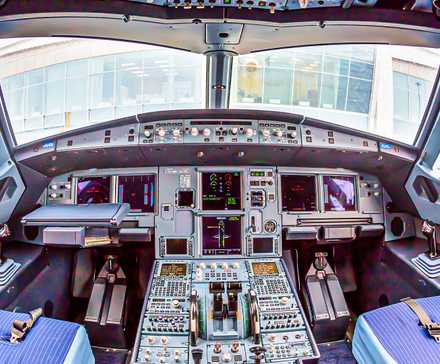
The differences in cockpit layout between the A380 and 747 reflect decades of divergence between Airbus and Boeing on how pilots should interact with complex aircraft systems.