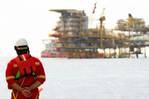



A Thai oil tanker has successfully navigated the strategic Strait of Hormuz, marking a significant development in the region's maritime tensions. The Bangchak Corporation-owned vessel crossed the waterway on Monday after diplomatic efforts between Thailand and Iran ensured its safe passage. This move comes as the U.S.-Israeli conflict against Iran has severely impacted global oil supplies, causing widespread disruption to transportation networks worldwide.
The Thai tanker's transit was made possible through coordination between Thailand's foreign minister Sihasak Phuangketkeow and Iran's ambassador to Thailand. The talks resulted in Iranian authorities agreeing to assist in ensuring safe passage for vessels transiting the strait. This gesture has helped alleviate pressure on the region's maritime trade, which has been severely impacted by the ongoing conflict.
The Strait of Hormuz is a critical chokepoint in global oil supplies, with approximately one-fifth of the world's oil and liquefied natural gas passing through it. The blockade imposed by the U.S.-Israeli coalition has resulted in significant economic losses for countries reliant on these supplies, including Thailand. The country's transportation costs have soared, and queues at gas stations have lengthened, posing a challenge to its economy.
Thailand has faced increased pressure due to its reliance on oil imports from Iran and other regions affected by the conflict. The situation has been further complicated by the recent attack on a Thai-flagged bulk carrier in the strait, which resulted in a fire onboard and the evacuation of crew members. The status of three missing crew members remains unknown.
The safe transit of the Bangchak tanker is a welcome development for Thailand's maritime trade, which has been severely impacted by the conflict. However, the country still awaits information on the status of the missing crew members, highlighting the need for continued diplomatic efforts to resolve the situation.
Iranian authorities have signaled their willingness to allow non-hostile vessels to transit the strait if they coordinate with Iranian authorities. This move has been welcomed by countries seeking to maintain access to critical oil supplies. The Thai embassy in Muscat also played a crucial role in securing the tanker's passage, working alongside Omani and Iranian authorities.
The successful transit of the Bangchak tanker is a testament to the effectiveness of diplomatic coordination between Thailand and Iran. The company has credited the talks for ensuring its vessel's safe passage, with no payment involved. This development is likely to have a positive impact on regional trade and economic stability.
The incident highlights the need for continued international cooperation to address the challenges posed by global conflicts. As the situation in the Strait of Hormuz continues to evolve, it will be essential to monitor developments and ensure that diplomatic efforts remain focused on finding peaceful solutions.
In conclusion, the safe transit of the Bangchak tanker marks an important milestone in the region's maritime tensions. As countries seek to maintain access to critical oil supplies, diplomatic coordination and cooperation will be crucial in addressing the challenges posed by global conflicts.