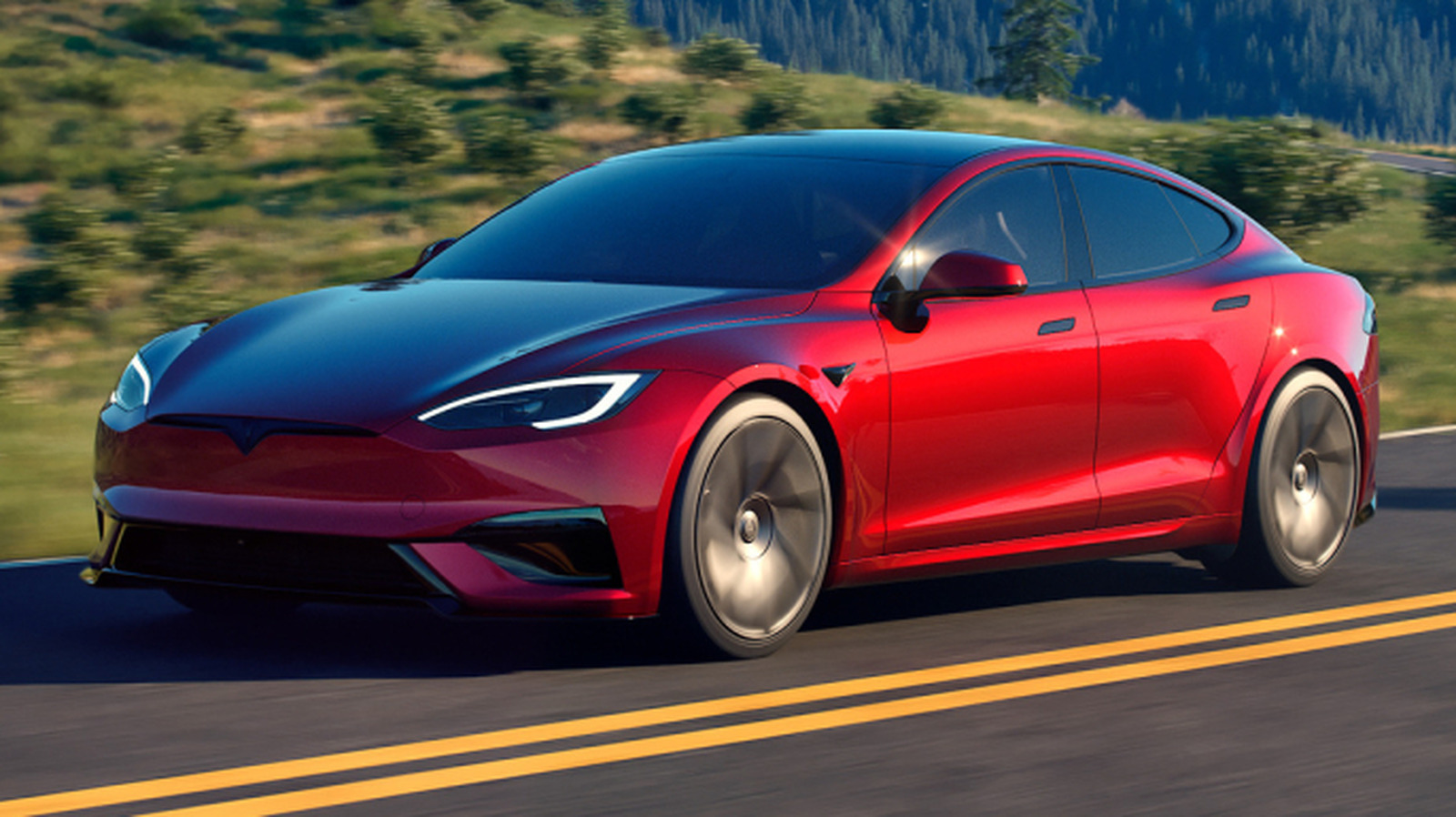


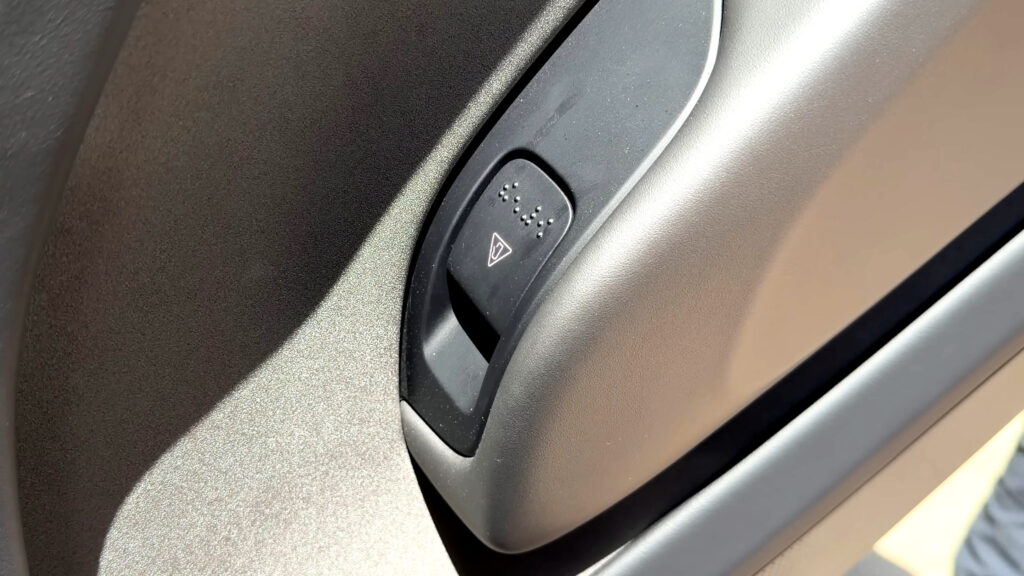
Tesla's latest innovation, the Cybercab, has sparked controversy among car enthusiasts and s alike. The electric vehicle's unique door handle design has left many wondering if every Tesla is missing this crucial feature. Despite its sleek appearance, the absence of a traditional door handle has raised concerns about safety and functionality.
The Cybercab's door handle is a bold departure from the conventional design found in most modern vehicles. Its futuristic look has garnered attention, but it also raises questions about the practicality of such a design in everyday use. Can a car without a door handle truly be considered safe?
One major concern is the potential impact on passenger safety. In the event of an emergency, a traditional door handle provides a secure means of exiting the vehicle quickly. The Cybercab's alternative design may require passengers to rely on other features, such as seatbelts or emergency exits, to ensure their safety.
Another issue at hand is the potential inconvenience it may cause for drivers and passengers alike. Without a door handle, accessing the vehicle's interior may become more difficult, particularly in low-light conditions or when wearing gloves. This could lead to increased frustration and decreased satisfaction with the overall driving experience.
The Cybercab's innovative design is not without its advantages, however. The absence of a door handle may reduce the risk of accidental door openings, which can be a significant safety concern in certain situations. Additionally, the sleek design may appeal to those who value style over substance.
As Tesla continues to push the boundaries of innovation, it will be interesting to see how this design choice affects their production process and customer satisfaction. With every Tesla missing its traditional door handle, it is clear that the company is willing to take risks in pursuit of progress. But are these risks worth taking?
The introduction of the Cybercab's door handle has sparked a wider conversation about the role of safety features in vehicle design. As manufacturers continue to prioritize style and innovation, they must also consider the practical implications of their designs. Can a car be both safe and stylish?
Ultimately, the decision to include or exclude a door handle from a vehicle's design is a complex one. While the Cybercab's innovative approach may appeal to some, it is clear that this design choice will have far-reaching consequences for Tesla's production process and customer satisfaction.
As the automotive industry continues to evolve, it will be crucial to weigh the benefits of innovation against the potential drawbacks. The introduction of the Cybercab's door handle has set a new standard for electric vehicle design, but it also raises important questions about safety, functionality, and customer satisfaction.
The introduction of the Cybercab's door handle design poses a significant challenge for Tesla's production process.