
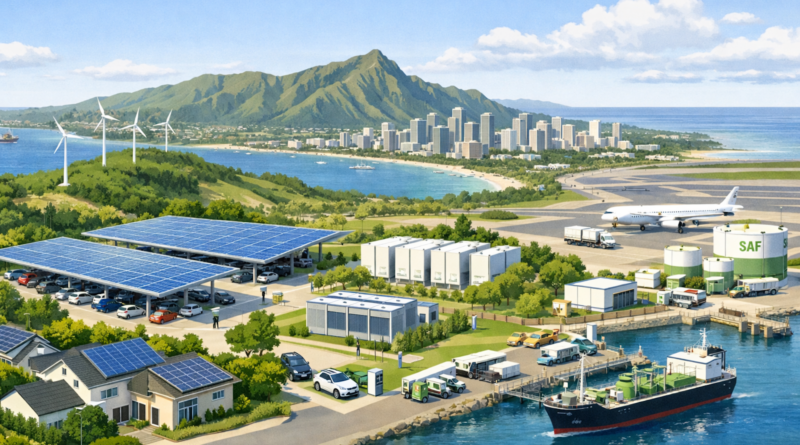
The draft roadmap for Oʻahu's decarbonized energy system is the result of a long chain of analysis that rebuilt the island's energy system piece by piece. Earlier articles focused on isolating civilian energy needs, electrifying transportation, buildings, and industry, and examining various technologies such as solar, wind, waste-to-energy, and biomethane. This roadmap takes the next step by organizing the end-state into an aggressive time-phased plan.
The framework for the roadmap is similar to one previously used for Ireland's draft transformation roadmap, which emphasizes treating the transition as a full system rather than a list of projects. The work is broken down into five categories across each time horizon: Policy and Regulation, Technology and Innovation, Infrastructure and System Integration, Market Mechanisms and Finance, and Organization and Workforce. This structure is crucial because energy transitions fail when they are treated only as engineering problems.
The roadmap has been adapted to Hawaiʻi's specific conditions, including a statutory 100% renewable electricity target by 2045, a statewide net-negative emissions target by 2045, and a utility still operating a heavily oil-based Oʻahu fleet. The philosophy behind the roadmap is simple: it is better to press hard and fall short than to aim low and miss.

The sequencing of actions matters in this plan. The no-regret actions are those that reduce cost, peak demand, or oil dependence even if later elements slip. These immediate priorities should be implemented through 2030. The 2030s are the scale-up decade, when Oʻahu should eliminate oil generation and close out H-POWER as a power resource.
The 2040s will focus on completing harder transport and fuels transitions, hardening the system against rare stress events, and replacing first-generation assets while keeping the zero-carbon system stable. The goal of this roadmap is not to provide a prescription but rather to contribute to a discussion and set of decisions that Hawaiʻi's people, institutions, and communities will have to make for themselves.
The roadmap is a thought exercise intended to be useful to Hawaiians, not a handed-down decision from outside. It aims to work through the arithmetic, test the boundaries, and clarify the art of the possible. This is valuable but not the same as local judgment, democratic choice, and community engagement.
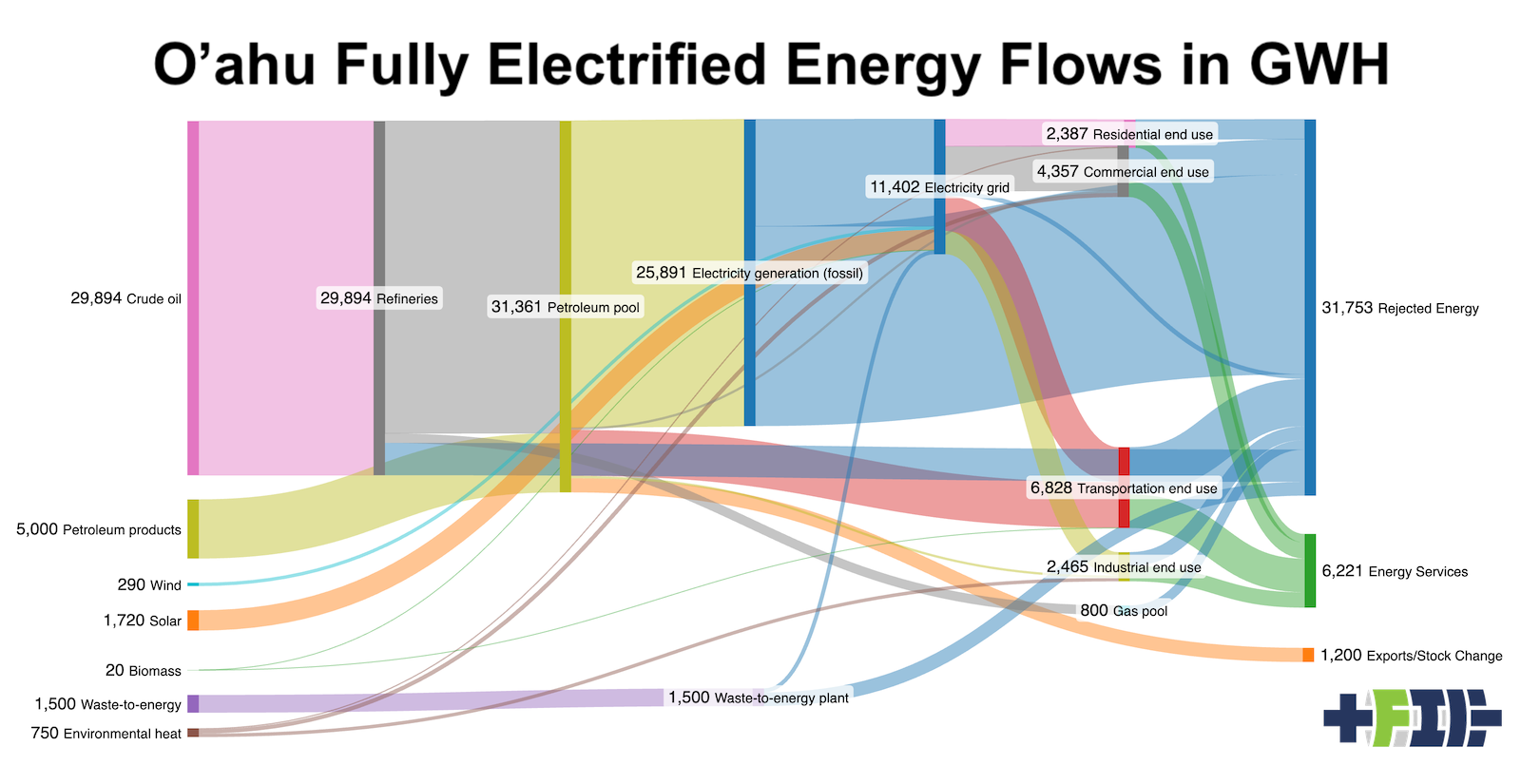
The transition to a zero-carbon energy system requires a coordinated effort across multiple sectors and stakeholders. The roadmap provides a framework for this coordination, emphasizing the importance of policy, technology, infrastructure, market mechanisms, and organizational changes. By working together, Hawaiʻi can achieve its ambitious renewable electricity target and reduce greenhouse gas emissions.
The success of this roadmap depends on the ability to implement it in a way that is fair, equitable, and just for all members of Hawaiian society. The transition must be managed in a way that addresses the needs and concerns of local communities, indigenous peoples, and vulnerable populations.
The final outcome of this roadmap will depend on the willingness of Hawaiʻi's people to work together to achieve a common goal. The transition to a zero-carbon energy system requires a collective effort, and the success of this roadmap depends on the ability to build a strong, inclusive, and sustainable energy future for all.
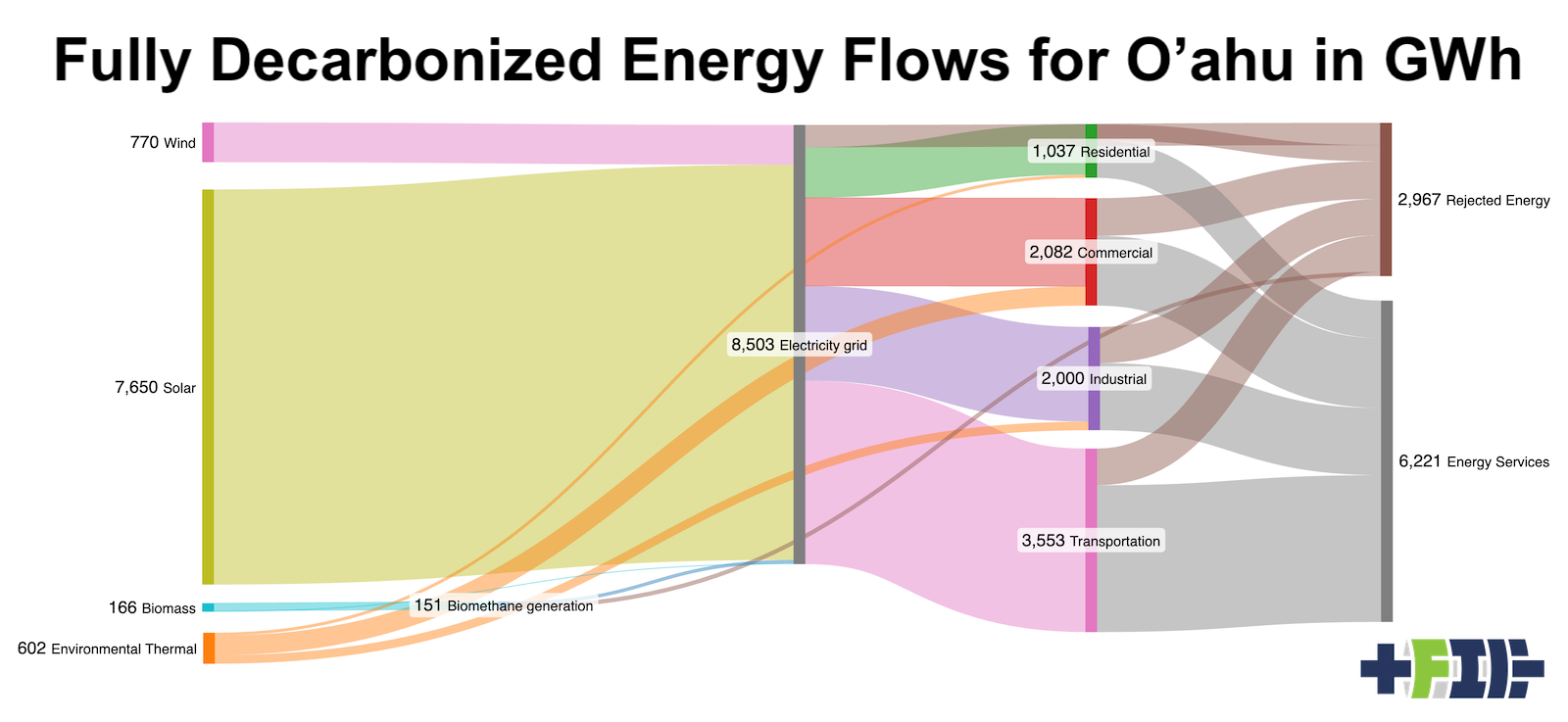
The transition to a zero-carbon energy system requires a holistic approach that considers policy, technology, infrastructure, market mechanisms, and organizational changes.