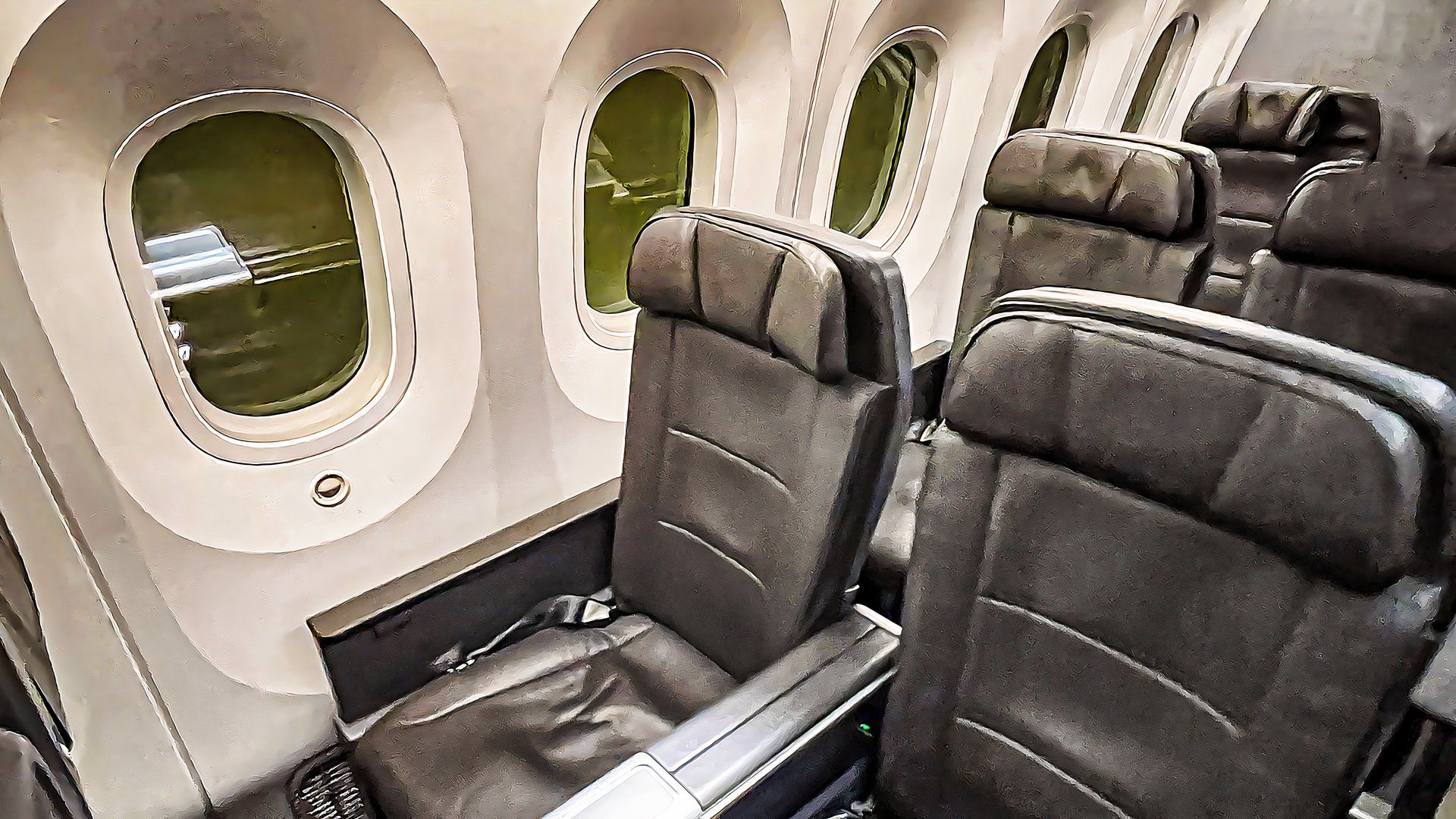

Modern commercial aviation is designed to provide a seamless passenger experience. However, behind the clean lines and familiar layout lies a complex machine with hidden compartments and restricted-access spaces that remain largely invisible to passengers. The design of these areas serves specific purposes and often requires careful consideration to maintain the illusion of a single continuous cabin.
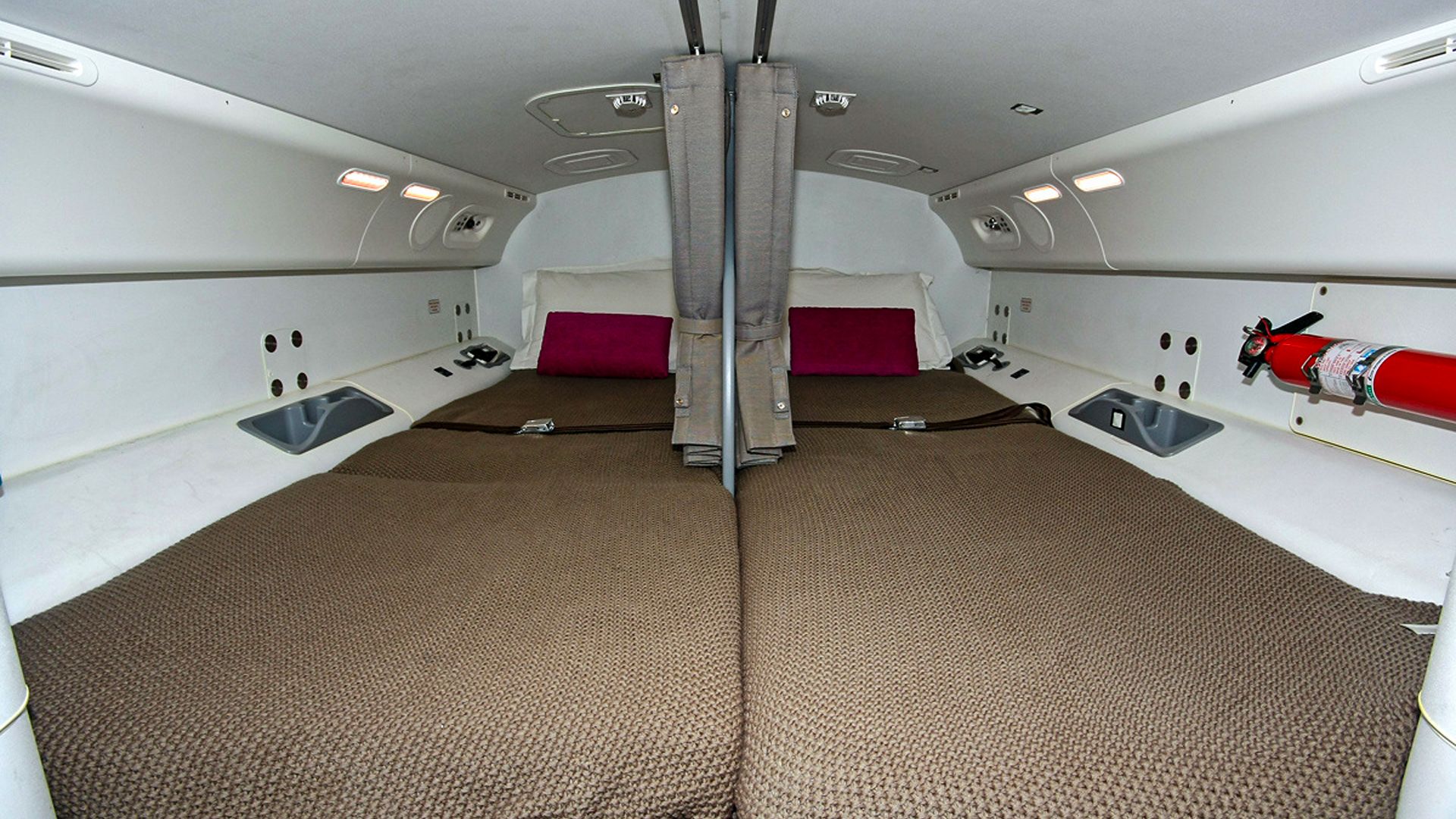
On many modern widebody aircraft, one fascinating hidden space sits directly above passengers' heads. These crew rest compartments are typically built into the upper fuselage and feature dedicated bunks, air vents, and safety restraints. The entrance is usually disguised as a small door near the galley, leading to a narrow staircase or ladder that takes crew members up to this separate level.
The compartment resembles a compact sleeping pod system, with bunks arranged in tight rows, each equipped with a mattress, reading light, air vent, and privacy curtain. The environment is carefully controlled to reduce noise and vibration, allowing flight attendants to rest properly during long-haul flights. On some aircraft, there can be six to eight bunks, depending on configuration.
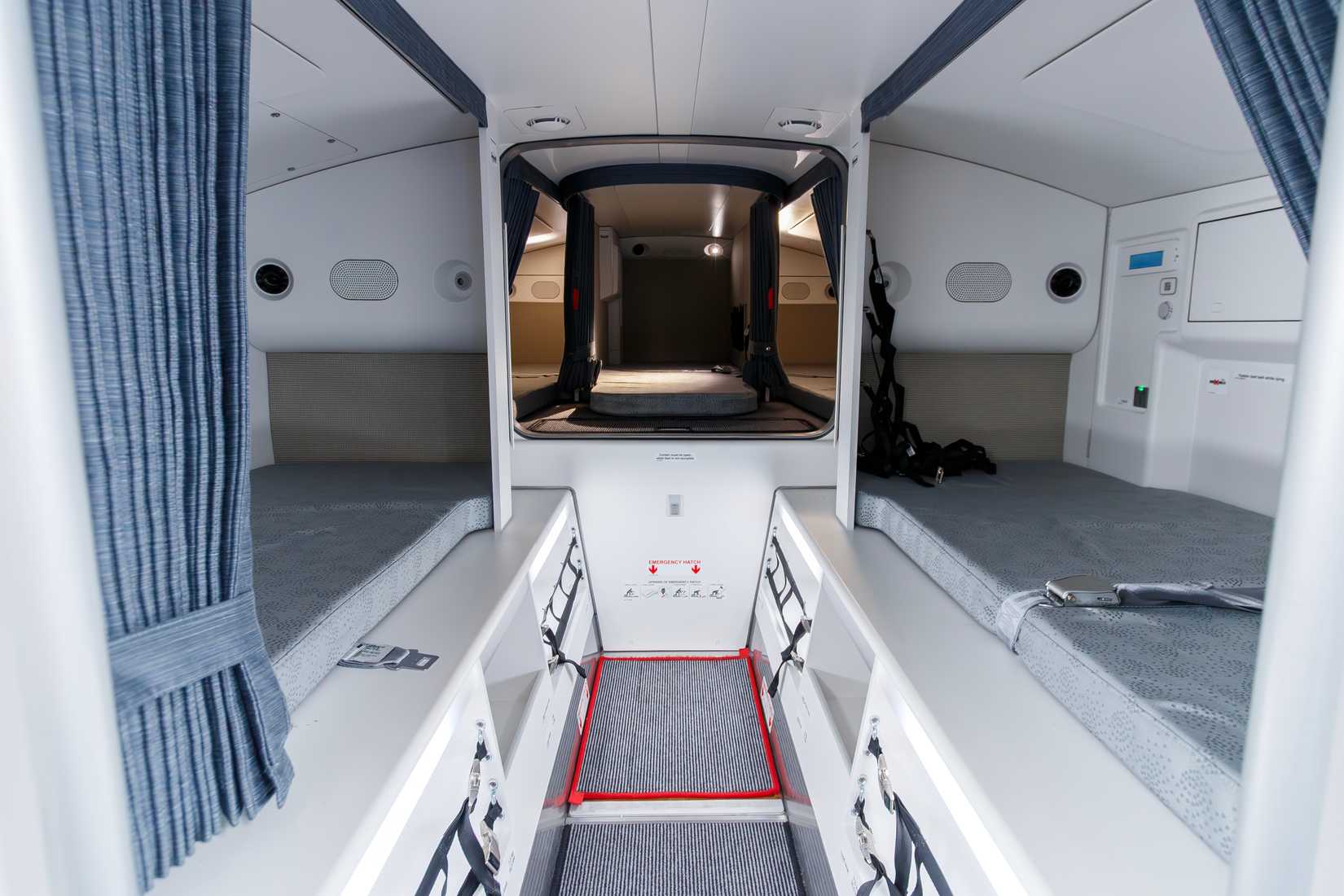
Despite the tight quarters, crew members often describe these areas as surprisingly comfortable. The lack of windows and visual connection to the cabin below creates a cocoon-like environment that makes it easier to disconnect from the rest of the plane. Some compartments even include temperature controls and subtle lighting adjustments to simulate nighttime conditions.
The hidden sleeping area is just one example of the complex design that goes into modern aircraft. Pilots also have their own dedicated rest areas, usually located close to the cockpit. These spaces are designed to provide a quiet and comfortable environment for pilots during long flights.
In addition to crew rest compartments and pilot rest areas, there are other hidden spaces on modern aircraft, such as storage compartments and maintenance access points. These areas serve critical functions and often require careful design and engineering to ensure they do not compromise the passenger experience.
The use of hidden spaces in modern aircraft highlights the importance of efficient design and functionality. By incorporating these areas into the overall layout, manufacturers can create a more complex machine that is better equipped to handle the demands of commercial aviation.
As passengers continue to prioritize their in-flight experience, it is essential to recognize the complexity and sophistication that goes into designing modern aircraft. By understanding the hidden spaces that support flight operations, we can appreciate the dedication and expertise that goes into keeping us safe in the skies.
The next time you board a plane, take a closer look at the areas above your head or near the cockpit. You may be surprised to discover just how much complexity and design go into creating the seamless passenger experience.
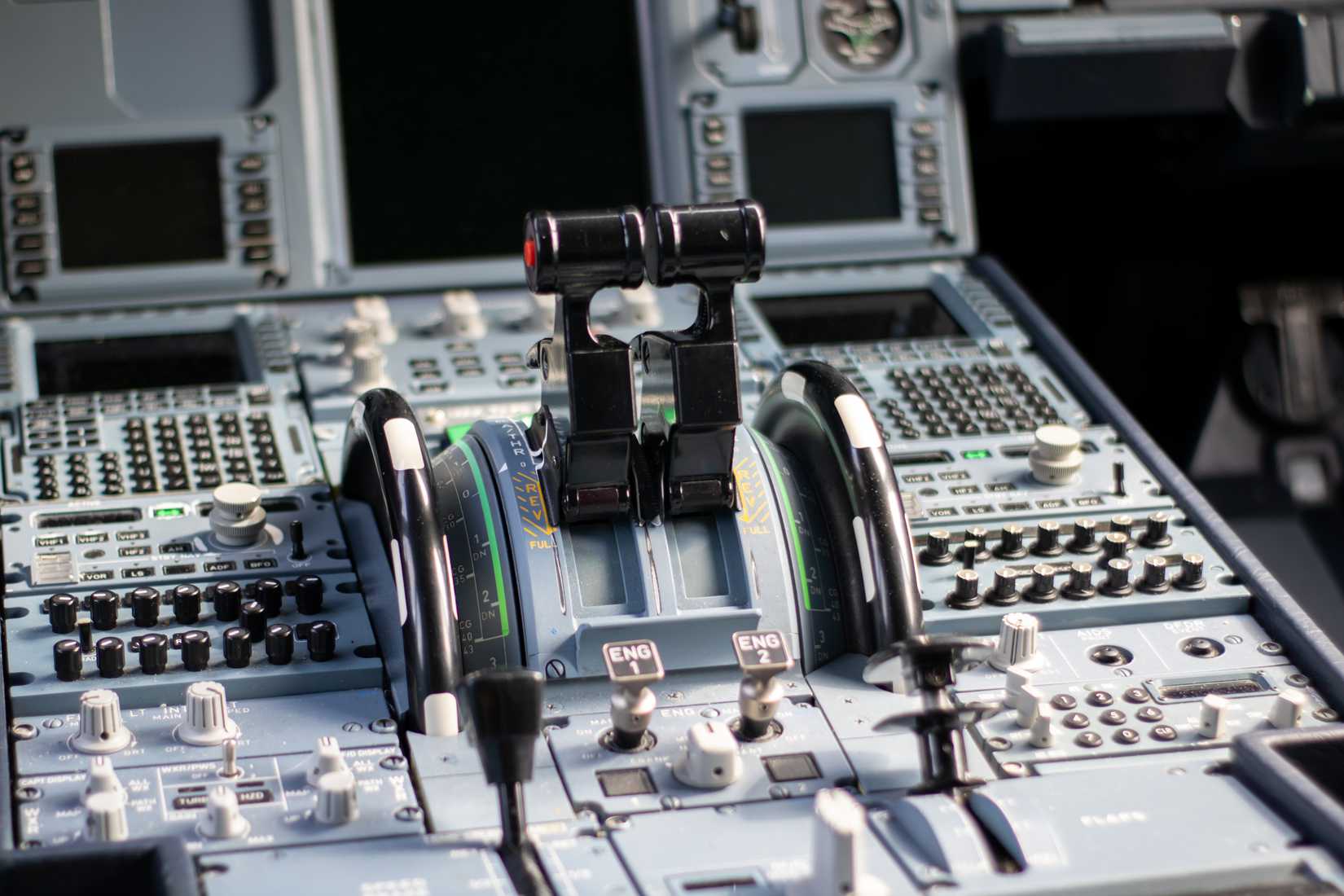
The complexity of modern aircraft is often overlooked by passengers, who are focused on their in-flight experience.