

The United States is home to several passenger carriers and cargo airlines that operate a substantial number of widebodies, but they make up a small percentage of their fleets. The country's large aviation market supports the operation of hundreds of widebodies, primarily for long-haul networks. Cargo airlines also rely heavily on widebodies for international and domestic services.
The three largest US passenger airlines - United Airlines, American Airlines, and Delta Air Lines - have comparable transatlantic networks, with American lagging behind in terms of fleet size. United excels in the Pacific region, while American leads in Latin America, collectively requiring hundreds of widebodies for their operations.
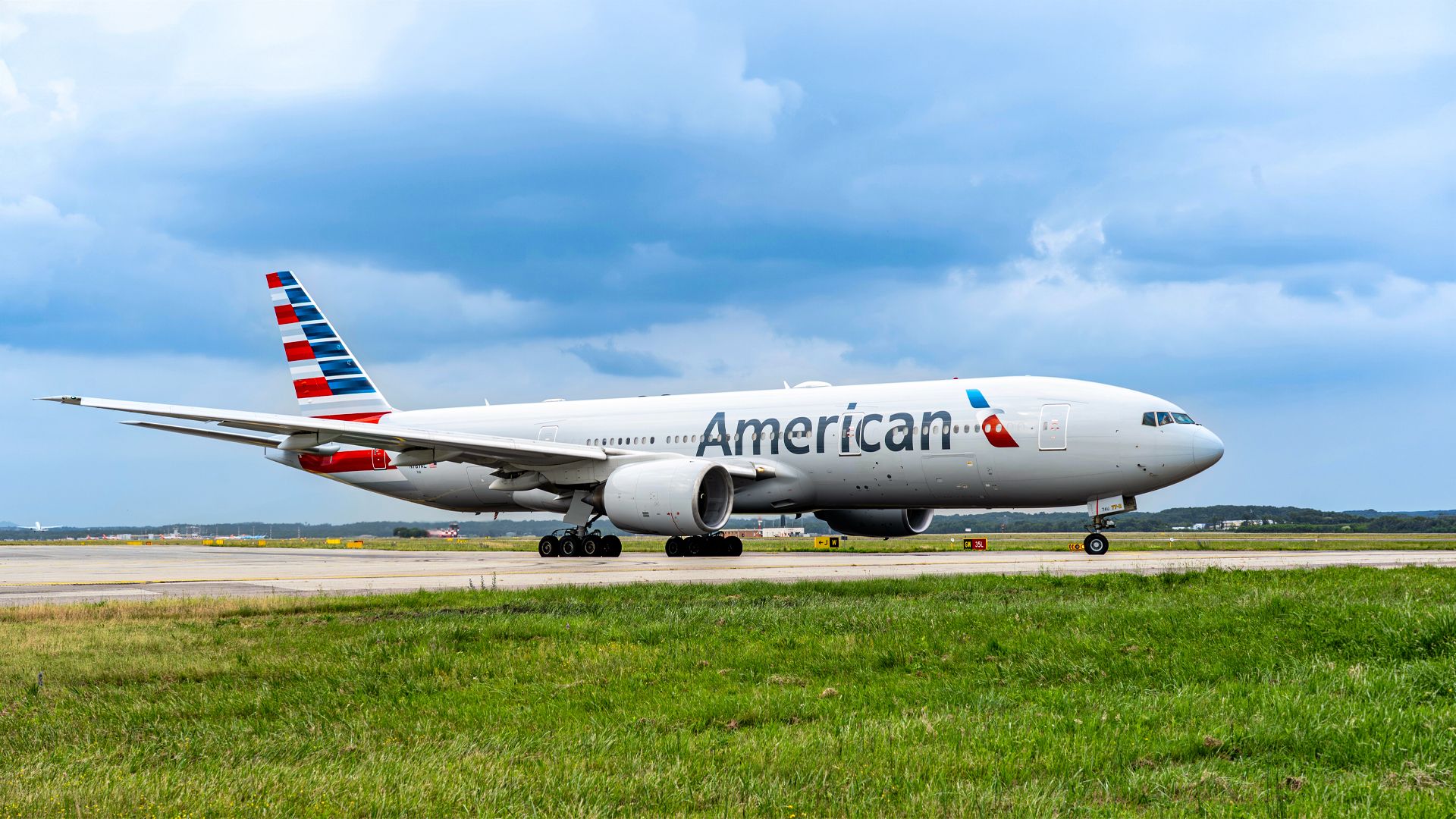
American Airlines has a significant widebody fleet, consisting exclusively of Boeing 777 and 787 aircraft. The airline's streamlined fleet allows for efficient operations and maintenance. With two aircraft types, four variants, and three engine types, American's widebody fleet is highly optimized.
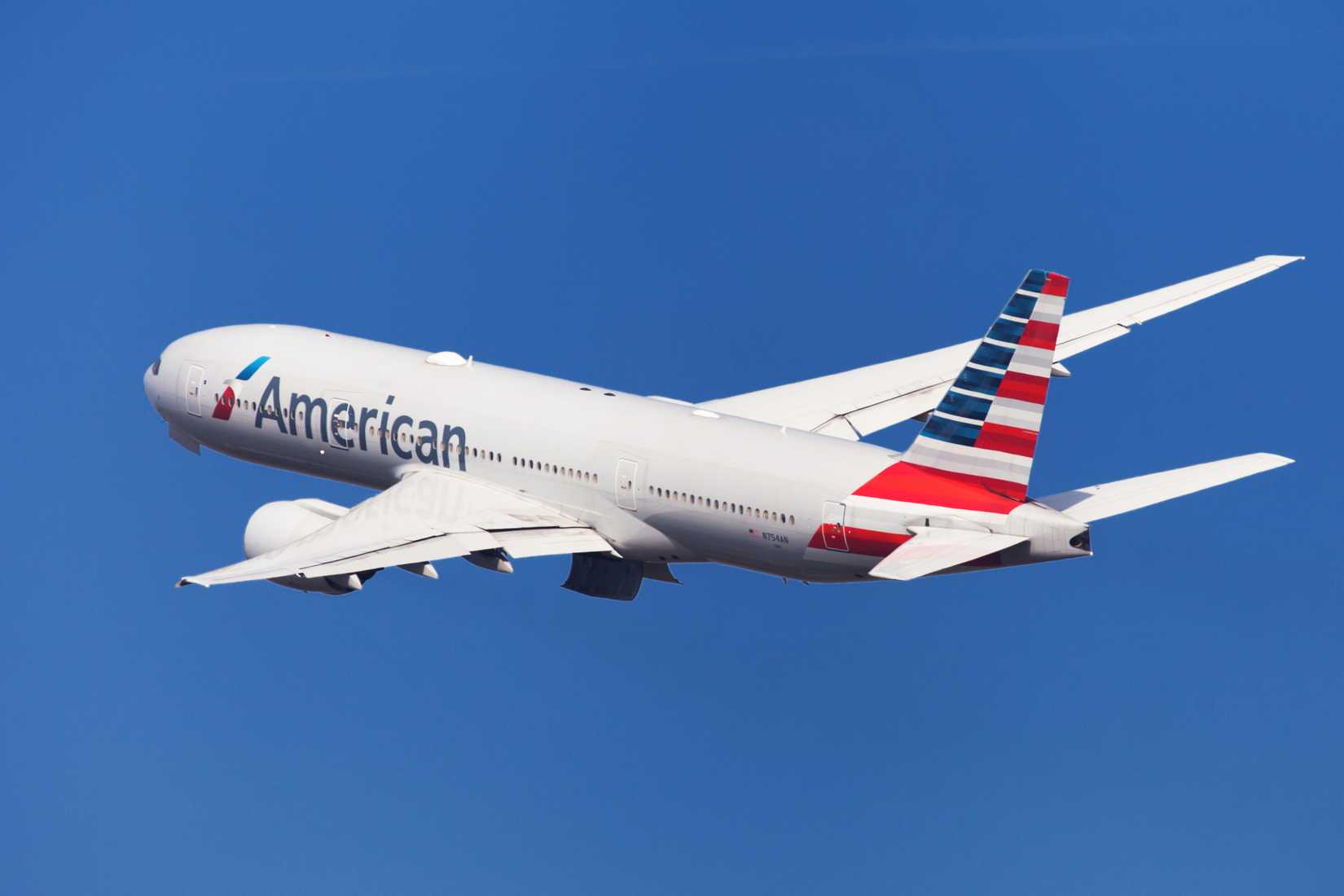
According to data from planespotters.net, American Airlines operates 67 Boeing 777s and 70 Boeing 787s, making it one of the largest widebody fleets in the world. The 777 fleet is split between Trent 800-powered aircraft, while the 787 fleet consists of both 787-8 and -9 variants.
The 777-200ER is American's largest widebody fleet, although the 787 fleet is larger than the 777 fleet. The 787-9 will eventually become American's largest widebody fleet as new orders are placed. Cabin refurbishments for the entire Boeing 777 fleet suggest that these planes will not be retired soon.
American Airlines' widebody bases are located at all major hubs except for Washington-National and Phoenix. This widespread presence enables the airline to offer efficient services across North America. The airline's investment in cabin refurbishments underscores its commitment to maintaining a modern fleet.

Delta Air Lines has the largest widebody fleet among US airlines, with 179 examples. This significant size is comparable to some of the world's largest airlines, such as Korean Air and KLM. Delta's operation of Airbus widebodies sets it apart from other US legacy carriers.
The dominance of US airlines in the widebody market has significant implications for the global aviation industry. As these airlines continue to expand their operations, they are likely to shape the future of long-haul air travel.
The dominance of US airlines in the widebody market has significant implications for the global aviation industry.