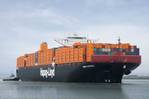



Ocean Network Express (ONE) reported a net loss of $88 million for the third quarter of FY2025, as persistent fleet growth and slower cargo movement weighed on short-term freight rates, particularly in the Asia–North America trade. The result marked a sharp year-on-year deterioration from the same period in FY2024, reflecting a softer supply-demand balance driven by continued newbuilding deliveries across the global container fleet. 58 billion in FY2024 3Q.
25 million TEU, highlighting that weaker earnings were driven more by rate pressure and cost dynamics than by volume contraction. Bunker prices provided some relief, averaging $489/mt, down 12% year-on-year, though this benefit was offset by higher ship-related and port costs and increased empty container repositioning expenses. S.
tariff hikes—as a key factor behind weaker Asia–North America volumes in 3Q. Freight rates declined quarter-on-quarter across major trades, reflecting the continued influx of new capacity. The Asia–North America eastbound freight index fell to 119, while Asia–Europe westbound dropped to 142, both down from the previous quarter.
Utilization also softened, particularly on backhaul routes. Asia–North America westbound utilization stood at 30%, while Asia–Europe eastbound averaged 36%, underscoring ongoing imbalance in directional demand. ONE maintained its full-year FY2025 profit forecast of $310 million, unchanged from previous guidance.
The carrier expects a modest recovery in cargo volumes and freight rates in 4Q, assuming continued vessel rerouting via the Cape of Good Hope and stable demand in Asia–Europe trades. Fleet expansion remains a central theme shaping ONE’s earnings environment. 09 million TEU at the end of September 2025.
The carrier’s orderbook stood at 68 vessels, including 18 new orders placed during FY2025 3Q and one vessel delivered during the quarter.
The significant increase in fleet capacity is likely to continue to pressure freight rates in the short term, as carriers like ONE face increased competition from new entrants. However, if cargo volumes begin to recover, we may see a gradual improvement in earnings.