


The Transportation Security Administration (TSA) has been at the center of a growing controversy, with thousands of non-ICE employees working unpaid since the Department of Homeland Security (DHS) remained shut down. The lack of funding for DHS has caused significant disruptions to various government agencies, including the TSA, which is responsible for screening passengers at airports across the United States. As a result, air travelers have been facing increasingly long security lines, making it difficult to navigate airport checkpoints without significant delays.
The situation has become particularly challenging since many TSA employees are not receiving paychecks due to the ongoing shutdown, leading them to call in sick and further exacerbating the problem. The absence of these workers results in extended wait times for passengers, which can be frustrating and inconvenient. It is essential that a solution is found soon to mitigate the impact on air travelers.
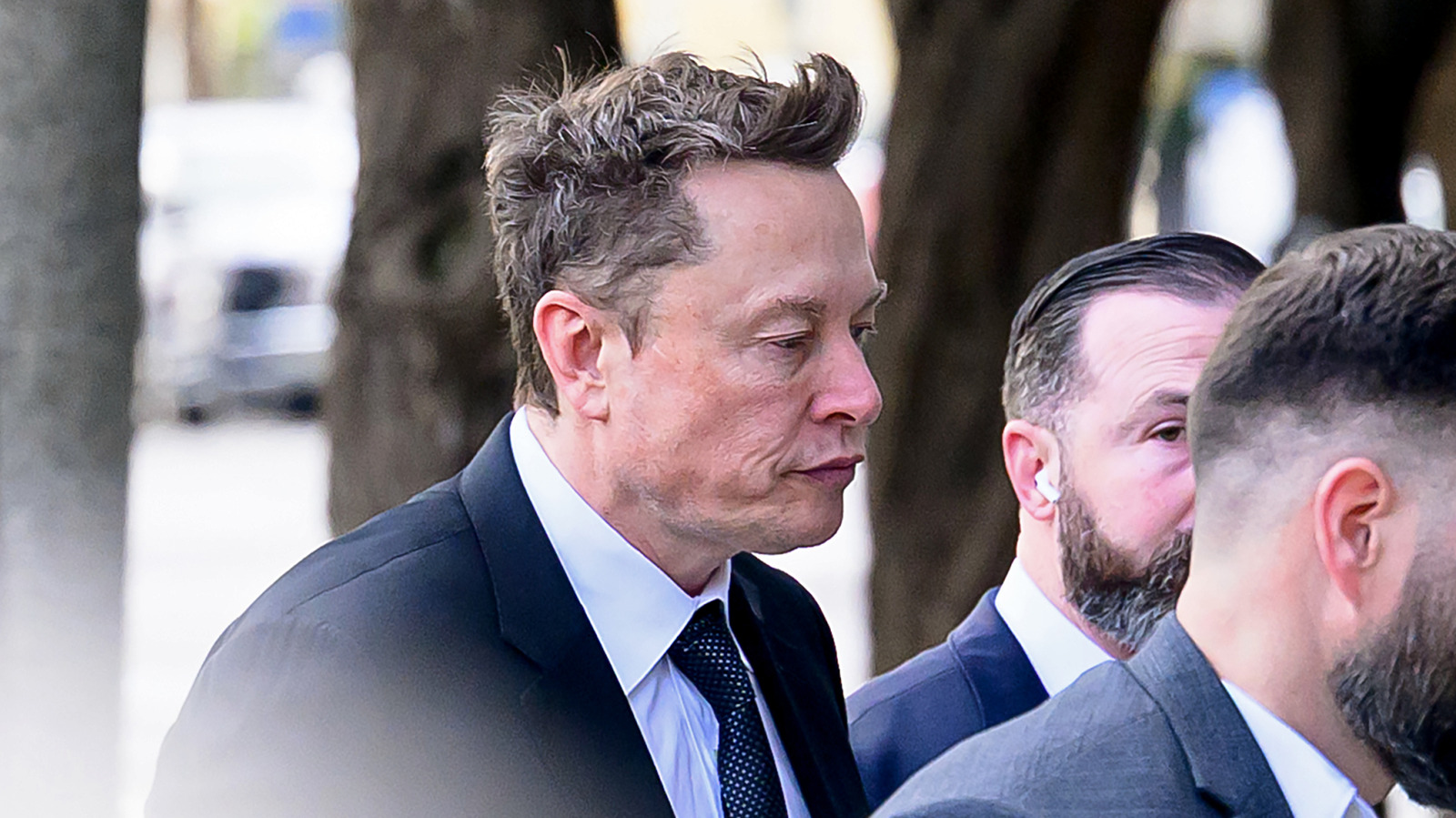
In a surprising turn of events, Elon Musk recently offered to pay TSA agents while DHS remains shut down, citing his willingness to support the agency's employees during this challenging time. According to reports, the White House seriously considered this offer before ultimately rejecting it. This decision has sparked significant interest and debate among experts and observers.
The rejection of Elon Musk's offer raises questions about the motivations behind President Trump's actions. While some may speculate that the president is deliberately choosing not to accept the offer in order to hinder the opposition, others argue that the White House made a pragmatic decision based on legal considerations. The issue at hand revolves around the potential for private citizens to pay the salaries of executive branch employees, which is prohibited under 18 U.S.C. § 209.
The law prohibits private individuals from paying the salaries of executive branch employees, as it could create conflicts of interest and undermine the authority of government agencies. In essence, this means that even if Elon Musk were willing to donate funds to support the TSA, the White House would not be able to accept them without risking potential legal challenges.
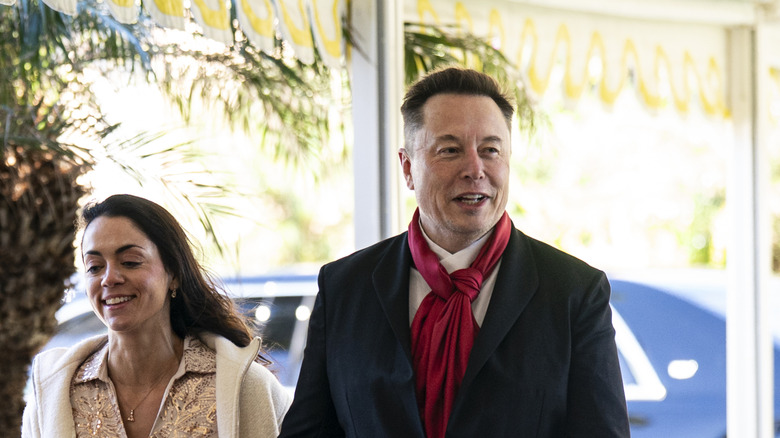
It is worth noting that the Trump administration reportedly considered an alternative proposal involving a $250 million donation from Elon Musk to the general fund, which would have allowed the agency to sidestep some of the legal concerns surrounding private funding. However, this plan was ultimately rejected in favor of taking a more cautious approach.
The White House has also expressed confidence that Senate Democrats will eventually cave and end the shutdown, which could bring an end to the current crisis affecting the TSA. While this outcome may seem inevitable, it is essential to recognize that the situation remains fluid and subject to change.
This incident highlights the complexities and challenges involved in navigating government funding and policy decisions. As the situation continues to unfold, it will be crucial for policymakers to prioritize finding a solution that balances competing interests and addresses the needs of various stakeholders.